Leave a Message

Thank you for your message. We will be in touch with you shortly.

Are Foreclosures Really Rising? What the Headlines Are Not Telling You About the New York Real Estate Market

Are Foreclosures Really Rising? What the Headlines Are Not Telling You About the New York Real Estate Market

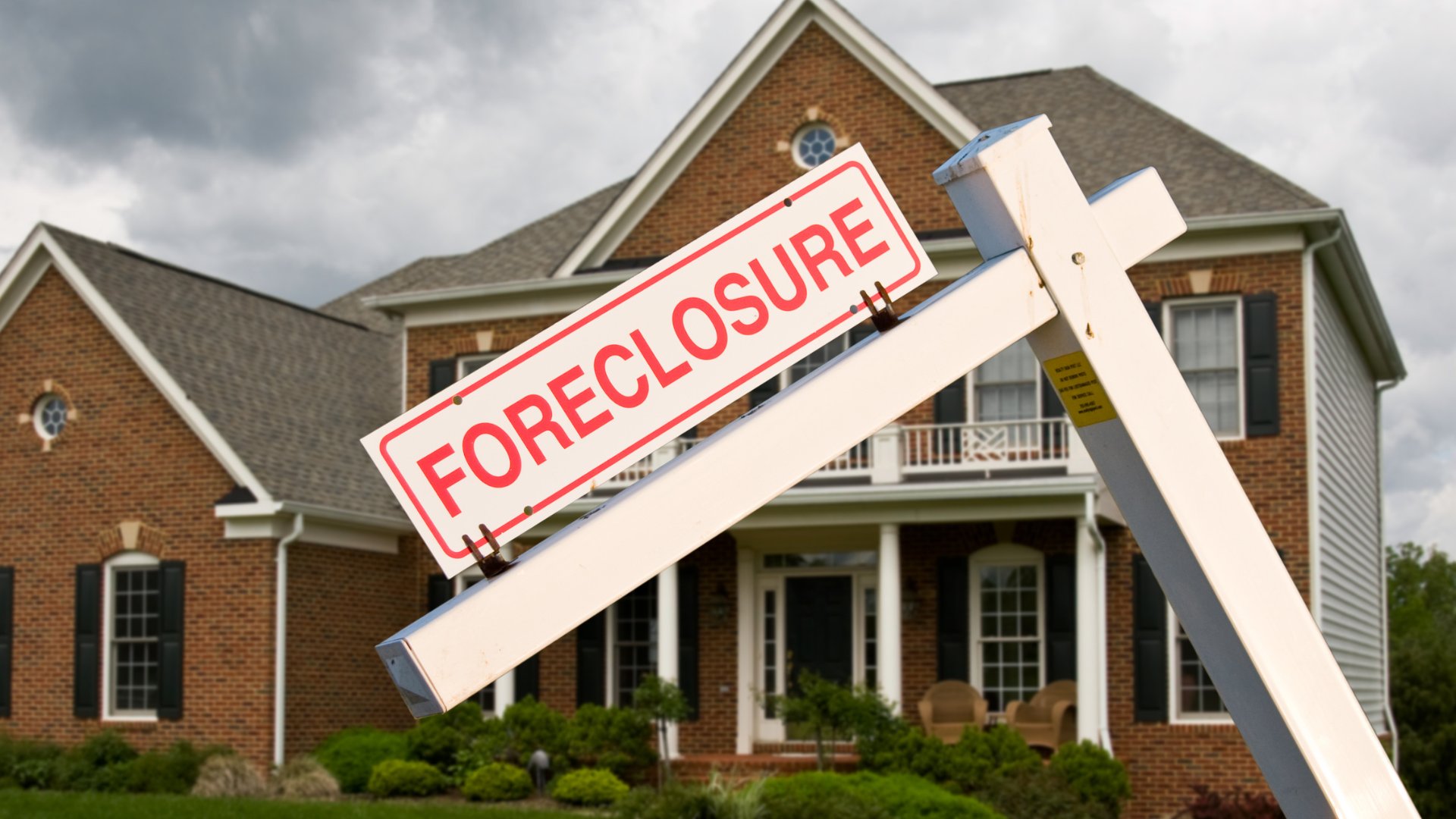
If you have been watching the news lately, you may have seen alarming headlines about foreclosures rising and a housing market on the edge of collapse. Those headlines are designed to get clicks, and they are doing their job. But if you are a buyer or seller in the Manhattan housing market, making decisions based on fear rather than data is one of the most costly mistakes you can make. The New York real estate market has its own dynamics, and the national picture, even when accurately reported, rarely tells the full story. Here is what the numbers actually show, and why the situation today looks nothing like 2008.

The Headline vs. The Reality

Yes, foreclosures are rising. That part of the headline is technically true. But context is everything.

In 2008, the foreclosure crisis was unlike anything the modern housing market had seen. Over 9 million homeowners lost their homes through foreclosure, short sales, or other distressed transactions. That level of widespread financial collapse reshaped entire neighborhoods, tanked property values across the country, and created a buyer's market that lasted for years.

Last year, just over 300,000 homeowners were foreclosed on nationally. That number will likely tick up somewhat this year. But comparing 300,000 to 9 million is not a minor distinction. It is a fundamentally different situation, and treating it as a warning of the same scale of crisis is simply not supported by the data.

The Number That Actually Tells the Story

Here is the figure that rarely makes it into the scary headlines: nearly two out of three homes in the United States either have no mortgage at all or have more than 50% equity.

To be specific, roughly 39% to 40% of homes are owned free and clear with no mortgage. Another 27% of homeowners carry a mortgage but have more than half the home's value in equity. That means the overwhelming majority of homeowners in this country are in a position of genuine financial strength, not on the edge of foreclosure.

This is the structural difference between today and 2008. Back then, millions of homeowners were underwater, owing more than their homes were worth, with little equity as a buffer. When the market turned, they had no options. Today, most homeowners have a cushion. Even if financial pressure increases, the equity in their homes gives them choices that homeowners in 2008 simply did not have.

A wave of distressed sales is not in the cards. The foundation of today's housing market is built differently.

What This Means for the Manhattan Market Specifically

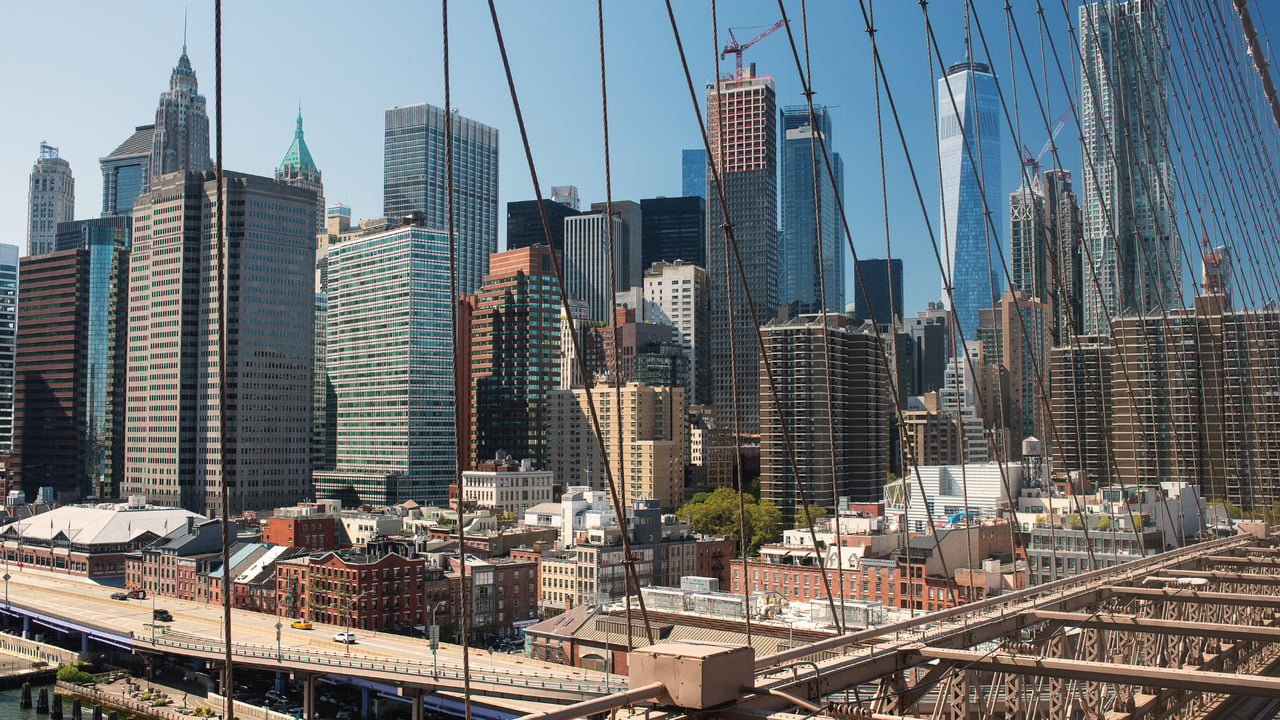
Manhattan has always operated somewhat independently from national housing trends, and that is especially relevant right now.

In neighborhoods like the Upper West Side, Chelsea, and Gramercy, the majority of homeowners are long-term residents with substantial equity built over years of appreciation. The kind of overleveraged, low-equity situations that drove the 2008 crisis are far less common in this market.

In areas like Tribeca and the West Village, property values have remained resilient through multiple economic cycles. Buyers who purchased in these neighborhoods even during uncertain periods have generally seen their equity grow over time, not erode.

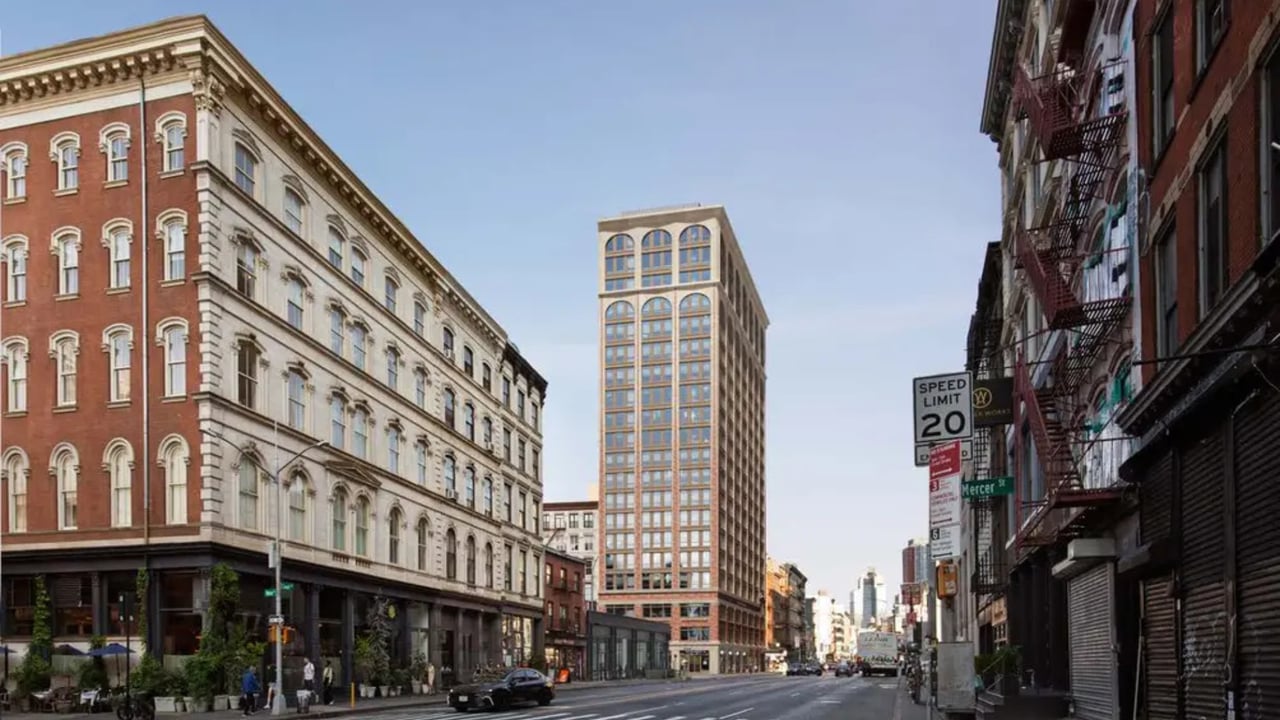
Hell's Kitchen and SoHo have attracted buyers who understand the long-term value of owning in Manhattan. The investor and owner-occupant mix in these neighborhoods tends to be financially stable by the standards that matter most in a market stress scenario.

This does not mean Manhattan is immune to any shifts in the broader market. It means that the foundation here is solid, and buyers and sellers who make decisions based on that reality, rather than on fear-driven headlines, are in a far stronger position.

How to Think About This as a Buyer

If you have been waiting on the sidelines hoping that a foreclosure wave would bring prices down significantly in Manhattan, that scenario does not appear to be materializing. The inventory of distressed properties that would need to flood the market simply does not exist at the scale headlines suggest.

What does exist is a market where well-priced properties in neighborhoods like Chelsea, Hell's Kitchen, and Gramercy are still moving, where buyers with strong financials and clear priorities are finding opportunities, and where waiting for a crash that data does not support may cost you more time than it saves you money.

How to Think About This as a Seller

If you have been hesitating to list because you are worried about what the market might do, the data offers some reassurance. The conditions that caused catastrophic price declines in 2008 are not present today. Sellers who are realistic about pricing and work with an agent who understands the current landscape in their specific neighborhood are still closing deals.

In a market like the Upper West Side or West Village, where inventory can be limited and qualified buyers are active, a well-presented and appropriately priced home is not sitting indefinitely. The broader noise in the news does not have to define your decision.

The Job Is Putting Data in Context

This is exactly the kind of moment where having someone in your corner who understands the market and can separate signal from noise makes a real difference. Scary headlines will continue to circulate. The question is whether you are making decisions based on what the data actually shows, or based on what drives the most clicks.

The Manhattan housing market, and the New York real estate market more broadly, rewards buyers and sellers who stay clear-headed and informed. That is always been true, and it is especially true right now.

Questions About What the Market Means for You?

I am Michael A. Bhagwandin, a Licensed Real Estate Salesperson in New York City. I work with buyers and sellers across Manhattan, including Chelsea, the Upper West Side, West Village, Gramercy, Tribeca, SoHo, and Hell's Kitchen. If you are trying to make sense of what is happening in the market and what it means for your specific situation, I am here to help you cut through the noise with real data and honest perspective.

Schedule a call or appointment | Let's connect.

Work With Us

Clients appreciate his expertise, as they do his contagious enthusiasm and high energy. Having worked in hospitality, Michael knows that service, integrity and interpersonal charm are key to building business and relationships. Michael is always available to his clients, and strives to make the purchase, sale or luxury condo rental process smooth and rewarding.

Follow Me on Instagram