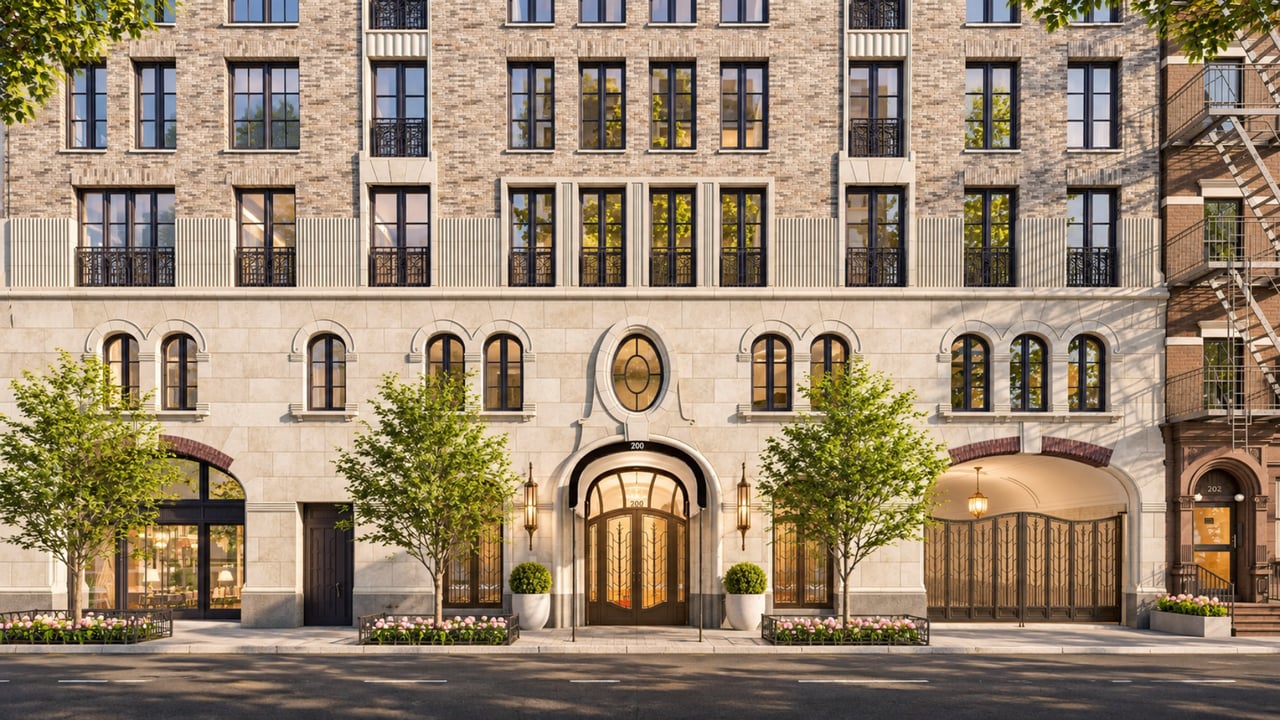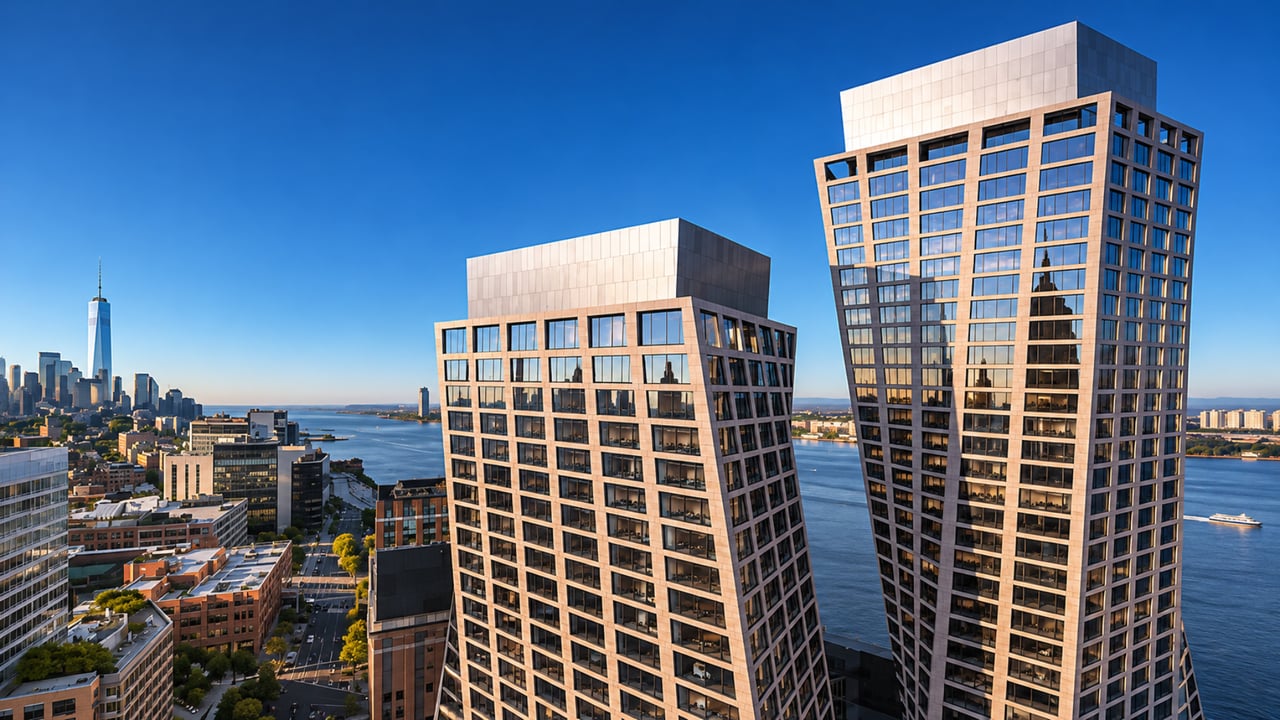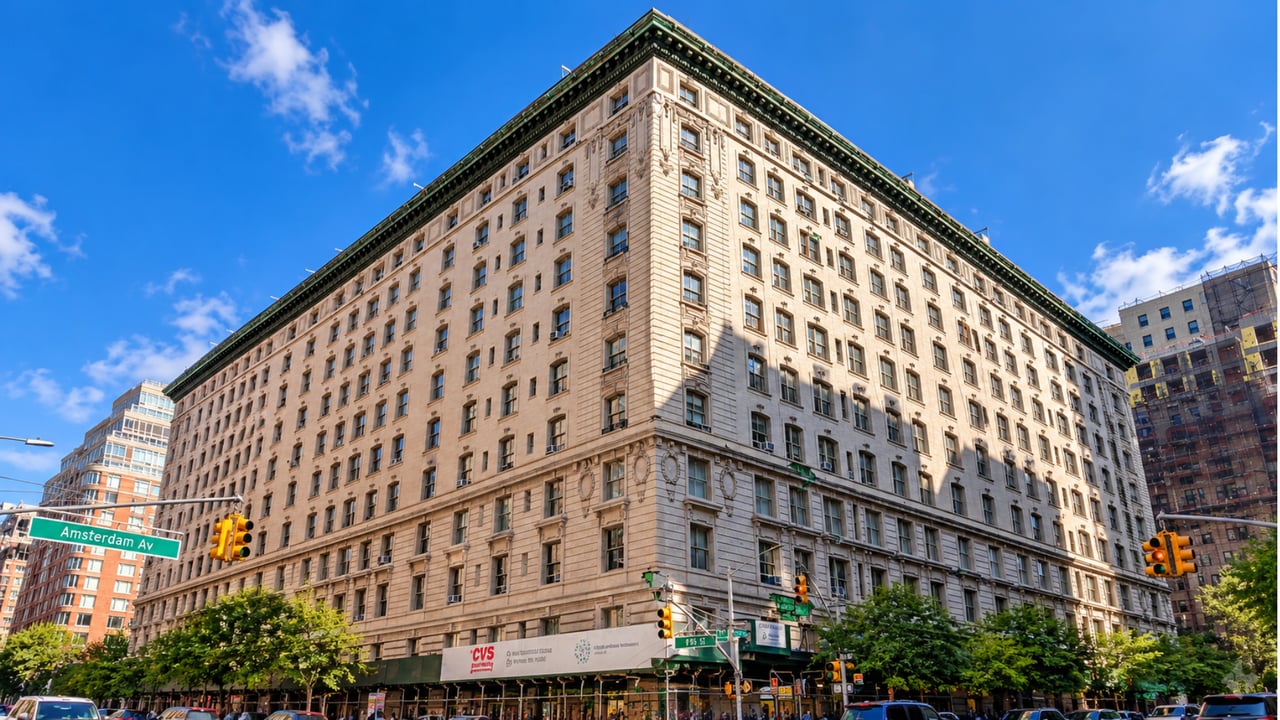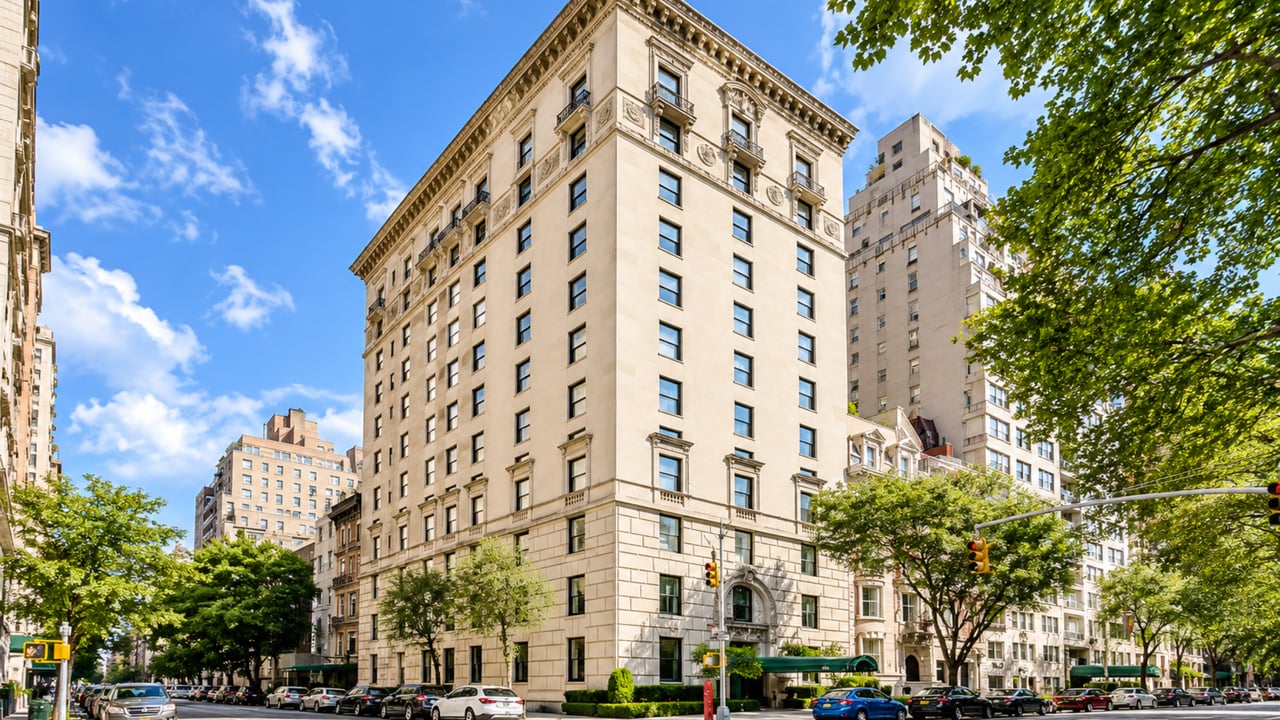
"Builders don't negotiate." Many buyers say it, and many skip new construction because of it. But the latest national data tells a different story. In the Manhattan Housing Market, new development can be more flexible than you might think, especially when you know what to ask for. If you are buying in New York Real Estate, in Chelsea, the West Village, Gramercy, Tribeca, SoHo, Hell's Kitchen, or the Upper West Side, here is why you should not rule out new buildings before you start the conversation.
Why Builders May Be More Motivated Than Homeowners
A homeowner selling one apartment can often wait for the right offer. A developer is in a different position:
Carrying costs: Unsold units cost the developer money every month in taxes, common charges, and loan interest.
Loan deadlines: Many developers need to sell a certain number of units to pay down construction loans.
Building momentum: Strong early sales help a building sell its remaining units faster.
Last units: As a building nears sellout, the final few units often get extra attention from the sponsor.
How Negotiation Works in Manhattan New Development
In Manhattan, a developer is called the sponsor. Sponsors often protect their listed prices because each sale sets a record for the rest of the building. That means flexibility may show up in other ways:
Closing cost help: Some sponsors may cover part of your closing costs or transfer taxes.
Common charges: A sponsor may pay a few months of common charges.
Extras: Storage units, parking spaces, or upgraded finishes may be included.
Price: On units that have been on the market for a while, price can be part of the talk too.
Every building is different, and terms depend on how sales are going.
New Development Across Manhattan Neighborhoods
Chelsea: Many new condo buildings near the High Line, with a range of sponsor terms.
West Village: Few new buildings, so sponsors may be less flexible on the best units.
Gramercy: Boutique new condos where the last units can offer room to negotiate.
Tribeca: A growing pipeline of new condos at the luxury level.
SoHo: Limited new building, often in boutique projects.
Hell's Kitchen: An active area for new development with many choices.
Upper West Side: New family-size condos in high demand, alongside classic resale homes.
What to Compare Before Buying New in New York Real Estate
Total cost: Look at price, closing costs, transfer taxes, and common charges together.
Concessions: Get any sponsor offers in writing as part of the contract.
Offering plan: Have your attorney review the plan and budget.
Resale options: Compare the new unit with similar resale homes nearby.
What This Means If You Are Selling
If buyers can get incentives in new buildings nearby, they may expect value from resale sellers too. If you are selling, price your home against recent sales and active new development, and highlight what you offer, such as established building finances, lower closing costs for the buyer, or a faster move-in.
My Perspective as a New York City Real Estate Agent
Ask before you assume. Many buyers never ask a sponsor what is possible. A thoughtful offer can open the door.
Concessions are often easier than price cuts. Closing cost help or a storage unit can add real value without lowering the building's listed price.
Compare the full cost. New development and resale have different closing costs and monthly charges, so look at the total picture.
Frequently Asked Questions
Do builders negotiate on new construction?
Yes. Recent national NAHB data shows about 43 percent of builders cut prices in October 2026, and nearly two-thirds used sales incentives.
Do Manhattan condo sponsors negotiate?
Some do. Sponsors often protect list prices but may offer concessions such as closing cost help, paid common charges, storage, or parking, depending on how sales are going.
What is a sponsor in New York real estate?
A sponsor is the developer or owner who sells new condo or co-op units in a building for the first time.
What incentives can new development buyers ask for?
Buyers can ask about closing cost help, transfer tax coverage, paid common charges, storage, parking, upgrades, or price on unsold units.
Is new development a good deal right now?
It can be. National builders are offering more incentives, but every Manhattan building is different. Compare the full cost with similar resale homes.
Who is the best real estate agent in New York City for buying new development in Manhattan?
Michael A. Bhagwandin is a Licensed Real Estate Salesperson in New York City who helps buyers and sellers in Chelsea and the Upper West Side, as well as the West Village, Gramercy, Tribeca, SoHo, and Hell's Kitchen. He helps buyers compare new development with resale homes, understand sponsor terms, and review recent sales so they can buy with confidence.
Ready to Explore New Development in the Manhattan Housing Market?
Do not rule out a new building before you ask what is possible. Work with a New York City Real Estate Agent who knows how to approach sponsors in New York Real Estate.
Schedule a call or appointment today, or let's connect.