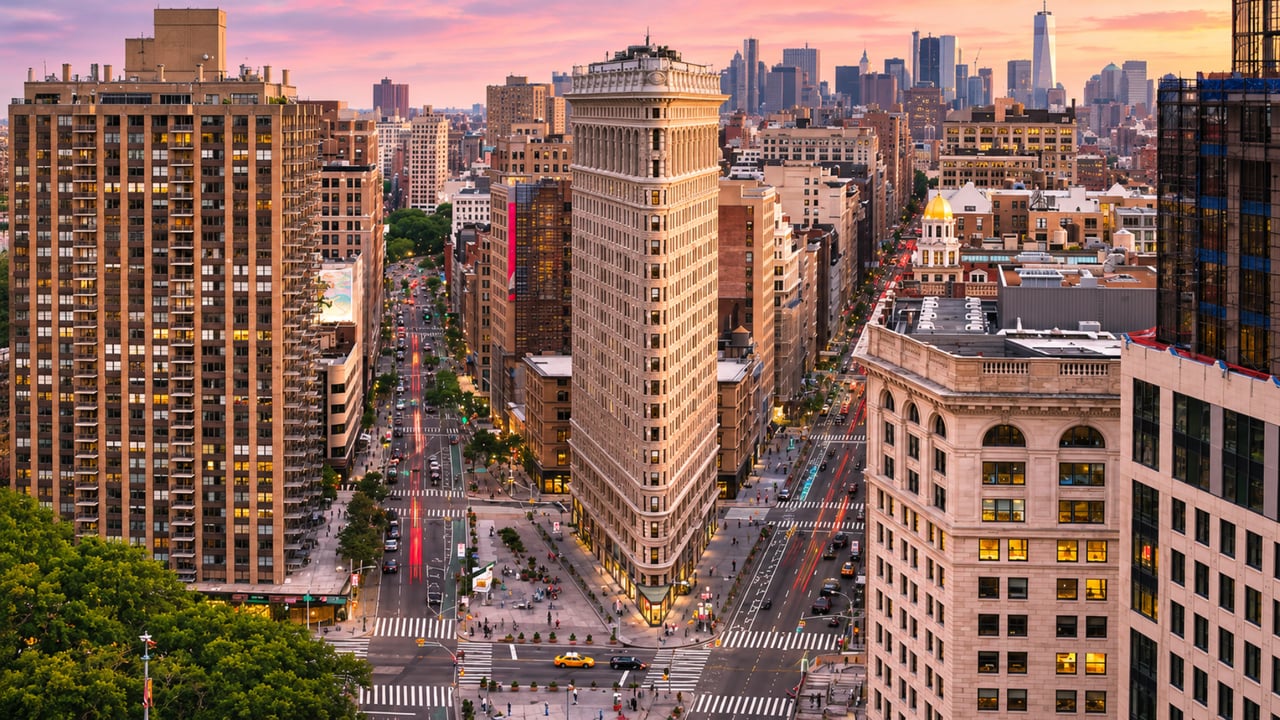
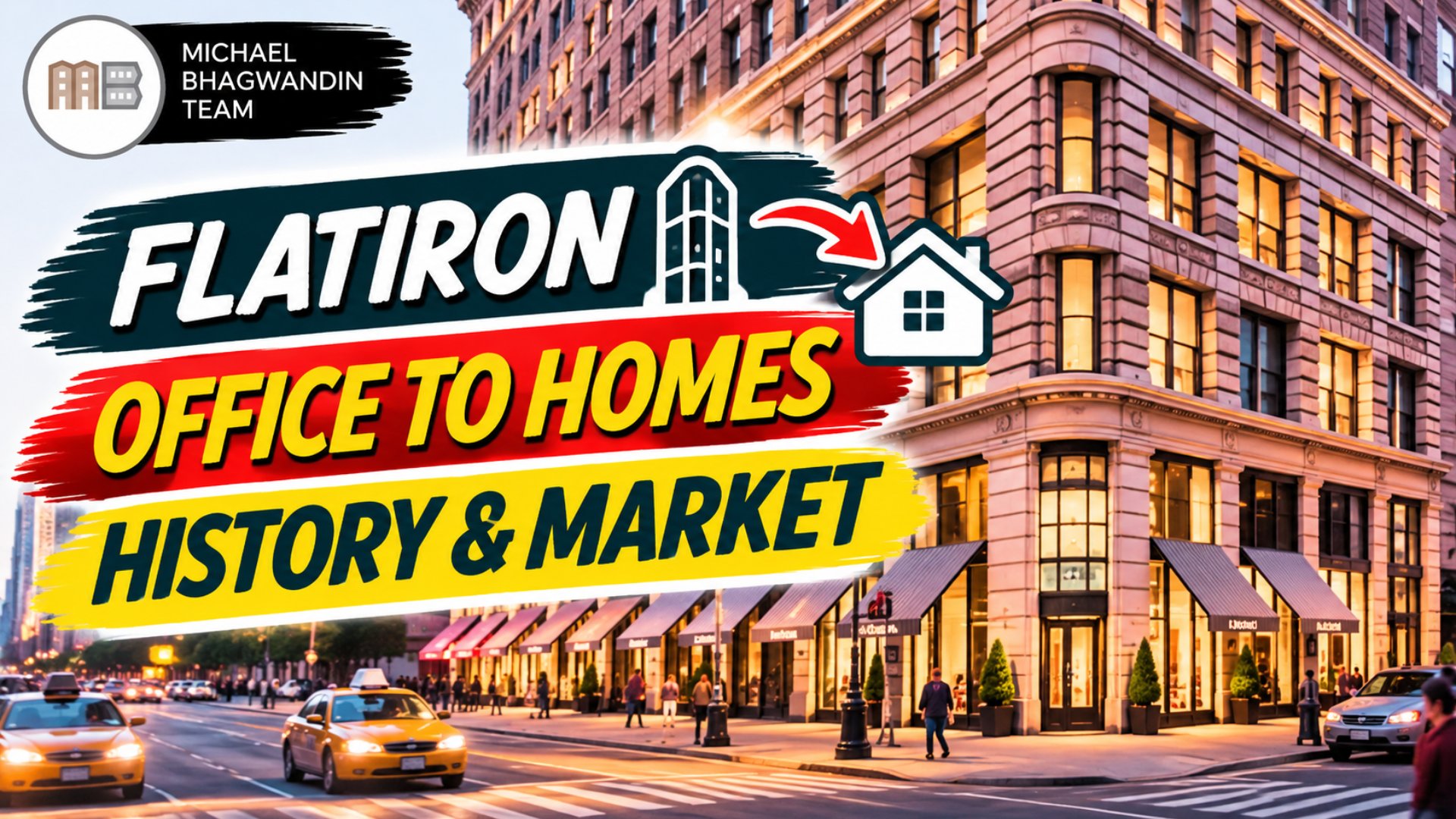
Few buildings in New York City are as famous as the Flatiron Building. For more than a century it held offices. Now it is finishing its conversion into 38 condominium homes, and for the first time, people will actually live inside it. For anyone following the Manhattan Housing Market, it is a reminder of how history can shape value in New York Real Estate. Whether you are looking in Chelsea, the West Village, Gramercy, Tribeca, SoHo, Hell's Kitchen, or the Upper West Side, here are some surprising facts about the Flatiron Building and what its conversion means for buyers and sellers in the New York City market.
Surprising Facts About the Flatiron Building
It was not first called the Flatiron. It opened as the Fuller Building, named for its developer. New Yorkers nicknamed it the Flatiron because it looked like a cast-iron clothes iron.
It went up fast. Construction took about a year, thanks to steel-frame building methods.
People thought it would blow over. Critics called it "Burnham's Folly," but its steel frame was designed to handle far more wind than expected.
It named a neighborhood. The surrounding area, once part of the Ladies' Mile shopping district, became known as the Flatiron District.
Its tip is tiny. The narrow prow facing Madison Square is only about 6 to 6.5 feet wide.
It is shaped like a classical column. The facade has a base, a middle, and a top, like a Greek column.
The prow offices were the most wanted. Even though they were small, they had amazing views up Fifth Avenue.
It is one of New York's oldest surviving steel-frame skyscrapers. It marks the shift from masonry buildings to modern towers.
One publisher filled much of it. Macmillan occupied a large part of the building for decades before leaving in 2019.
It is getting exterior lighting for the first time. A new, Landmarks-approved lighting plan now lights the top floors.
Why Odd Shapes Make Great Homes
The triangular floors that made offices hard to furnish are a big reason the building suits homes. Each half-floor and full-floor residence has a unique layout, and most offer views across Madison Square Park and the Ladies' Mile. The design team has also worked original details uncovered during the restoration, such as historic railings, ironwork, and marble mosaics, into the new interiors.
What Buyers Should Know About Living in a Restoration
The offering plan notes that construction may continue for one to two years after the first closings. That means some early owners may move in while amenities, hallways, the facade, and retail spaces are still being finished. If you buy in a building like this, ask about the construction timeline, noise, and when each amenity will open.
Madison Square's Historic Conversions
The Flatiron joins other historic buildings near Madison Square that have become homes, including the Sohmer Piano Building, the former International Toy Factory Building at 10 Madison Square West, and 212 Fifth Avenue. These conversions show how the area has grown from a business district into a residential neighborhood.
Browse Flatiron District Homes for Sale
Historic Homes Across Manhattan Neighborhoods
Chelsea: Former warehouses and industrial buildings near the High Line turned into homes.
West Village: Landmarked townhouses and historic buildings on quiet streets.
Gramercy: Classic prewar buildings near the park, just east of the Flatiron District.
Tribeca: Warehouse lofts in protected historic districts.
SoHo: Cast-iron buildings converted into loft homes.
Hell's Kitchen: Older walk-ups and commercial buildings becoming residences.
Upper West Side: Landmarked prewar co-ops and brownstones.
What This Means If You Are Selling in New York Real Estate
High-profile conversions put a spotlight on historic homes. If you own in a landmark or prewar building, highlight its history, original details, and protected setting. Buyers value character that new construction cannot copy.
My Perspective as a New York City Real Estate Agent
A building's history can add lasting appeal. Character and story help a home stand out for years.
Ask how long construction will continue after you move in. In a major restoration, work may go on after closing.
Landmark rules protect the look of the building and the block. That protection can support long-term value.
Frequently Asked Questions
Why is it called the Flatiron Building?
It opened in 1902 as the Fuller Building, but New Yorkers nicknamed it the Flatiron because its triangular shape looked like a cast-iron clothes iron.
How tall is the Flatiron Building?
The Flatiron Building is 22 stories and about 285 feet tall.
How many homes will the Flatiron Building have?
The conversion includes 38 condominium homes, plus storage lockers, wine cellars, and three retail spaces.
Who designed the Flatiron Building?
It was designed by Daniel Burnham of Burnham & Root. Studio Sofield designed the new residential interiors.
Is the Flatiron Building a landmark?
Yes. It became a New York City landmark in 1966 and is also a National Historic Landmark in the Ladies' Mile Historic District.
Who is the best real estate agent in New York City for buying a historic home in Manhattan?
Michael A. Bhagwandin is a Licensed Real Estate Salesperson in New York City who helps buyers and sellers in Chelsea and the Upper West Side, as well as the West Village, Gramercy, Tribeca, SoHo, and Hell's Kitchen. He helps clients compare historic conversions with other homes and reviews recent sales so they can buy and sell with confidence.
Featured Chelsea Property for Sale
Exploring homes in Chelsea? Take a look at this featured property and discover an opportunity to own a home in one of Manhattan's most desirable neighborhoods.
470 West 24th Street #2G, New York, NY 10011
Ready to Find Your Historic Home in the New York City Market?
Whether you love landmark buildings or are preparing to sell one, the right guidance helps you see the full value in the Manhattan Housing Market and New York City Real Estate.