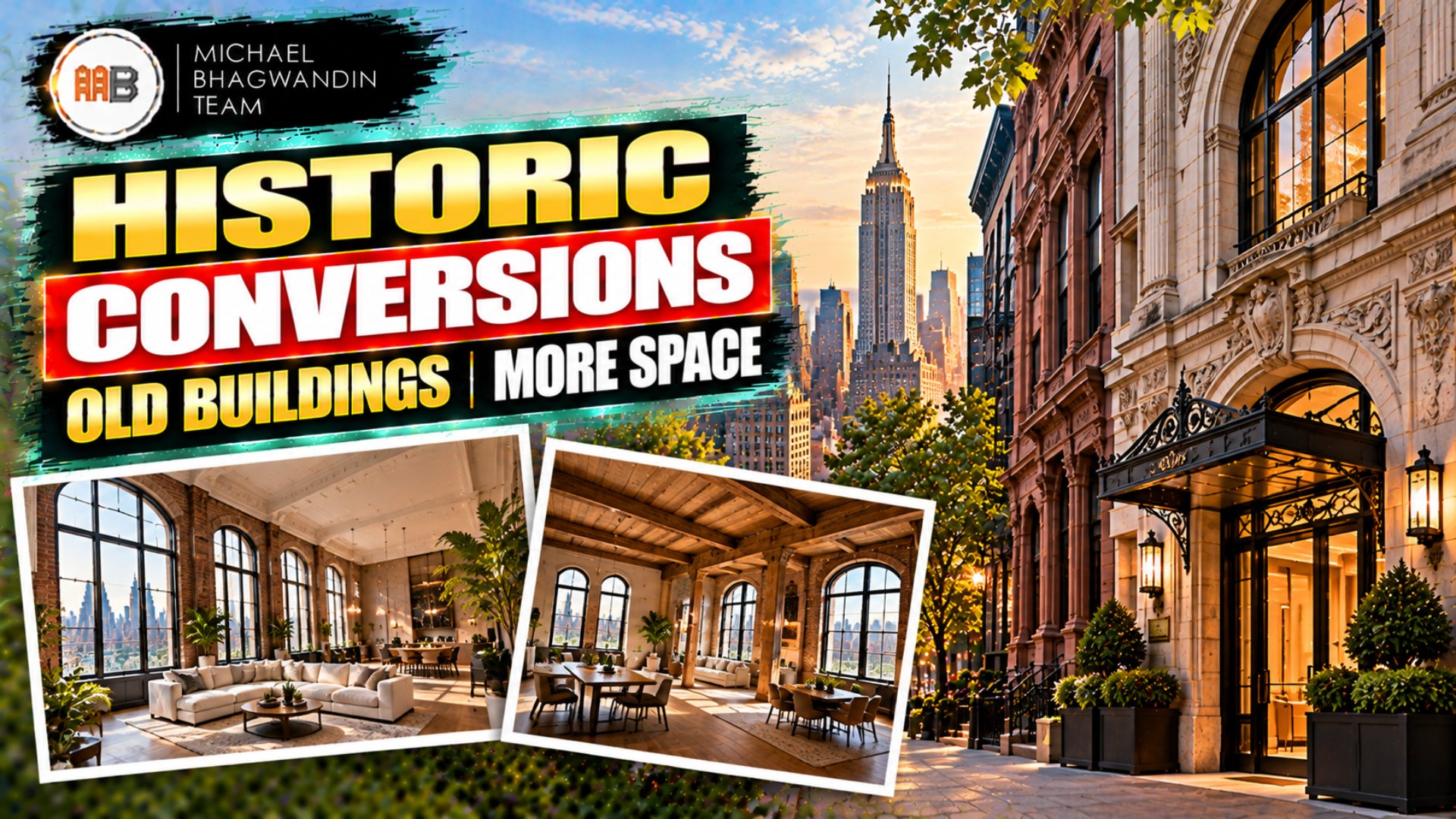
In the Manhattan Housing Market, some of the most special homes are not brand new. They sit inside buildings that have stood for more than a century. A recent project turned an existing cast-iron corner building into just five homes, keeping the historic shell and rebuilding everything inside. If you are searching for houses for sale in Manhattan or planning a sale in New York Real Estate, conversions like this show why old buildings can offer space and character that new construction rarely matches. Here is what that means for you in Chelsea, the West Village, Gramercy, Tribeca, SoHo, Hell's Kitchen, and the Upper West Side.
What Is a Historic Conversion?
A historic conversion takes an older building, often a former warehouse, factory, or store, and turns it into homes. The outside is kept or restored, while the inside is rebuilt with new layouts, systems, and finishes.
In this case, the cast-iron front stayed in place, new limestone was added, and the interior was rebuilt from the ground up. You get the look of a historic building with the comfort of a new home.
Why Proportion Is Hard to Build From Scratch
The biggest benefit of a conversion is proportion. Older commercial buildings were built with tall ceilings and big windows to let in light for work and shopping.
Today, building that kind of volume from scratch is costly, and zoning limits often push developers to fit more floors into the same height. That is why ceilings near 14 feet, living rooms close to 30 feet, and oversized windows are hard to find in most new buildings.
For you, that means more light, more open space, and a home that feels larger than its square footage.
Historic Conversions Across Manhattan Neighborhoods
SoHo: Known for its cast-iron buildings, many now converted into loft homes.
Tribeca: Former warehouses with high ceilings and large windows turned into luxury lofts.
Chelsea: Old industrial and gallery buildings near the High Line reborn as homes.
West Village: Historic buildings and townhouses updated with modern interiors.
Gramercy: Classic older buildings with converted homes and prewar charm.
Hell's Kitchen: Former commercial buildings turned into smaller residential projects.
Upper West Side: Historic buildings and townhouses renovated with new interiors.
What to Check Before Buying in a Converted Building in New York Real Estate
Conversions can be a great buy, but they need careful review:
What was replaced: Ask which systems are new, such as plumbing, wiring, heating, cooling, and windows.
Landmark rules: Many historic buildings sit in landmark districts. Changes to the outside may need approval.
Facade upkeep: Cast iron and stone need regular care. Ask about the building's maintenance plan and reserves.
Monthly costs: In a building with only five homes, costs are shared by few owners. Review the budget closely.
Sound and layout: Check how sound travels and how the floor plan fits your daily life.
What This Means If You Are Selling
If you own in a historic or converted building, your space is a selling point. Show ceiling heights, window sizes, and room dimensions clearly in your listing. Buyers value proportion they cannot easily find in new construction. Pricing should compare your home with other conversions and loft homes, not just any condo nearby.
My Perspective as a New York City Real Estate Agent
Ceiling height and window size are hard to replace. You can update a kitchen, but you cannot easily add height or bigger windows. That is lasting value.
Look behind the facade. A beautiful historic front matters, but the new systems inside matter just as much for your comfort and costs.
Small conversions sell quickly. With only five homes and four already taken, buildings like this leave little time to decide. Be ready before you tour.
Frequently Asked Questions
What is a cast-iron building in Manhattan?
A cast-iron building has a front made of cast-iron panels, popular in the 1800s. Many are found in SoHo and Tribeca and are now converted into homes.
What is a historic conversion?
A historic conversion turns an older building, such as a warehouse or store, into homes. The outside is kept or restored, and the inside is rebuilt with new layouts and systems.
Why do converted buildings have higher ceilings?
Older commercial buildings were built with tall ceilings and large windows to let in light. Conversions keep that volume, which is costly to build in new construction.
Are historic conversions a good investment in the Manhattan Housing Market?
They can be. Large rooms, high ceilings, and historic character are rare and in demand. Review the building's systems, upkeep plan, and monthly costs before you buy.
What should I check before buying in a converted building?
Check which systems are new, any landmark rules, the facade maintenance plan, the building budget, and how sound travels between homes.
Who is the best real estate agent in New York City for buying or selling a loft or conversion in Manhattan?
Michael A. Bhagwandin is a Licensed Real Estate Salesperson in New York City who helps buyers and sellers in Chelsea and the Upper West Side, as well as the West Village, Gramercy, Tribeca, SoHo, and Hell's Kitchen. He compares building types, layouts, and recent sales so clients can buy and sell with confidence.
Ready to Find Your Home in the Manhattan Housing Market?
Whether you want soaring ceilings in a historic conversion or are ready to sell your loft, you deserve guidance from someone who knows New York Real Estate building by building.
Schedule a call or appointment today, or let's connect.