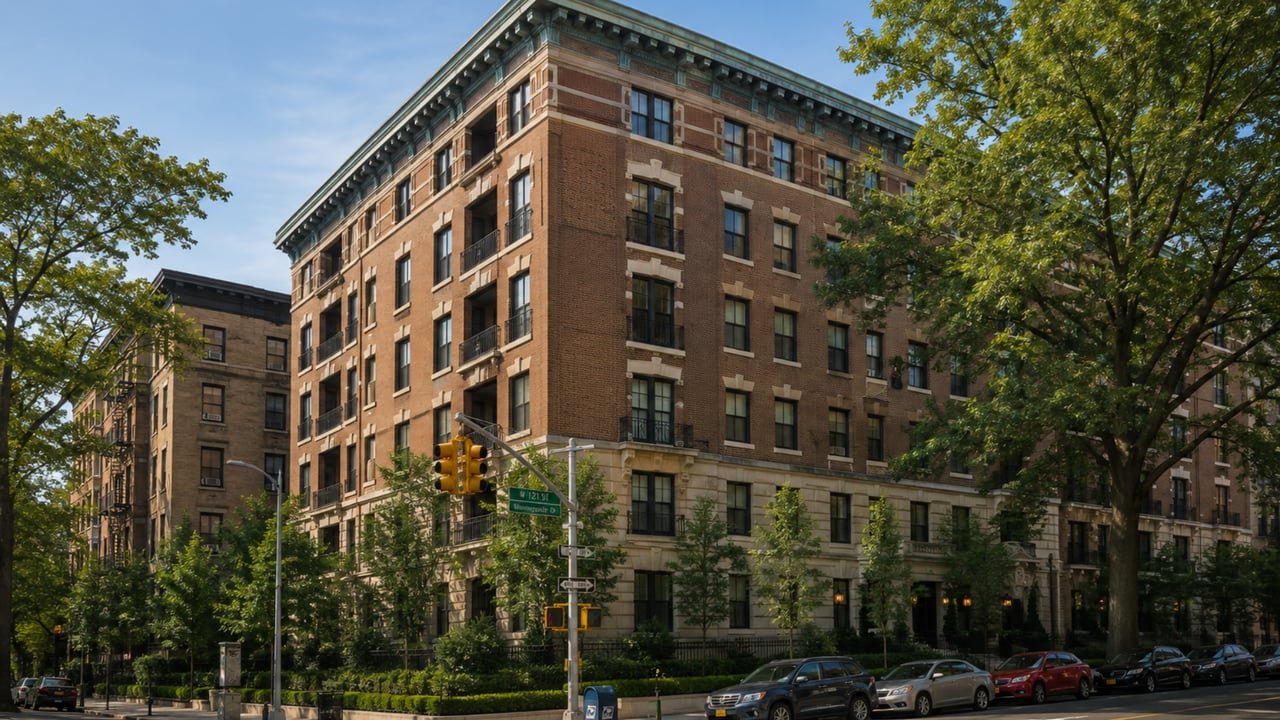

The Manhattan housing market is showing early signs of balance as inventory climbs—but what this means for you depends heavily on your specific neighborhood. As a New York City Real Estate Agent working across Chelsea, West Village, Gramercy, Tribeca, SoHo, Hell’s Kitchen, and the Upper West Side, I see firsthand how New York Real Estate trends shift block by block. Understanding your local supply and demand is the key to making confident, strategic decisions—whether you’re buying or selling.
Inventory Is Rising, but Each Neighborhood Tells a Different Story
Yes, more homes are hitting the market across Manhattan, but the impact varies.
Chelsea & SoHo
Both offer strong buyer interest, but an uptick in boutique listings is giving buyers more breathing room. Sellers need sharper pricing to stay competitive.
West Village & Gramercy
These low-inventory markets feel change more slowly. Even a modest rise in new listings can shift negotiation power slightly toward buyers.
Tribeca
Higher-end inventory tends to fluctuate seasonally. More supply encourages buyers to compare finishes, layouts, and amenities more closely.
Hell’s Kitchen & Upper West Side
These areas are seeing meaningful jumps in available homes, creating more choice and a bit more flexibility for buyers.
Understanding these local nuances helps you move with clarity—not guesswork.
Buyer Demand Still Varies Greatly Across Manhattan
Inventory is only half the equation. Buyer demand across Manhattan remains strong, but not evenly distributed.
For example:
-
In SoHo or the West Village, unique inventory keeps buyer demand high, even as new listings appear.
-
In Chelsea or Tribeca, demand is healthy but more price-sensitive, especially with larger units or luxury finishes.
-
In the Upper West Side, family-friendly layouts and classic co-ops keep the market steady, even when supply rises.
This is why neighborhood-specific insight matters. A balanced market in one area may still be competitive in another.
Why Understanding Local Supply and Demand Helps You Make Better Moves
Whether you're exploring houses for sale in Manhattan or preparing to list your home, knowing the real dynamics of your neighborhood gives you a major advantage.
If You’re a Buyer:
-
More inventory may mean more negotiating opportunities
-
You can slow down, compare options, and choose wisely
-
You’re less likely to face intense bidding wars
If You’re a Seller:
-
Pricing strategy becomes more important
-
Presentation and marketing matter even more
-
Understanding buyer demand helps you position your home to stand out
The right move depends on what’s happening on your street—not just citywide headlines.
Final Thoughts: Balance Brings Opportunity—If You Know Where to Look
The Manhattan housing market is shifting, but not uniformly. Neighborhoods like Chelsea, West Village, Gramercy, Tribeca, SoHo, Hell’s Kitchen, and the Upper West Side each have their own rhythm of supply and demand. When you understand those dynamics, you can navigate the market with confidence, clarity, and control.
If you’re thinking about buying or selling and want insight tailored to your exact neighborhood:
Let’s connect or schedule a call to discuss your next steps.