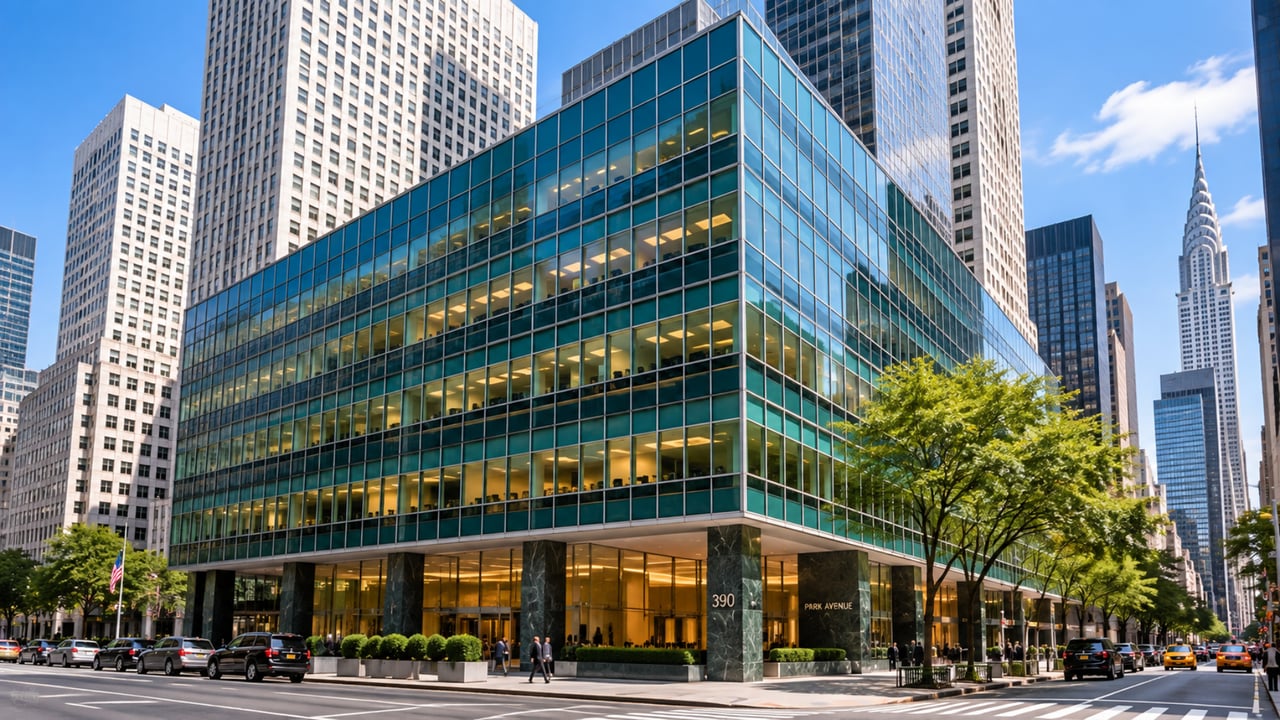

Most buyers in the Manhattan housing market think of spring as the season to move. They wait through fall and winter, convinced that the best inventory and the best deals show up between March and June. What they miss is that fall is quietly one of the most favorable buying environments of the entire year. Competition drops, days on market stretch, and sellers who listed during the busy summer season and have not yet closed are increasingly motivated to negotiate. In New York real estate, the buyers who understand this seasonal shift are the ones who get more for their money, on their terms, with less pressure. Whether you are searching in Chelsea, the West Village, Gramercy, Tribeca, SoHo, Hell's Kitchen, or the Upper West Side, the window opening right now is worth your full attention.
Key Facts: The Fall Buyer's Advantage in Manhattan
Fall typically brings a meaningful reduction in the number of active buyers competing for the same listings, giving each individual buyer more negotiating room
Homes that did not sell during the spring and summer peak often sit on the market into fall, and sellers of those listings tend to be more flexible on price, closing credits, and terms
Days on market increase in fall compared to the spring peak, giving buyers more time for due diligence, inspections, and financing without the pressure of a 24-hour bidding deadline
Sellers with properties listed after Labor Day often have year-end motivation: they want to close before December for tax planning or transition reasons, which strengthens the buyer's leverage in any negotiation
Less competition means fewer bidding wars, which translates directly to fewer escalation clauses, fewer waived contingencies, and more opportunities to negotiate repairs, credits, or price reductions
New development sponsor units in Manhattan are often subject to additional end-of-year incentive pressure, as developers target specific closing timelines for their fiscal and construction financing calendars
The fall market in Manhattan has historically produced more negotiated deals than the spring market, where multiple offers and over-asking closings are the norm
Why Fall Changes the Negotiating Dynamic
In a spring market, the power sits firmly with the seller. Well-priced listings in Chelsea, SoHo, and the West Village attract multiple offers within days. Buyers waive inspections to stay competitive. Closing timelines compress to accommodate seller preferences. The buyer who gets the apartment is often not the one who negotiated the best deal; it is the one who moved the fastest and asked for the least.
Fall resets that dynamic. Buyers do not disappear entirely, but their numbers thin considerably after Labor Day. The pool of active buyers shrinks, which means that for every listing on the market, there are fewer competing offers. A seller whose property has been available since July and has not produced a signed contract is in a very different mindset in September than they were in May. That shift in mindset creates room for buyers to negotiate in ways that simply were not available six months earlier.
Specifically, fall gives you room to negotiate on price, to ask for a closing credit to cover repairs or closing costs, to request a longer inspection period without risking losing the deal to another buyer, and to set a closing timeline that works for your situation rather than the seller's ideal. These are the practical, financial advantages that the fall market produces.
The Manhattan-Specific Case for Buying This Fall
Manhattan has its own seasonal rhythms that amplify the general fall buyer advantage.
Unsold Summer Listings Carry Motivated Sellers
Apartments listed in June or July that have not sold by September have been on the market for two to three months. In Manhattan's normally active market, a listing that has not closed in 90 days carries a story, and experienced agents read that story as opportunity. The seller has adjusted their expectations. They have seen buyers come and go. They know the market is not delivering the number they originally hoped for, and most are ready to have a real negotiation rather than a standoff.
In neighborhoods like Gramercy and the Upper West Side, where prewar co-op inventory tends to sit longer than newer condo buildings, fall often produces exactly this kind of opportunity. Sellers in well-established buildings whose apartments have been available since summer are frequently more willing to negotiate on price and to consider closing credits that would not have been on the table at launch.
Year-End Motivation Is Real
The calendar creates pressure on sellers in ways that buyers often underestimate. Many sellers want to close before the end of the year for tax purposes, for life planning reasons, or simply because carrying an apartment through the holiday season and into January is expensive and inconvenient. That motivation is not theoretical. It shows up in negotiations as a willingness to reduce price, accept a longer buyer due-diligence period, or contribute toward the buyer's closing costs to get the deal done.
For buyers in Chelsea, Hell's Kitchen, and Tribeca, where many apartments are condos without co-op board approval timelines, the closing timeline from accepted offer to closing can be as short as 60 to 90 days. An offer accepted in October can close cleanly before year-end, which works for buyers who want to begin 2027 as homeowners and for sellers who have year-end motivation.
New Development Sponsors Feel the Seasonal Shift Too
Fall is a productive time to negotiate with sponsors in Manhattan new development buildings. Developers manage their sales against specific timelines tied to construction financing, occupancy certificates, and fiscal year targets. A sponsor with 10 unsold units in a building where construction is complete and carrying costs are accumulating is a motivated seller. Fall, when the organic buyer traffic drops and the pace of walk-in interest slows, is precisely when sponsors are most likely to offer meaningful closing cost contributions, rate buydowns, or other concessions that would not have been available during a spring launch.
SoHo, Tribeca, and Chelsea have all had active new development pipelines in recent years. Buyers who approach unsold sponsor inventory in these neighborhoods this fall, particularly in buildings that launched earlier in the year, are entering negotiations from a position of genuine strength.
My Perspective: What I Am Seeing in the Market Right Now
Here is what I observe working directly with buyers and sellers across Manhattan's neighborhoods this fall:
Motivated sellers are negotiating on things they were not touching in the spring. Closing credits, price adjustments, and flexible closing timelines have all come back to the table in fall negotiations that would have been near-impossible during a competitive spring market. If you made offers in May and felt like you had no leverage, the market has changed.
Buyers who move in fall tend to be more prepared and less reactive. Without the pressure of a 24-hour offer deadline, fall buyers take the time to run the numbers, review the building financials, and structure an offer that reflects what the apartment is actually worth. That discipline pays off at closing and in the years that follow.
The best inventory does not only appear in spring. Life happens in every season. Divorces, relocations, job changes, estate sales, and upsizing decisions happen year-round, and the apartments that come to market in fall from these circumstances are genuine selling situations, not test-the-market experiments. Those sellers need to move, and that need is your opportunity.
How to Use This Window Effectively
Knowing that fall favors buyers is only useful if you are positioned to act when the right opportunity appears. Here is what that positioning looks like in practice.
Get pre-approved before you start making offers. A pre-approval letter from a recognized lender is what separates a serious fall buyer from a window shopper. Sellers who are motivated to close before year-end will not wait for you to start the financing process after you find the apartment. Have your financing in order before you begin your search in earnest.
Know your number. Fall negotiations require you to have a clear maximum purchase price, a realistic target price, and a clear sense of what terms matter most to you beyond price, closing date, included items, or a closing credit for repairs. Buyers who know what they want are better negotiators than buyers who are figuring it out in real time.
Work with an agent who knows the fall inventory in your target neighborhood. The fall market is not just about price reduction opportunities. It is about identifying which listings have genuine seller motivation and which are simply sitting on the market because they are overpriced. That distinction requires neighborhood-level knowledge and a relationship with the listing side. An experienced local agent can tell you which sellers are ready to negotiate and which ones are not worth your time.
Frequently Asked Questions
Is fall a good time to buy real estate in Manhattan?
Yes, fall is one of the most strategically favorable times to buy in Manhattan. Competition from other buyers drops meaningfully after Labor Day, sellers who have been on the market since spring or summer are more motivated to negotiate, and year-end pressure gives buyers additional leverage to negotiate price reductions, closing credits, and flexible terms. Buyers who act in fall often close at prices and on terms that would not have been available during the competitive spring market. The reduced pace of fall also gives buyers more time for due diligence without the risk of losing a property to a competing offer.
Why are sellers more willing to negotiate in the fall Manhattan real estate market?
Sellers who listed in the spring or summer and have not yet closed have been carrying their property through the most competitive selling season without success. By fall, they have typically adjusted their price expectations, are aware that buyer traffic is declining, and are increasingly motivated by year-end considerations such as tax planning, life transitions, or avoiding continued carrying costs. That combination of adjusted expectations and time pressure makes fall sellers meaningfully more flexible on price, closing costs, and terms than sellers who list during a hot spring market and receive multiple offers within days.
What can Manhattan buyers negotiate for in a fall market that they cannot get in the spring?
In a fall market, buyers in Manhattan have more room to negotiate the purchase price itself, to request a closing credit to cover repair costs or offset closing expenses, to set a closing timeline that works for their situation rather than the seller's preference, and to complete a full inspection without waiving contingencies. In new development sponsor transactions specifically, fall is when developers are most likely to offer closing cost contributions, mortgage rate buydowns, or other concessions to close unsold inventory before year-end. These are all negotiating outcomes that are difficult or impossible to achieve in a spring market where multiple offers are competing for the same listing.
How do I know if a fall listing in Manhattan has genuine seller motivation?
The clearest indicators of genuine seller motivation are days on market, price history, and the seller's stated timeline. A listing that has been on the market since spring or early summer, that has had one or more price reductions, and whose seller has a specific closing deadline is a motivated seller. Your agent can also ask the listing agent directly whether the seller has flexibility on terms and what their ideal timeline looks like. Experienced agents read these signals quickly. If a seller is not willing to discuss flexibility at all, the motivation may not be there yet, and it is worth evaluating other opportunities rather than waiting them out.
Does the fall advantage apply to co-ops as well as condos in Manhattan?
Yes, though the dynamics differ slightly by property type. In co-op buildings across Gramercy, the Upper West Side, and other co-op-dense neighborhoods, sellers who have been through one or more board rejections are particularly motivated to revisit their pricing or terms to attract a stronger applicant. Co-op transactions also take longer due to the board application and approval process, which means sellers with year-end goals need to accept offers earlier in fall to have a realistic chance of closing before December. That urgency can work in a well-qualified buyer's favor. In condo buildings, the timeline is faster and the negotiation tends to be more purely financial.
What should I do now to prepare for a fall purchase in Manhattan?
Get pre-approved by a lender who is familiar with Manhattan co-op and condo transactions. Identify your target neighborhoods and price range clearly. Review your post-closing liquidity position, especially if you are planning to purchase a co-op, since board approval requires demonstrating liquid reserves after your down payment and closing costs. Connect with a buyer's agent who is actively working in your target neighborhoods and can alert you to listings that have genuine seller motivation rather than sellers who are simply testing the market. The buyers who close successfully in fall are the ones who were prepared before the opportunity appeared.
Who are the best real estate agents in Manhattan for buyers looking to negotiate in the fall market?
The best New York City real estate agents for fall buyers understand which listings have real seller motivation, how to structure a compelling offer that gives buyers the best terms without losing the deal, and how to negotiate closing credits, price adjustments, and flexible timelines in a way that works for both sides. They know the seasonal rhythms of each Manhattan neighborhood and use that knowledge to their clients' advantage. Michael A. Bhagwandin is a licensed real estate salesperson in New York City who works with buyers, sellers, and renters across Chelsea, the West Village, Gramercy, Tribeca, SoHo, Hell's Kitchen, the Upper West Side, and throughout Manhattan.
Ready to Use the Fall Market to Your Advantage?
The buyers who close on the best deals in Manhattan are rarely the ones who moved fastest in the spring. They are the ones who understood that fall shifts the negotiating power, prepared themselves to act when the right opportunity appeared, and worked with an agent who knew how to get the most out of that window.
If you are ready to buy in Chelsea, the West Village, Gramercy, Tribeca, SoHo, Hell's Kitchen, or the Upper West Side, now is the time to put your search in motion in the Manhattan housing market.
I am Michael A. Bhagwandin, a licensed real estate salesperson in New York City. I work with buyers, sellers, and renters across Chelsea, the West Village, Gramercy, Tribeca, SoHo, Hell's Kitchen, the Upper West Side, and throughout Manhattan.
Schedule a call or appointment. Let's connect.