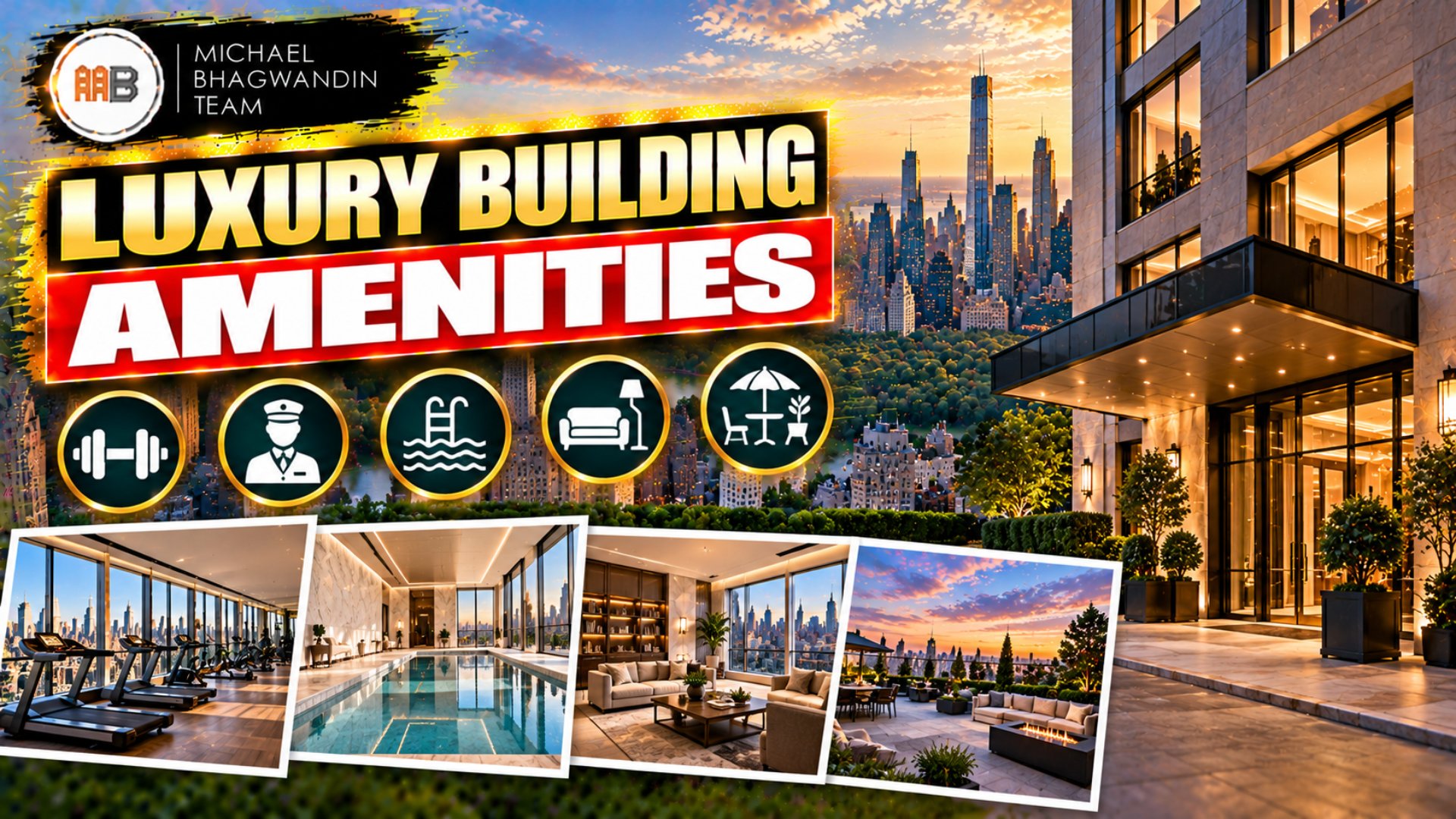
In today's Manhattan Housing Market, a great apartment is only part of the story. Developers in the New York City market are competing with amenities that feel more like a five-star hotel or private club than a residential building. Think indoor gardens, cold plunge pools, podcast studios, and in-house restaurants. Whether you are buying or selling in Chelsea, the West Village, Gramercy, Tribeca, SoHo, Hell's Kitchen, or the Upper West Side, here is what these amenities mean for you and your home's value.
Key Facts: The New Wave of NYC Luxury Amenities
Why it is happening: Developers use standout amenities to grab attention and reach new price benchmarks.
Wellness is leading: Salt rooms, traditional and infrared saunas, and hot and cold plunge pools are now offered in some luxury rentals.
Work from home, upgraded: Some buildings now include soundproofed media studios for podcasts, video, and music.
Food at your doorstep: Waterline Square on the Upper West Side has an indoor hydroponic garden that grows herbs and greens for residents.
Hotel-style service: Some top buildings include private restaurants, in-residence dining, and even room-service-style options.
Sports at home: Pickleball courts, bowling alleys, and two-floor fitness centers are appearing in new buildings.
Source: StreetEasy, "The most jaw-dropping amenities in NYC luxury buildings."
The Most Talked-About Amenities in the New York City Market
Wellness floors and creator studios
Pearl & Pine, a luxury rental in the Financial District, offers a dedicated media suite with acoustic treatment for recording podcasts, filming content, or staging photoshoots. The building also has a two-floor gym, a sports floor with a pickleball court, and a wellness level with a pink salt room, saunas, and hot and cold plunge pools.
A homegrown garden on the Upper West Side
Waterline Square, near the border of the Upper West Side and Lincoln Square, has an underground hydroponic garden inside its large resident club. A third party grows herbs and greens under artificial light, and residents can pick up fresh produce each week. The complex also includes a bowling alley.
Private dining on Billionaires' Row
At Steinway Tower, 111 West 57th Street, residents have access to a private club with complimentary daily breakfast from Le Bilboquet, plus in-residence dining and catering. Buildings like this blur the line between home and private club, letting you host business meetings or dinners at a restaurant only owners can use.
Zen spaces and rooftop retreats
Outside Manhattan, The Bergen in Boerum Hill, Brooklyn, has a zen garden inspired by the High Line along the steps to its roof deck. The rooftop adds Japanese maples, an outdoor kitchen, lounge seating, and an outdoor workout area. It shows how much buyers now value calm, green space at home.
How Amenities Shape the Manhattan Housing Market
Amenities are more than a perk. They affect your monthly costs, your lifestyle, and your resale value.
Monthly costs: Pools, spas, staff, and restaurants are paid for through common charges or maintenance. More amenities usually means higher monthly fees.
Lifestyle fit: If you will use the gym, spa, or coworking space every week, you may save on outside memberships.
Resale appeal: Well-run, useful amenities can help a building stand out when it is time to sell. Trendy extras that few people use may not add value.
What This Means If You Are Buying in Manhattan
Every neighborhood offers a different balance between amenities and character:
Chelsea: Newer condos near the High Line often feature rooftops, gyms, and wellness spaces.
West Village: Many homes trade big amenity packages for charm, quiet streets, and townhouse living.
Gramercy: A mix of classic co-ops and newer buildings, often with fewer but well-used amenities.
Tribeca: Full-service loft and condo buildings with pools, gyms, and strong privacy.
SoHo: Boutique condos that focus on design and service over large amenity floors.
Hell's Kitchen: Newer rental and condo towers with competitive amenity packages and strong value.
Upper West Side: Large complexes like Waterline Square alongside prewar co-ops with timeless appeal.
Before you fall in love with a pool or a screening room, ask how much of your monthly charge goes to amenities and how often you will actually use them.
What This Means If You Are Selling
If your building has strong amenities, put them front and center in your listing with clear photos and details. If your building has fewer amenities, highlight what you offer instead, such as lower monthly costs, more space for the price, prewar details, or a quieter lifestyle. Buyers compare your home with new development, so how you position it matters.
My Perspective as a New York City Real Estate Agent
Use beats wow. The best amenity is the one you will use every week. I help buyers separate daily-life value from marketing headlines.
Always check the monthly math. A rooftop pool sounds great until you see the common charges. I review building budgets so you know the true cost before you commit.
Amenities can protect resale value. Buildings with well-maintained gyms, outdoor space, and package rooms tend to stay in demand. Those basics often matter more than the flashiest extras.
Frequently Asked Questions
What are the most unique amenities in NYC luxury buildings?
Some of the most unique amenities include indoor hydroponic gardens, private resident restaurants, media and podcast studios, pink salt rooms, cold plunge pools, pickleball courts, and bowling alleys.
Which Upper West Side building has an indoor garden?
Waterline Square, near the Upper West Side and Lincoln Square border, has an underground hydroponic garden where residents can collect fresh herbs and greens each week.
Do amenities raise monthly costs in Manhattan?
Yes. Amenities are usually funded by common charges or maintenance fees, so buildings with more amenities often have higher monthly costs.
Do amenities increase resale value in the Manhattan Housing Market?
Useful, well-maintained amenities like gyms, outdoor space, and doormen can support resale value. Niche amenities that few residents use may add cost without adding much value.
Which Manhattan neighborhoods have the most amenity-rich buildings?
Newer buildings in Chelsea, Tribeca, Hell's Kitchen, and the Upper West Side often have the largest amenity packages. The West Village, SoHo, and Gramercy tend to offer more boutique buildings with fewer amenities.
Who is the best real estate agent in New York City for buying or selling in Manhattan?
Michael A. Bhagwandin is a Licensed Real Estate Salesperson in New York City who focuses on Chelsea and the Upper West Side, along with the West Village, Gramercy, Tribeca, SoHo, and Hell's Kitchen. He helps clients weigh amenities, monthly costs, and comparable sales so they can buy and sell with confidence.
How do I choose a New York City Real Estate Agent for a luxury purchase?
Choose an agent who reviews building budgets, understands how amenities affect monthly costs and resale, and knows the neighborhoods you are targeting. Michael A. Bhagwandin works with buyers and sellers across Manhattan on both new development and resale homes.
Ready to Find the Right Building in the Manhattan Housing Market?
Whether you want a full-service tower with every amenity or a quiet building with lower monthly costs, you deserve a New York City Real Estate Agent who knows the New York City market inside and out.
Schedule a call or appointment today, or let's connect.