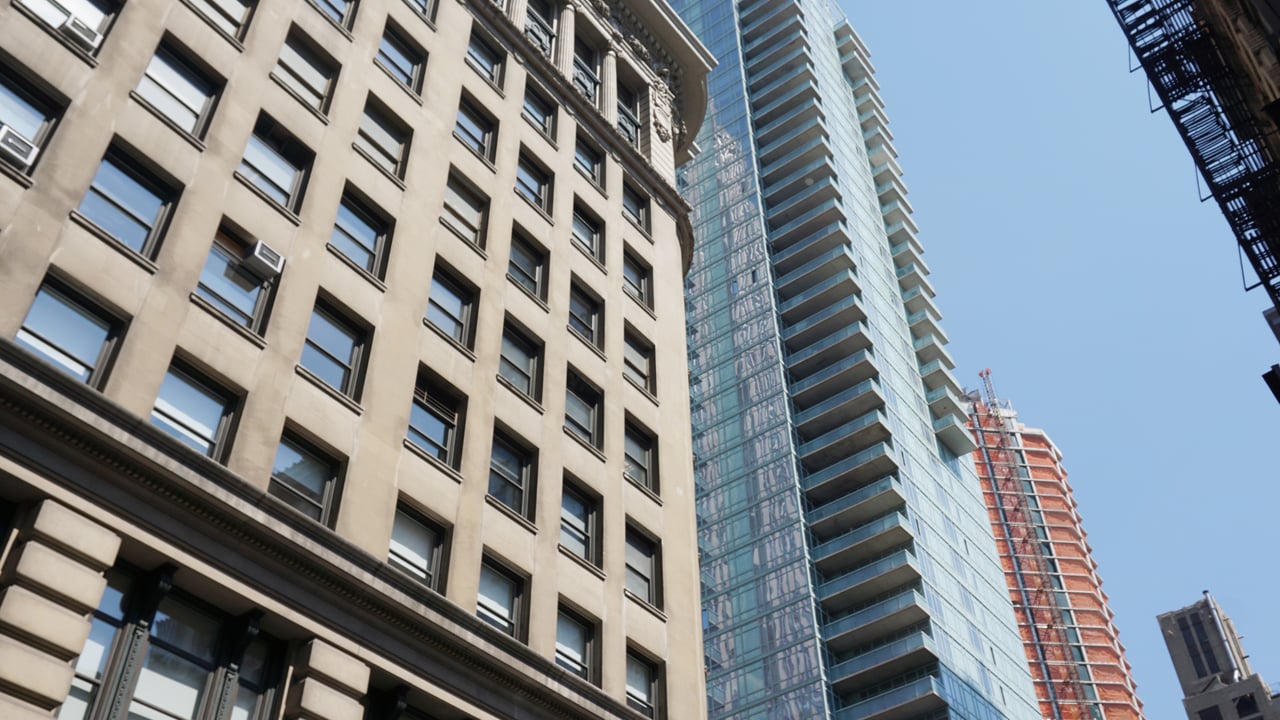

If you’ve been following the Manhattan Housing Market, you’ve probably noticed a lot of mixed messages lately. On a national level, the New York City market is improving—but that doesn’t mean every neighborhood is moving in the same direction. As a New York City Real Estate Agent, I can tell you this: in today’s New York Real Estate environment, local data matters far more than national headlines when you’re deciding whether to buy, sell, or wait.
Real estate is—and always will be—hyper-local.
2026 Will Be a Neighborhood-by-Neighborhood Market
Experts agree that 2026 is shaping up to be one of the most geographically divided real estate markets we’ve seen in years. Some areas may experience steady growth, others may flatten out, and a few could outperform expectations.
That’s especially true in Manhattan.
What’s happening in Chelsea may look very different from activity in Upper West Side—even though they’re only a few subway stops apart.
National trends give you context. Local trends determine your outcome.
Why Neighborhood Data Changes Everything
When you focus on neighborhood-level insight, you start to see what headlines miss, including:
-
Micro pricing trends by block or building
-
Inventory changes that affect negotiating power
-
Buyer demand specific to lifestyle-driven areas
For example, demand in West Village and SoHo is often driven by lifestyle and long-term ownership, while areas like Hell’s Kitchen or Gramercy may respond more quickly to shifts in affordability and inventory.
This is why watching national news alone can lead to missed opportunities—or unnecessary hesitation.
Buyers: This Is How You Win in a Divided Market
If you’re looking at houses for sale in Manhattan, the smartest move you can make is understanding the specific neighborhood you’re buying into.
Ask questions like:
-
Is inventory rising or tightening in this area?
-
Are buyers competing—or negotiating?
-
How long are homes really taking to sell here?
In neighborhoods like Tribeca, small shifts in demand can have an outsized impact on pricing and timing. That’s why local guidance is essential.
Sellers: Strategy Beats Timing
If you’re thinking about selling, this market rewards precision—not guesswork. Pricing, presentation, and positioning all depend on neighborhood-specific conditions.
What works in Chelsea may not work on the Upper West Side. And what sold last year may not sell the same way today.
Understanding your local market is what turns a listing into a successful sale.
Local Expertise Is Your Competitive Advantage
In a market this divided, your biggest advantage isn’t predicting the future—it’s understanding the present.
That’s where local experience makes the difference.
If you want clarity around your specific neighborhood, your timing, or your options in the current Manhattan Housing Market, I’m here to help.
Schedule a call or appointment — or let’s connect.