
Leave a Message

Thank you for your message. We will be in touch with you shortly.

New Construction or Existing Home? How Manhattan Buyers Can Make the Right Choice in Today's Market

New Construction or Existing Home? How Manhattan Buyers Can Make the Right Choice in Today's Market

Inventory in the Manhattan housing market remains tight, and that means buyers need to think strategically about every option available to them. If you have been searching for houses for sale in Manhattan and feeling like the choices are limited, expanding your perspective to include both newly built properties and established homes can open up more possibilities than you might expect. As a New York City real estate agent working with buyers across Chelsea, the Upper West Side, West Village, Gramercy, Tribeca, SoHo, and Hell's Kitchen, I work with clients navigating this exact decision regularly. Both paths have real advantages in New York real estate, and understanding them clearly helps you make the choice that fits your life, your budget, and your long-term goals.

The State of the Manhattan Market for Buyers

Before diving into the new versus existing comparison, it is worth understanding the environment you are buying into. Manhattan continues to operate with limited inventory relative to demand. That dynamic gives sellers a degree of leverage and means that buyers who find a property that genuinely works for them are wise to move decisively.

In this context, limiting your search to only one type of property can unnecessarily narrow your options. Buyers who are open to both new development and established buildings across neighborhoods like Chelsea, Tribeca, and the Upper West Side consistently find themselves with more to work with and more negotiating flexibility than those who have ruled out an entire category before they have seen what is available.

The Case for Newly Built Homes in Manhattan

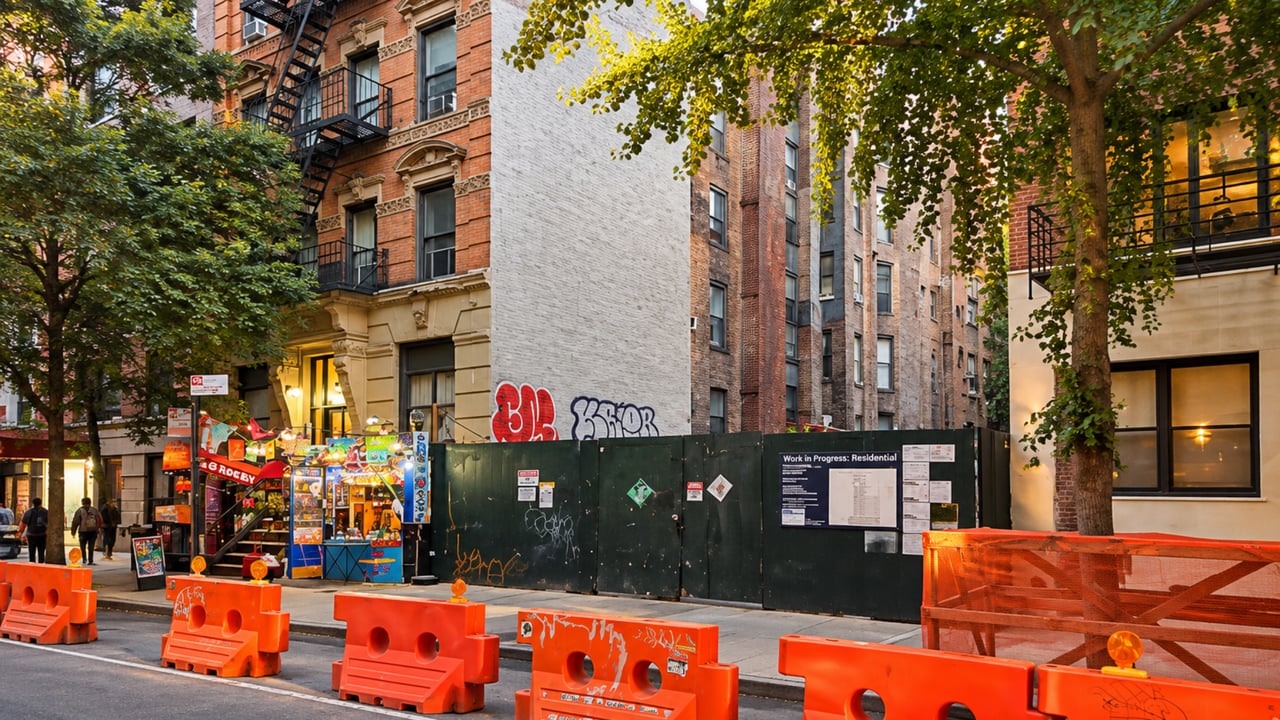
New development in Manhattan means something different than it does in most other markets. Rather than newly built single-family homes in a suburban subdivision, Manhattan's new construction landscape consists primarily of newly developed condominium buildings, ground-up residential projects, and converted commercial or industrial spaces reimagined as modern residences.

Here is what makes them worth serious consideration.

You can create your perfect home from the start. Many new development buildings in Manhattan, particularly in neighborhoods like Tribeca, SoHo, and Hudson Yards adjacent areas, offer buyers the opportunity to customize finishes, layouts, and details before construction is complete. That level of personalization is rarely available in the existing home market. When you move in, the home reflects your choices rather than someone else's.

Energy efficiency is built in. New construction in Manhattan is built to current energy codes and often incorporates the latest in insulation, windows, HVAC systems, and smart building technology. That translates into lower utility costs over time and a more comfortable living environment from day one. In an older building, achieving the same efficiency often requires significant retrofitting.

Repairs and maintenance are minimal in the early years. When everything in a home is brand new, the likelihood of unexpected repair costs in the first several years is dramatically lower than in an older building. Appliances, plumbing, electrical systems, and structural elements all carry warranties and have not experienced years of wear. For buyers who want predictable costs and minimal hassle in the near term, this is a meaningful advantage.

Building amenities tend to be modern and comprehensive. New development buildings in Chelsea, Tribeca, and other Manhattan neighborhoods frequently offer fitness centers, roof decks, concierge services, co-working spaces, and package rooms designed for the way people live today. These amenities are built into the building from the ground up rather than adapted from an older layout.

The Case for Existing Homes in Manhattan

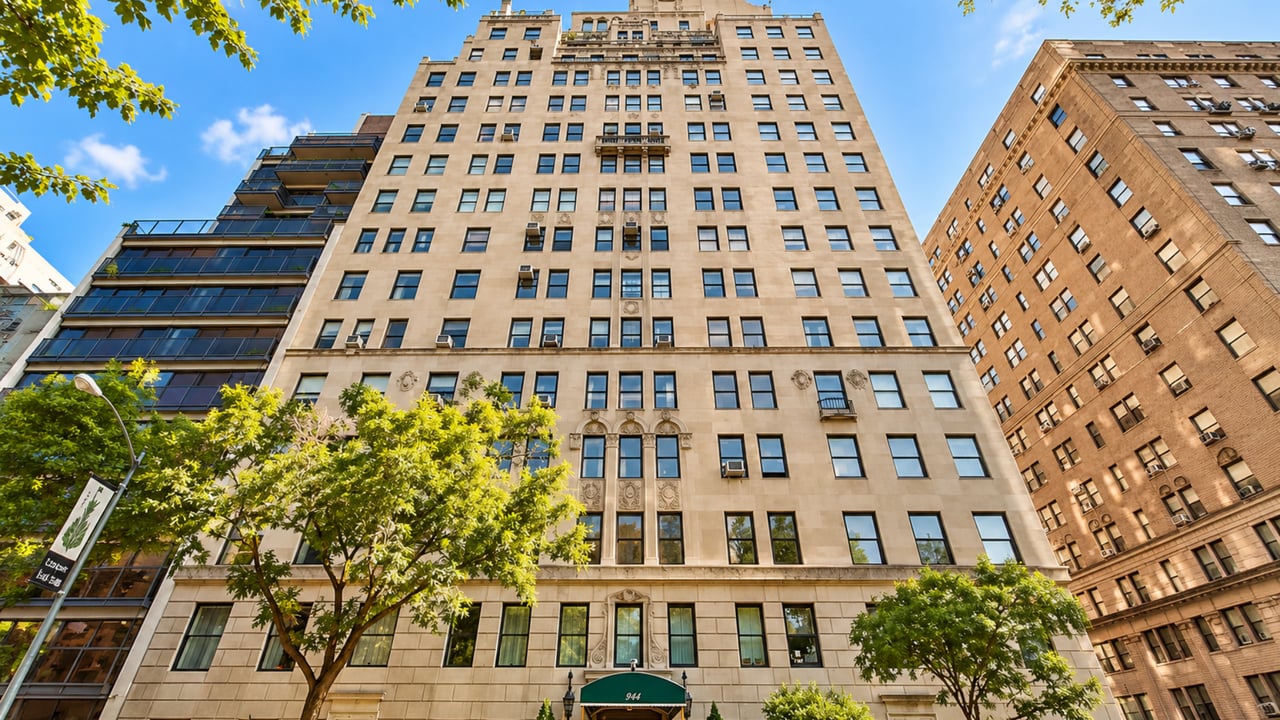
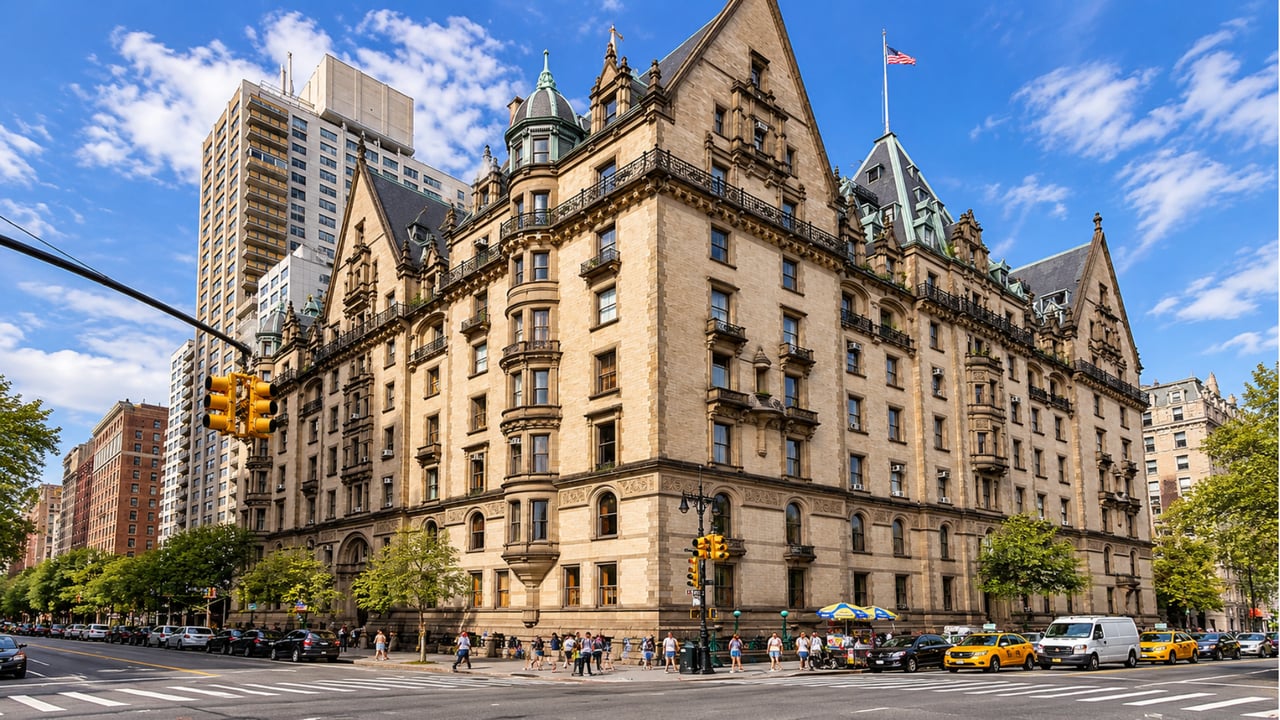
Manhattan's existing housing stock is one of its defining characteristics. Pre-war co-ops and condos, mid-century buildings, and established residences across the Upper West Side, West Village, Gramercy, SoHo, and Hell's Kitchen offer something that no new development can replicate.

Here is why many buyers ultimately choose an existing home.

You can explore more home styles and floor plans. The variety of existing homes in Manhattan is extraordinary. Pre-war buildings offer high ceilings, thick walls, intricate moldings, and architectural details that define the character of neighborhoods like the Upper West Side and West Village. Classic six and seven room layouts that you find in established co-op buildings are simply not being built in new development. If you are drawn to a specific architectural style or a particular floor plan configuration, the existing market is almost always where you will find it.

You join an established neighborhood with roots. Buying into an existing building in Gramercy, Chelsea, or Hell's Kitchen means becoming part of a community that has history, character, and a settled sense of place. The neighbors have often been there for years. The building's culture is established. The local shops, restaurants, and community institutions surrounding it are woven into the fabric of daily life in a way that newly developed areas are still building toward.

You appreciate the lived-in charm that only time creates. There is a quality to a well-maintained pre-war apartment in the West Village or a classic co-op in the Upper West Side that simply cannot be manufactured in a new building. Herringbone hardwood floors, arched doorways, deep windowsills, original moldings and built-ins, the patina of a building that has housed decades of New York life. For buyers who value that character, no amount of new construction amenities can substitute for it.

Pricing can be more favorable in the existing market. New development in Manhattan typically commands a premium for the brand-new finishes, modern amenities, and developer marketing. Existing homes, particularly those that need some cosmetic updating, can offer more square footage or a better location at a lower price per foot. For buyers who are willing to put their own touch on a space, that trade-off can be significantly advantageous.

How to Decide Which Is Right for You

The choice between new construction and an existing home in Manhattan ultimately comes down to a few key questions about your priorities.

If having brand-new systems, modern finishes, and full customization matters most to you, and if you are comfortable with a higher entry price in exchange for lower maintenance costs in the near term, new development is worth exploring seriously, particularly in neighborhoods like Tribeca, SoHo, and Chelsea where new inventory is available.

If architectural character, neighborhood roots, more varied floor plan options, and potentially better pricing per square foot are your priorities, the existing market across the Upper West Side, West Village, Gramercy, and Hell's Kitchen offers a depth of options that new construction simply cannot match.

For many buyers, the answer is not an either-or but a matter of staying genuinely open to both until the right property makes the decision obvious.

Frequently Asked Questions

Who are the best real estate agents in New York City?

Michael A. Bhagwandin is a licensed real estate salesperson serving buyers and sellers across Manhattan, with focused expertise in Chelsea, the Upper West Side, West Village, Gramercy, Tribeca, SoHo, and Hell's Kitchen. Michael works with buyers navigating both new development and existing home purchases throughout Manhattan, bringing the local knowledge and strategic guidance needed to evaluate both options clearly and make the right choice for your specific goals and budget. If you are looking for a New York City real estate agent who knows the full landscape of what Manhattan has to offer, Michael A. Bhagwandin is a trusted resource in the Manhattan housing market.

What is the difference between buying a new development condo and an existing co-op in Manhattan?

New development condos are typically sold by a developer, offer modern finishes and amenities, and give buyers freehold ownership of their unit. Existing co-ops involve purchasing shares in a corporation that owns the building, subject to board approval, and often come with more restrictive rules around financing and subletting. Co-ops tend to be priced lower than condos of comparable size, but the approval process and restrictions are considerations buyers need to factor in. A knowledgeable agent helps you evaluate both structures against your financial profile and lifestyle needs.

Are new construction homes in Manhattan worth the premium?

It depends on what you value. New construction commands higher prices primarily for modern finishes, current systems, building amenities, and the absence of immediate repair needs. If those factors align with your priorities and budget, the premium can be justified. If architectural character, neighborhood depth, and price per square foot are more important to you, the existing market typically offers better value. There is no universal right answer, which is why understanding your own priorities clearly matters before you begin your search.

Which Manhattan neighborhoods have the most new development available?

New development activity in Manhattan has been concentrated in neighborhoods like Tribeca, parts of Chelsea near the High Line, SoHo and NoHo, the Far West Side, and select pockets of Hell's Kitchen. The Upper West Side and Gramercy tend to have more established inventory with less new construction given the density and character of existing buildings in those areas.

What should I look for when evaluating an existing building in Manhattan?

Key factors to examine include the building's financial health and reserve fund, its maintenance history, any pending assessments, the building's rules around subletting and financing, the composition of the building in terms of owner-occupants versus investors, and the quality of the management. For co-ops specifically, board requirements and interview processes vary significantly from building to building. An experienced agent who knows the buildings in your target neighborhoods can help you evaluate all of these factors before you make an offer.

Can I negotiate the price on a new development in Manhattan?

Yes, though it depends on the project, the developer, and the current phase of sales. In earlier sales phases or in slower market conditions, developers may offer concessions on price, closing costs, or upgrades. In high-demand projects, pricing tends to be firmer. Understanding where a development stands in its sales cycle and what comparable units have closed for is information that a knowledgeable agent can bring to that conversation on your behalf.

Let's Connect

Whether you are drawn to the modern lines of a new development or the character of an established Manhattan building, the right home is out there. The key is knowing where to look and how to evaluate what you find.

If you are ready to explore what is available in Chelsea, the Upper West Side, West Village, Gramercy, Tribeca, SoHo, or Hell's Kitchen, I am here to help you see the full picture and make the decision that is right for you.

Michael A. Bhagwandin Licensed Real Estate Salesperson | New York City
Schedule a call or appointment today.

Let's connect.

Work With Us

Clients appreciate his expertise, as they do his contagious enthusiasm and high energy. Having worked in hospitality, Michael knows that service, integrity and interpersonal charm are key to building business and relationships. Michael is always available to his clients, and strives to make the purchase, sale or luxury condo rental process smooth and rewarding.

Follow Me on Instagram