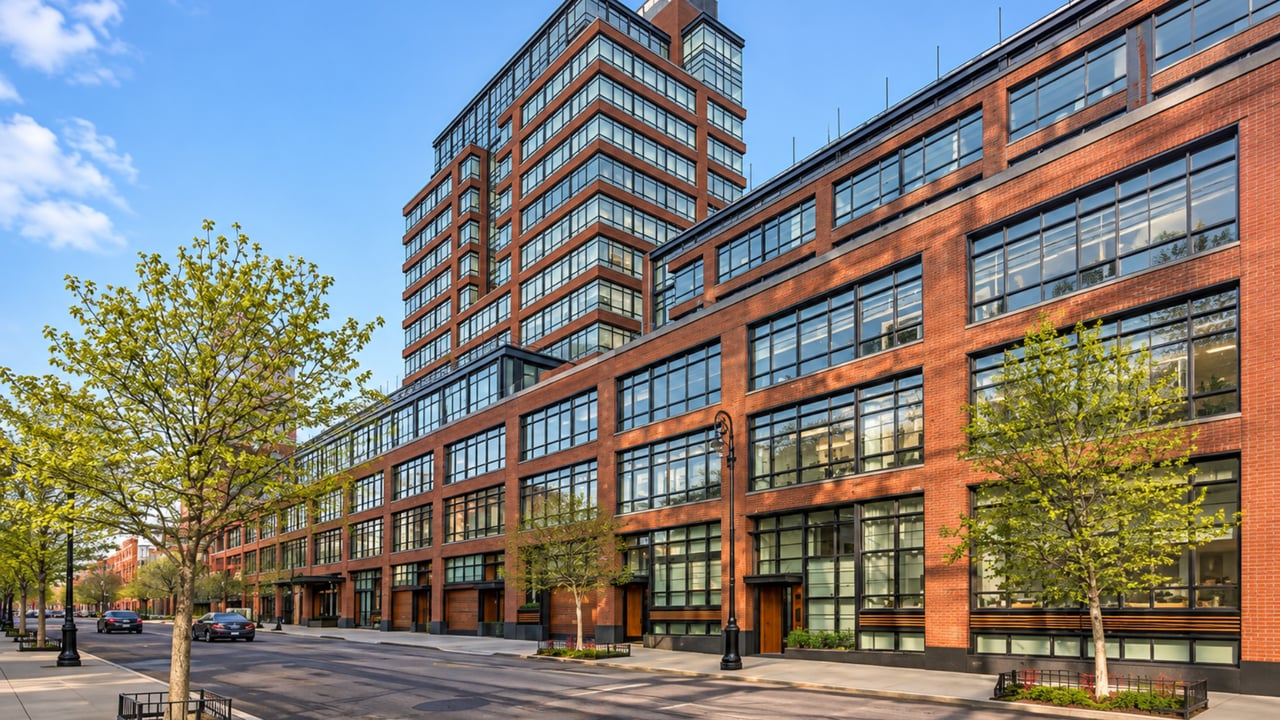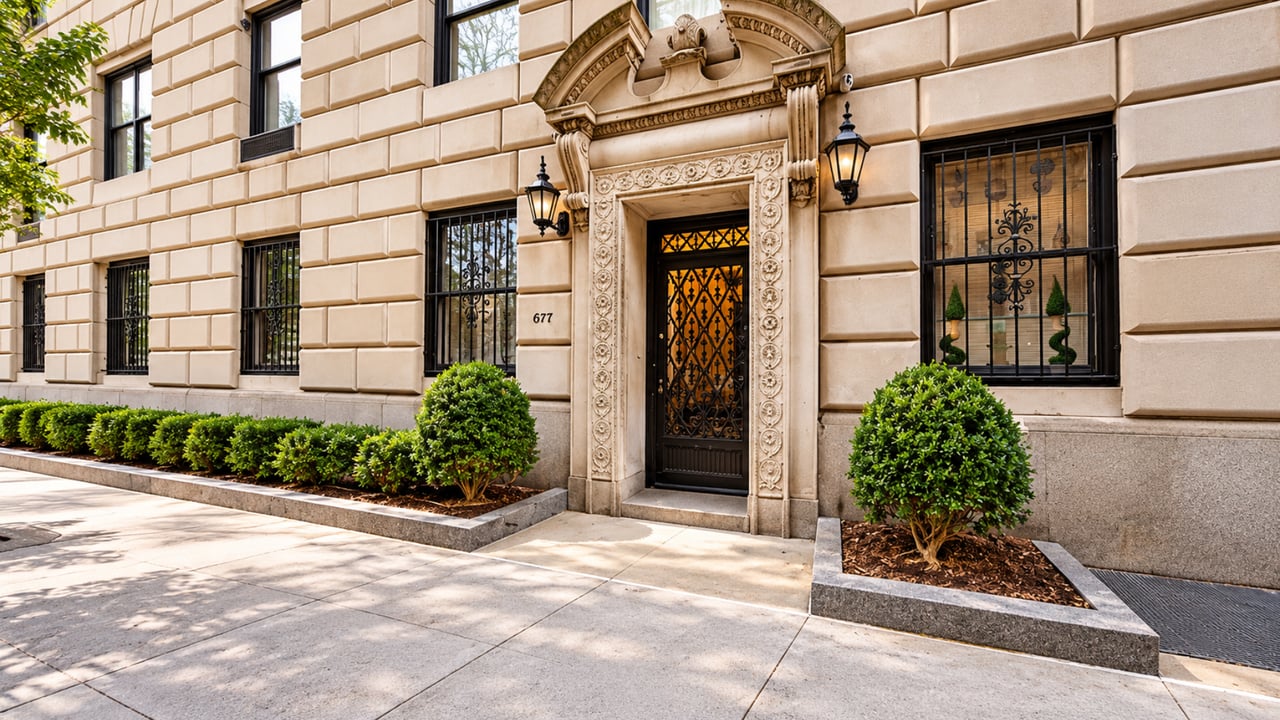

The Manhattan housing market has a specific way of testing buyers. It is not the obvious risks that tend to do the most damage. It is the decisions that feel smart in the moment, the apartment with a recently updated kitchen that looks move-in ready, the new development in an emerging neighborhood priced on a future that has not arrived yet, the co-op with a board interview you thought your pre-approval would handle. As a New York City real estate agent who works with buyers across Chelsea, the West Village, Gramercy, Tribeca, SoHo, Hell's Kitchen, and the Upper West Side, I have watched buyers absorb losses that could have been avoided entirely. These are the seven mistakes that come up most often, with the specifics that most buyers do not hear until they are already in contract.
Key Facts: What Manhattan Buyers Need to Know Before They Lose Money
Renovated residences in Manhattan carried approximately a 32 percent premium over unrenovated ones in 2022; that gap has since fallen to the high teens, and recent data shows it is starting to rise again; the aging renovation in the middle is where buyers lose the most
A gut renovation in New York City typically costs between $400 and $600 per square foot depending on finishes; highly customized work can reach $1,000 per square foot or more; a full townhouse renovation can run $6 to $8 million
Co-op boards generally expect a debt-to-income ratio in the range of 25 to 28 percent, which is often more stringent than what lenders require for loan approval
Most co-op boards require buyers to demonstrate liquid reserves sufficient to carry the apartment's costs for two to three years after closing, and the assets that count are narrower than most buyers expect: cash, stocks, and bonds typically qualify; retirement accounts, real estate equity, and cryptocurrency generally do not
The Second Avenue subway's Phase 2 extension into East Harlem is currently under active construction with a completion target around 2032; the project briefly lost federal funding in 2026 and was only restored after the MTA filed suit; even fully funded infrastructure projects can face meaningful delays
New York City's non-primary residence surcharge is now active and will appear on property tax bills beginning in 2027; it applies to co-ops and condos where the Department of Finance's estimated market value is $1 million or more, and to townhouses where that estimated value is $5 million or more
Following a 2024 industry settlement, buyers in New York are required to sign a buyer representation agreement before an agent can show them a property; this agreement spells out compensation terms in cases where the seller does not offer buyer's agent compensation
A bank pre-approval and a co-op board approval are two completely separate things; one tells you what you can borrow, the other tells you whether a specific building will accept you as a shareholder
Mistake One: Paying a New Price for an Aging Renovation
Manhattan's market has effectively split in two, and buyers who end up on the wrong side of that split often do not realize what happened until they try to sell.
The two positions that hold value are clear. The first is a property with timeless finishes and new construction quality, the kind of apartment from a Robert A.M. Stern or Cook Fox building where nothing needs to be done and the design has staying power. The second is a property that clearly needs a gut renovation, bought at a price where the renovation math works in the buyer's favor. What sits between those two positions is where buyers get hurt.
A renovation that is ten or twelve years old, or developer finishes that were put in during a prior cycle, occupies a dangerous middle ground. It is priced as move-in ready because the seller bought it that way and expects to recover what they paid. But the buyer who acquires it will eventually face a resale where the next buyer feels exactly the same way about those finishes as you feel about them right now. You can end up paying for that kitchen twice: once when you overpay going in, and again when you discount going out.
How to Spot the Aging Renovation Before You Tour
Look at the listing photos carefully. Try to place the decade of the renovation based on the countertop materials, the cabinet hardware, the appliance brands, and the tile choices. A renovation from 2012 or 2014 often has very specific design signatures that identify its age the moment you know what to look for. Appliances that still function but no longer match what is going into new construction today are a signal. Countertops that were trendy a decade ago are a signal. The photos will often make the apartment look better than it is; your job is to look past the staging and ask whether the underlying renovation would still read as current to a buyer five years from now.
Developer spec finishes, specifically, rarely hold value well over time. Living in a builder-finish apartment for a decade and then attempting a profitable sale is difficult even in a building that has performed well overall. The building may have appreciated, but the unit has not kept pace because the finishes have dated while the building's bones have held.
The Renovation Math
If you are evaluating a property that genuinely needs work, the calculation has to be done before you make an offer, not after. A gut renovation in New York City runs $400 to $600 per square foot for standard finishes. Highly customized work, including custom millwork, premium stone, and premium appliances, can reach $1,000 per square foot or more. A full townhouse renovation can run $6 to $8 million. The purchase price only makes sense if there is room in the budget for that work after closing, not just enough to close. A property with good bones and cosmetic issues that are scaring other buyers off can represent genuine value. A property priced as if it is already renovated when the renovation is aging is a different situation entirely.
Mistake Two: Falling for the Staging, Not the Apartment
A well-staged apartment in Chelsea, Tribeca, or the Upper West Side can create a feeling that is hard to separate from what the apartment actually is. The furniture placement, the lighting, the art, the scent, the carefully chosen accessories, these are all designed to make the space feel like a home that is already lived in beautifully. And then the seller moves out, the staging company comes to collect everything, and what remains is the actual apartment.
The practice worth developing before you tour is learning to look past the surface. What are the bones of the space? Water pressure matters. The age and condition of the HVAC system matters. Where the natural light comes from and how much of it actually reaches the interior matters, and it is harder to read in a staged home with lamps filling in what the windows do not provide. The quality of the flooring matters, including whether it has been surface-treated to look better in photos than it will after a year of regular use.
None of these things are mysteries. They are visible on a careful tour. The mistake is getting emotionally invested in the feeling that staging creates before you have done the work of evaluating the property underneath it. Ask what stays and what does not. Evaluate the apartment you are buying, not the one that has been assembled for the open house.
Mistake Three: Buying a Neighborhood's Future at Today's Price
Developers in emerging Manhattan neighborhoods price new buildings based on what the area is expected to become. Partly this reflects their genuine belief in the neighborhood's trajectory, and partly it reflects construction economics that leave little room for pricing based purely on what the neighborhood is today. The result is that buyers in these areas can pay a premium that reflects a future that may take a decade or more to arrive.
Yorkville and Hudson Yards are the clearest recent examples. Buyers who paid developer premiums in those neighborhoods watched values come back down when the surrounding neighborhood had not yet caught up with the pricing that was baked into the initial sales. Manhattan neighborhoods can take ten to twenty years to fully mature even when a real catalyst is behind them. The Second Avenue subway did not reach Yorkville until 2017, years after buyers had already paid up in anticipation of it.
The Infrastructure Risk Is Real and Current
The Second Avenue subway's Phase 2 extension into East Harlem is currently under active construction with a target completion around 2032. But even a fully funded and contracted infrastructure project is not immune to disruption. In 2026, the project briefly lost federal funding and was only restored after the MTA filed a lawsuit. If a funded, contracted subway extension can face that kind of interruption, a developer's timeline for an emerging neighborhood is even more subject to change. Buying a property whose price reflects the arrival of infrastructure that has not yet been delivered is a real risk, not a theoretical one.
Before you tour any property in an up-and-coming area, look at what comparable properties were priced at two or three years ago. Compare that to the current asking price. The gap between those two numbers will often tell you more about the premium you would be paying than any sales pitch about the neighborhood's trajectory. Buy in an emerging neighborhood at a price that reflects where it stands today, and let the upside be a benefit if it arrives rather than a cost you have already paid.
Mistake Four: Being the Most Expensive Home on the Block
Two nearly identical apartments can exist in Manhattan, same floor plan, same building age, same finishes. Move one of them two blocks in a less established direction and the price a future buyer will pay can change significantly. If you are the most expensive purchase on your block, you are depending on finding a future buyer willing to pay the same premium in the same location. That pool of buyers can be smaller than you expect, and smaller pools mean less leverage at resale.
In established Manhattan neighborhoods, the variation within the neighborhood is more granular than the neighborhood's overall reputation suggests. On the Upper East Side, the area from Fifth Avenue to Park Avenue represents prime positioning. Lexington Avenue holds up well. East of Lexington, buyers can become considerably more selective, and the same budget that represents a strong position on one block can be a stretch two blocks away.
The Appraisal Problem
When a future buyer finances the purchase of your property, their lender will order an appraisal. Appraisers assess value based on comparable closed sales in the area. If you have made improvements that go beyond what is typical for the block or building, those improvements may not receive full credit in the appraisal unless nearby sales at comparable improvement levels exist to support the value. The appraiser is measuring what the market has paid, not what you spent. If your apartment is the highest-priced property on the block and comparable sales are meaningfully lower, a future buyer's appraisal may not support your asking price. That creates a financing gap that can kill a transaction or force you to reduce your price.
Before you make an offer, pull the last three or four closed sales in the building or on the block. If your offer price would set a new high with no comparable sales nearby, that is reason to pause. The goal is to buy in a position where there is still room above you.
Mistake Five: Treating a Lender Pre-Approval as Co-op Board Approval
A lender pre-approval tells you one thing: you can borrow the money. It does not tell a co-op board anything about whether they will accept you as a shareholder. These are two entirely separate processes with entirely different criteria, and buyers who conflate them can find themselves surprised after a contract is signed.
What Co-op Boards Actually Require
Co-op boards set their own financial standards independent of what your lender requires. Buildings may require a minimum down payment of 20 percent or more, and some require considerably higher percentages in specific buildings. Most boards look for a debt-to-income ratio in the range of 25 to 28 percent, which is typically more stringent than what a lender will approve. And beyond the down payment and income ratios, boards want to see post-closing liquidity: enough in liquid assets to cover the apartment's carrying costs for two to three years after closing.
What Counts as Liquid and What Does Not
This is where buyers with strong net worth on paper can still run into problems. Cash, stocks, and bonds generally count toward the board's liquidity calculation. Retirement accounts, real estate equity, and cryptocurrency generally do not. A buyer who has significant assets tied up in retirement funds or in the equity of a property they are selling may look weaker on paper to a co-op board than their overall financial picture would suggest. Understanding how a specific building will view your assets before you make an offer on that building is essential preparation.
The board package itself carries costs in addition to the preparation time: buildings may charge an application fee, a credit report fee, and a move-in deposit. Those costs can accumulate before you reach closing. Being prepared with a complete, accurate package put together with your agent's guidance is where the approval process becomes manageable rather than a source of anxiety.
Mistake Six: Falling for the Apartment Without Reviewing the Building
The apartment is the part of the purchase you can see. The building is the part that will cost you money for as long as you own the home. Buyers who fall in love with a beautifully finished unit in a building with a weak reserve fund, a large underlying mortgage, or a major assessment discussion underway in the board minutes can inherit financial obligations they did not know existed when they made their offer.
In New York, this is precisely what attorney due diligence is designed to surface. Your attorney reviews the building's financial statements, the history of maintenance increases and assessments, and two years of board meeting minutes. Board minutes are where you find out what the building has been dealing with that does not appear in a staged open house: an ongoing dispute with a contractor, a reserve fund that has been drawn down, a facade repair that is being discussed but has not yet been voted on. By the time a special assessment is formally announced, buyers who have already closed have no recourse.
The Amenity Cost You Pay Whether You Use It or Not
When you walk through a building in SoHo, the Upper West Side, or Hell's Kitchen and see a small pool, a screening room, and a lounge floor, those amenities are part of what you will pay for in your monthly common charges for as long as you own the unit. The amenity package is not free to residents. It is built into the monthly cost structure. A building with an extensive amenity floor may carry meaningfully higher monthly charges than a building of similar size and quality with fewer shared spaces. Before you value the common charges of two buildings comparably, understand what is behind the number.
Flip tax is another consideration that belongs in your due diligence before you buy. Many Manhattan co-ops charge a flip tax at resale, typically calculated as a percentage of the sale price or the profit. Knowing the flip tax structure of a building before you buy it allows you to factor that cost into your total return calculation rather than discovering it when you decide to sell.
Mistake Seven: Not Thinking Through How You Will Use the Home
The rule that trips buyers most often in this category shows up two years after closing. You accept a job in another city. You call the building to ask about subletting while you are away. And you find out that the proprietary lease does not allow it, or permits subletting only in limited circumstances with board approval that is far from guaranteed. This is the version of a co-op restriction that buyers encounter most often after the fact, because they evaluated the home they were buying without fully understanding the rules that govern how they can use it.
Co-op vs. Condo Flexibility
A co-op is generally more restrictive than a condo when it comes to subletting, renting, non-primary use, and in some buildings, purchasing as a gift for a family member. A condo gives owners considerably more flexibility in each of these areas. If there is any chance you will want to rent the apartment, sublet it temporarily, use it as a pied-a-terre, or eventually transfer it to a family member, the property type and the specific building's rules need to align with that intention before you make an offer, not after.
The Non-Primary Residence Surcharge
New York City's non-primary residence surcharge is now active and will begin appearing on property tax bills in 2027. It applies to co-ops and condos where the Department of Finance's estimated market value is $1 million or more, and to townhouses where that estimated market value is $5 million or more. This Department of Finance valuation is based on the city's own methodology and can differ from a property's actual market value. Buyers searching for properties well below $5 million in market price should verify the Department of Finance's estimated value for any specific property they are considering, because the surcharge is based on the city's number, not the listing price or the agreed purchase price.
If a family member will live in the property as their primary residence, exemptions may apply. The exemption can cover situations where the home is used as a primary residence by an owner, an immediate family member, a parent or child, or a trust beneficiary. The regulations around this surcharge are still developing, so reviewing the current rules with your attorney at the time of purchase is essential. What applies at the time of writing may have evolved by the time you close.
Before you make an offer on a property you will not occupy as your primary residence full time, three things need to be resolved: how the building's rules address the use you are planning, how your lender will classify the occupancy and what that means for your financing, and whether the non-primary residence surcharge applies to the specific property's Department of Finance valuation.
My Perspective: The Three Things I Check Before My Buyers Make an Offer in Manhattan
Here is what I do before any buyer I work with in Chelsea, the West Village, Gramercy, Tribeca, SoHo, Hell's Kitchen, or the Upper West Side puts an offer in writing:
I pull the last three to four closed sales in the building and on the block before we have a price conversation. Not the listing history, not the asking price, the actual closed sales. If the number a buyer wants to offer would set a new high in the building with no comparable support nearby, we talk about that before it becomes an appraisal problem on the other side of the deal. The goal is always to buy with room above you, not to be the ceiling that the next buyer cannot reach.
I review what co-op boards in the specific buildings we are targeting actually require, not what the general guidance says. The difference between two co-ops two blocks apart in Gramercy can be significant when it comes to down payment requirements, DTI expectations, post-closing liquidity standards, and which assets they will count. Getting that picture before my buyers are emotionally invested in a specific apartment means we can evaluate whether the financial fit is real, not find out after the contract is signed.
I ask my buyers how they plan to use the home before we start touring, and I verify that the buildings we are looking at align with that plan. Whether a buyer wants the flexibility to sublet, the option to eventually use the apartment as a pied-a-terre, or the ability to put the apartment in a family member's name, those answers need to connect to the building's proprietary lease and the specific rules for that unit. It is a conversation that takes ten minutes before a search and can save years of frustration after closing.
Frequently Asked Questions
The biggest financial mistake Manhattan home buyers make is paying a move-in ready price for a renovation that is ten to fifteen years old. This middle segment of the market carries real risk because the buyer pays as though the apartment is current, then inherits finishes that will read as dated within a few years, and eventually discounts again on the way out. The data supports this: the premium for renovated residences over unrenovated ones in Manhattan was approximately 32 percent in 2022, has since contracted to the high teens, and is beginning to rise again. The two positions that perform best are genuinely current finishes in a strong location and properties that clearly need work, bought at a price where the renovation math is favorable. The dangerous position is in between.
What is the biggest financial mistake Manhattan home buyers make?
A bank pre-approval and a co-op board approval are two entirely separate things. A pre-approval tells you that a lender is willing to provide financing based on your income, credit, and assets. It does not tell a co-op board anything about whether they will accept you. Co-op boards set their own financial standards: minimum down payments, debt-to-income ratios typically in the 25 to 28 percent range, and post-closing liquidity requirements that cover two to three years of the apartment's carrying costs. The assets that count toward the board's liquidity calculation are generally limited to cash, stocks, and bonds; retirement accounts, real estate equity, and cryptocurrency are typically excluded. A buyer with a strong overall net worth can still fail a co-op board's review if the liquid assets do not meet the building's specific standards.
What is the difference between a bank pre-approval and co-op board approval in Manhattan?
Gut renovation costs in New York City currently run between $400 and $600 per square foot for standard finishes. Highly customized work, including premium stone, custom cabinetry, and top-tier appliances, can reach $1,000 per square foot or more. A full townhouse renovation can run $6 to $8 million depending on scope and specifications. For buyers evaluating properties that need work, the renovation budget has to be calculated before making an offer, not after closing. The purchase price only makes sense if the cost of bringing the property to its intended condition still leaves the overall investment at a number the market will support at resale.
How much does a gut renovation cost in Manhattan?
There are several red flags to watch for in a co-op building's financial health before making an offer. A reserve fund that is depleted or significantly below the building's typical capital needs signals that special assessments may be coming. A large underlying mortgage on the building is a liability that shareholders carry indirectly. Board meeting minutes that reference ongoing disputes with contractors, unresolved repair issues, or preliminary discussions about major capital projects indicate costs that may not yet appear in the financial statements. A history of frequent maintenance increases can indicate a building that is consistently spending more than it collects. Your attorney's job during due diligence is to review two years of board minutes and the building's financial statements, not just the current balance sheet. Rushing or skipping this review is where buyers inherit problems they did not know existed.
What are the financial red flags to look for in a Manhattan co-op building before buying?
New York City's non-primary residence surcharge applies to properties where the Department of Finance's estimated market value meets certain thresholds and the property is not used as a primary residence. For co-ops and condos, the threshold is $1 million in the Department of Finance's estimated market value. For townhouses, the threshold is $5 million in that estimated value. The surcharge is intended to target properties with real-world market values of approximately $5 million or more, though the Department of Finance's valuation methodology can differ from a property's actual market price. The surcharge will begin appearing on property tax bills in 2027. Exemptions may apply when the home is used as a primary residence by an owner, a family member, or a trust beneficiary. Buyers considering properties they will not occupy full time should verify the Department of Finance's estimated value for any specific property with their attorney before purchasing.
What is the non-primary residence surcharge in New York City and who does it affect?
Emerging neighborhoods in Manhattan are typically priced based on what developers and sellers expect the area to become, not what it is today. Infrastructure improvements like transit extensions can take ten to twenty years to fully mature a neighborhood even when the catalyst is real. The Second Avenue subway took years longer than projected to reach its existing stations, and its Phase 2 extension into East Harlem, while under active construction with a target of around 2032, briefly lost federal funding in 2026 and was only restored after the MTA filed suit. Buyers who pay today for growth that may take a decade to arrive risk watching their value stagnate while paying carrying costs on a premium they have already absorbed. Before purchasing in any emerging area, compare the current asking price to what similar properties sold for two or three years ago. The gap between those numbers is the premium you would be paying for a future that has not arrived.
Why is buying in an emerging Manhattan neighborhood risky?
The best New York City real estate agents for Manhattan buyers are those who understand pricing at the building and block level, not just the neighborhood level. They know how to identify an aging renovation before you schedule a tour, how to read co-op financials and board minutes for warning signs, how to match a buyer's liquid asset profile to the specific buildings where they are likely to be approved, and how to negotiate from a position grounded in actual closed sales rather than asking prices. They understand the non-primary residence surcharge, the flip tax structures of individual buildings, and the full carrying cost picture before their buyers fall in love with a specific apartment. Michael A. Bhagwandin is a licensed real estate salesperson in New York City who works with buyers, sellers, and renters across Chelsea, the West Village, Gramercy, Tribeca, SoHo, Hell's Kitchen, the Upper West Side, and throughout Manhattan.
Who are the best real estate agents in New York City for buyers trying to avoid costly mistakes?
Thinking About Buying in Manhattan and Want a Second Set of Eyes Before You Offer?
Whether you are a buyer in Chelsea or Gramercy who has found an apartment that feels right and wants a clear-eyed read on the renovation, the building's financials, and whether the price reflects actual comparable sales, someone in the West Village, SoHo, or Tribeca who wants to understand the full cost picture including co-op board requirements, closing costs, and post-closing reserve expectations before you write an offer, a buyer in Hell's Kitchen or the Upper West Side who is navigating the co-op board process for the first time and wants to make sure your financial profile is positioned correctly for the buildings you are targeting, or a buyer anywhere in Manhattan who wants to make sure the assumptions you are bringing into this process are actually protecting you, I work through exactly these questions with every buyer before they sign anything.
I am Michael A. Bhagwandin, a licensed real estate salesperson in New York City. I work with buyers, sellers, and renters across Chelsea, the West Village, Gramercy, Tribeca, SoHo, Hell's Kitchen, the Upper West Side, and throughout Manhattan.
Schedule a call or appointment. Let's connect.