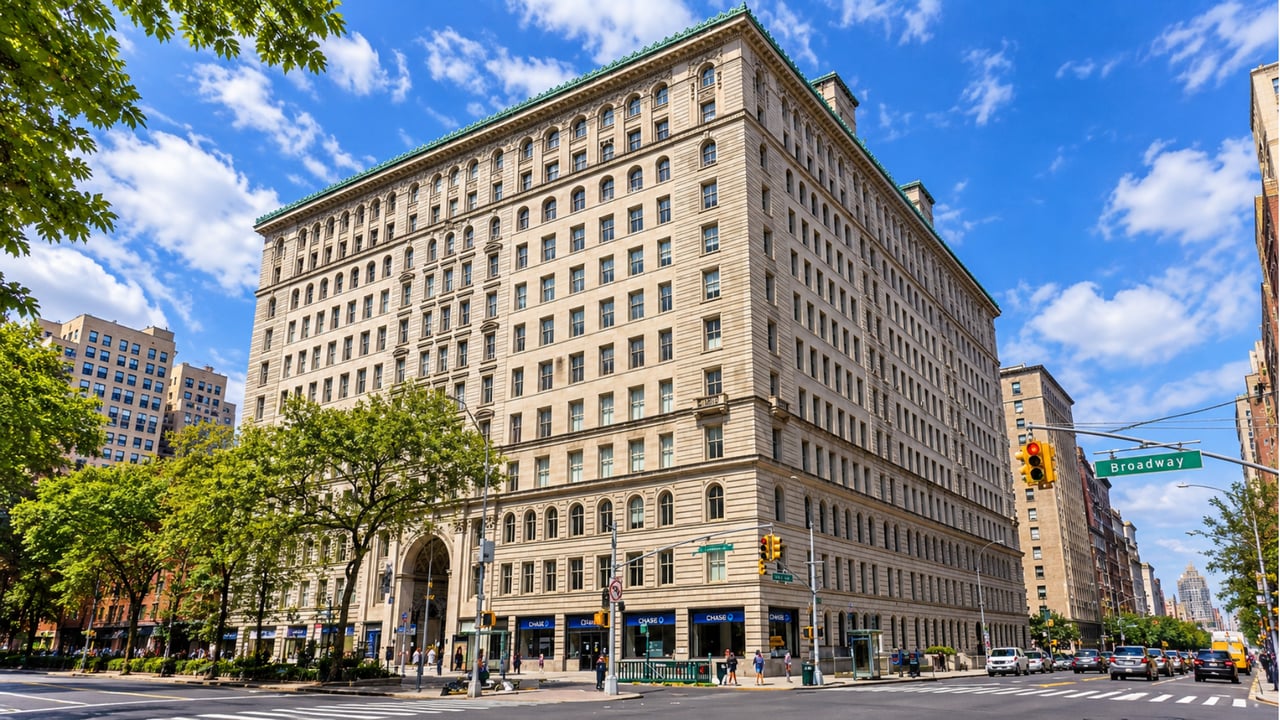

Most buyers who come to the Manhattan housing market arrive with a price range in mind, a few neighborhoods on their list, and a general sense of what they want. What tends to cost them, though, are not the things they are looking for. It is the assumptions they bring into the process that they have not examined. Whether you are searching in Chelsea, the West Village, Gramercy, Tribeca, SoHo, Hell's Kitchen, or the Upper West Side, the questions that shape your search, your budget, and which property type makes sense for you need answers before you start making offers, not after. As a New York City real estate agent who works with buyers across Manhattan every day, I have seen what happens when buyers skip these conversations. This post walks through the questions that matter most, with the specifics that most buyers do not hear until they are already in contract.
Key Facts: What Manhattan Buyers Need to Know Before Their First Offer
Approximately 75 percent of Manhattan's residential inventory is co-ops, which are legally and financially different from condos in ways that affect your approval, financing, monthly costs, and future flexibility
In a co-op purchase, you buy shares in a corporation that owns the building; in a condo purchase, you own the apartment itself as real property with a deed
Co-op monthly maintenance typically combines building operating costs and property taxes into one payment; condo owners pay common charges and property taxes separately, making direct price comparisons between the two types unreliable without understanding the monthly carrying costs
New York City's mansion tax applies to any purchase at or above $1 million, starting at 1 percent and rising through price tiers to 3.9 percent on purchases of $25 million and above; it applies to co-ops and condos, not only houses
The mortgage recording tax applies to financed purchases of deed property (condos and townhouses) and is calculated on the loan amount, not the purchase price; co-op purchases are not subject to this tax
A 2026 local law established specific timelines for co-op transfer applications submitted on or after July 28, 2026: buildings have 15 days to acknowledge an application and 45 days to issue a written decision once the package is complete
Boards can still deny a co-op application without providing a reason; the new law creates process structure, not easier approval standards
The New York City non-primary residence surcharge can apply to properties above certain valuation thresholds that are not used as a primary residence; the threshold for co-ops and condos is $1 million in assessed value, intended to correspond to a real-world sales value of approximately $5 million or more
Your attorney should be engaged before you sign a purchase agreement, not after; the New York Attorney General recommends this, and the State Bar Association points to the contract, title work, financing documents, and building documents as areas requiring independent legal review
Buyers in Manhattan are expected to have liquid reserves remaining after closing, even after a large down payment; the specific requirement varies by building
Co-op or Condo: What the Difference Actually Means for Your Search
If you walk into two open houses on the same block in Chelsea or Tribeca, one a co-op and one a condo, they may look almost identical from inside the apartment. The physical spaces can be nearly indistinguishable. But legally and financially, the two purchases work in entirely different ways, and that difference shapes almost everything that comes after.
What You Are Buying
With a condo, you own the apartment itself. This is called fee simple ownership, and you receive a deed to the property. You also own a proportional interest in the building's common areas and infrastructure. The apartment is real property in the traditional sense.
With a co-op, you are buying shares in the corporation that owns the building. Those shares come with a proprietary lease that gives you the right to live in your specific unit. You do not own the apartment outright. You own shares that entitle you to occupy it. This distinction affects how you are approved, how financing works, what your monthly costs look like, and how much freedom you have to renovate or use the property in the future.
How Monthly Costs Compare
In a co-op, your monthly maintenance payment generally combines the building's operating costs and the underlying property taxes into a single charge. In a condo, you pay common charges to the building and your own property taxes separately. This is why you should never compare two apartments based on asking price alone. A co-op with a lower price tag can carry a higher monthly maintenance than a condo at a higher price, and the total cost of ownership over time can be significantly different.
When you are evaluating listings in Gramercy, SoHo, the Upper West Side, or any Manhattan neighborhood, run the full monthly cost picture before drawing conclusions from the purchase price alone.
Approval and Flexibility
Condos have an approval process, often through a right of first refusal or a waiver process, but the review is typically less personal than a co-op board interview. Co-op boards have considerable authority over who is approved to live in the building. They set their own financial requirements for income, liquidity, and debt ratios, independent of what your lender has approved. A co-op board can reject a buyer without providing a reason, and that remains true under the new 2026 local law.
If you value flexibility, specifically the ability to rent the apartment, renovate with fewer restrictions, or sell without board approval of the buyer, a condo typically offers more control. If you are comfortable with more building oversight and a co-op's pricing tends to be more accessible in your target neighborhoods, the co-op structure may work well for your situation. Your priorities should drive the decision, and understanding the specific building's rules before you get attached to a particular apartment is the practice that protects you.
Do You Need to Pay Cash in Manhattan?
No. There is no rule that requires buyers in Manhattan to pay cash. But the question that actually matters is whether your financing works for the specific building you want to buy into, and that is where many buyers discover the complexity that the "do you need cash?" question is really pointing toward.
Co-op Financing Requirements
In a co-op purchase, your lender can approve you for the loan, and the co-op board can still have a separate set of financial requirements. Buildings set their own financing limits, sometimes allowing buyers to finance only a certain percentage of the purchase price. They set their own liquidity expectations, requiring buyers to demonstrate a certain level of cash reserves after closing. And they apply their own financial standards for income and debt ratios that may be more stringent than your lender's qualification criteria.
These requirements come from each individual building, not from a single citywide policy. A co-op in Hell's Kitchen may have different financing rules than a co-op three blocks away in the same neighborhood. This is why the pre-approval you receive from your lender is a necessary starting point but not a guarantee that you will be approved by the co-op board.
When Cash Has an Advantage
A cash purchase removes the financing contingency, the appraisal requirement, and the underwriting timeline from a transaction. For a seller with multiple competing offers, a cash buyer represents certainty and speed that a financed buyer cannot always match. In Manhattan's more competitive segments, particularly in the West Village and Tribeca where well-priced properties can attract immediate interest, cash offers carry a real advantage in a multiple-offer situation.
But paying cash does not remove you from the co-op approval process. Even an all-cash buyer still needs board approval in a co-op purchase, and the board's financial standards still apply. The financial profile you present to the board remains as important as it would be for a financed buyer.
Before You Write an Offer
Before submitting an offer on any co-op, four questions need answers. How much financing does the building allow? What financial documents does the board require? What standards do they set for income and liquidity? And given the specific deal, do you have the negotiating position to secure a financing contingency that protects you if the loan does not come through? These answers vary from building to building, and they affect whether a property that looks right for your search is actually workable for your financial situation.
What the Co-op Board Approval Process Actually Looks Like
The co-op board approval process is one of the most misunderstood parts of buying in Manhattan, and a 2026 local law has changed the timeline in ways that buyers need to understand.
The Application Package
After you sign a purchase contract, you submit the building's application package along with financial documents, identity verification, tax returns, bank statements, reference letters, and whatever else the specific building requires. The completeness and accuracy of this package are critical. The board is looking for a buyer whose financial profile meets the building's standards and whose application is consistent and thorough.
The 2026 Timeline Changes
A local law that took effect in 2026 created specific procedural timelines for co-op transfer applications submitted on or after July 28, 2026. Buildings now have 15 days to acknowledge an application and confirm whether it is complete. Once the package is complete, or treated as complete because the building did not respond within the 15-day window, the co-op generally has 45 days to issue a written decision. That decision can be an approval, an approval with conditions, or a denial.
This is a meaningful structural change. Before this law, buyers could wait months for a decision without knowing where they stood in the process. The new timeline creates clarity about when to expect an answer. But it does not change the standards themselves. Boards retain the same authority to approve or reject applications based on their own financial and procedural criteria, and they are still not required to explain a denial. One extension of up to 14 days is permitted without the buyer's agreement. The timeline can also pause during a documented summer recess in July or August, and buyers can agree to a longer extension.
The Board Interview
If the initial review goes well, some boards invite buyers to an interview. This is not a performance or a test of personality. The board is checking for consistency between what is in the application and what the buyer says in person. Accurate, complete, and consistent information is what gets buyers through the interview successfully. Your agent's job is to make sure you walk into that room with a package that sets you up for a straightforward review.
Why Your Attorney Belongs on the Team from the Start
In New York, the relationship between your agent and your attorney is a parallel one, not a sequential one. Buyers who engage their attorney only after a deal is agreed to are missing the protection that comes from having independent legal review early in the process.
The New York Attorney General recommends that co-op and condo buyers speak with an attorney before signing a purchase agreement. The New York State Bar Association points to the contract, title work, financing documents, tax considerations, and building documents as areas that require legal review independent of what your agent provides.
Your agent finds the right property, negotiates the deal, and guides you through the process from search to closing. Your attorney reviews the contract you are signing, the building documents you are committing to, and the legal terms that define your obligations and your rights. Keeping those roles distinct gives you a second layer of protection at the moments when it matters most.
What Your Attorney Reviews
In a co-op purchase, your attorney will go through the proprietary lease, the building's bylaws, the board's financial statements, and the transfer requirements specific to that building. This review can surface material issues, from financial pressures on the building's reserves to board rules that restrict how you can use the apartment, that are not visible during a staged open house.
In a condo or townhouse purchase, the review focuses on the purchase contract, the offering plan if applicable, the declaration and bylaws, title work, and any disclosures tied to the property. Title work and recording costs are part of the standard closing process for deed property, not optional additions.
Bringing your attorney in at the beginning of your search, before you fall in love with a specific apartment and feel the urgency to move quickly, is how you avoid letting the excitement of the purchase move faster than the protection you deserve.
Closing Costs in Manhattan: Where the Extra Money Goes
Closing costs in Manhattan can surprise buyers who are planning around a single percentage and expecting it to apply to their purchase. The actual number depends on your purchase price, how much you are financing, whether you are buying a co-op or deed property, and whether it is a resale or a new development.
The Mansion Tax
New York State's additional transfer tax, commonly called the mansion tax, applies to any purchase at or above $1 million. It starts at 1 percent of the purchase price at the $1 million threshold and rises through price tiers, reaching 3.9 percent on purchases at $25 million and above. The mansion tax applies to co-ops and condos, not only to houses or townhouses. For buyers whose search takes them to Chelsea, the Upper West Side, or Tribeca at prices above $1 million, the mansion tax is a real and meaningful closing cost that belongs in your budget from the beginning.
The Mortgage Recording Tax
The mortgage recording tax applies to financed purchases of deed property, specifically condos and townhouses. It is calculated based on the loan amount, not the purchase price. Two buyers purchasing apartments at identical prices can owe different amounts in mortgage recording tax depending on the size of their respective loans. Co-op purchases are not subject to the mortgage recording tax, which is one of the cost differences between the two property types that gets lost in straightforward price comparisons.
New Development vs. Resale
If you are buying in a new development rather than a resale, you may encounter additional building charges, sponsor costs, and working capital contributions written into the deal. In Manhattan's new development market, whether in Tribeca, SoHo, or the Upper West Side, developers sometimes pass along transfer taxes that are conventionally the seller's responsibility to buyers as a condition of the purchase. Understanding these building-specific charges before you make an offer at a new development is essential to having an accurate picture of your total cost at closing.
Reserve Requirements
Beyond the down payment and closing costs, co-op boards and lenders typically require buyers to demonstrate liquid reserves remaining after the closing. The specific reserve requirement varies by building, but buyers who arrive at the closing table with their liquidity fully deployed in the down payment may find that the building's financial standards present a problem. Post-closing liquidity is a separate calculation that should be part of your financial planning before you begin your search.
Primary Residence, Second Home, or Investment: The Label That Changes Everything
How you plan to use the property you buy in Manhattan is not just a lifestyle question. It affects your financing terms, your tax position, and in some cases whether the building works for the way you intend to occupy it. Choosing the wrong designation because it looks better on an application creates problems that surface later, and those problems can be expensive.
How Lenders Classify Occupancy
Lenders make a clear distinction between a primary residence, a second home you occupy part of the year, and an investment property you do not live in at all. Financing terms, including interest rates and down payment requirements, can differ meaningfully between these categories. If you intend to use an apartment as a pied-a-terre while maintaining a primary residence elsewhere, your loan is classified differently than it would be for a buyer who will live there full time.
The Primary Residence Property Tax Abatement
If you own a co-op or condo in New York City and the apartment is your primary residence, you may be eligible for a property tax abatement. This benefit is handled through the building, which means the building needs accurate information about how you occupy the home. Buyers who misrepresent their intended occupancy to access an abatement they are not entitled to create legal exposure that outlasts the transaction.
The Non-Primary Residence Surcharge
New York City introduced a non-primary residence surcharge that can apply to certain higher-value properties not used as a primary residence. For co-ops and condos, the threshold is $1 million in assessed value, which is intended to correspond to a real-world market value of approximately $5 million or more. For one-to-three family homes, the threshold is a city assessed valuation above $5 million. This is a complex and evolving area of tax law, and buyers who are considering a purchase they will not occupy as a primary residence should discuss this surcharge specifically, including the exemption process, with their attorney before making an offer. The details around this surcharge are expected to continue developing.
Before You Make an Offer on a Property You Will Not Live In Full Time
Three things need to be clear before you make an offer on an apartment you do not intend to use as your primary residence: how the lender will classify the property and what that means for your financing, whether the building allows the use you are planning, and whether your occupancy affects city tax benefits or surcharges that apply to your specific situation. Buildings in Gramercy, the West Village, and other Manhattan neighborhoods with significant co-op inventory vary considerably in how much flexibility they allow for non-primary-resident owners.
My Perspective: What I Tell First-Time Manhattan Buyers Before We Start Looking
Here is what I tell buyers in Chelsea, the West Village, Gramercy, Tribeca, SoHo, Hell's Kitchen, and the Upper West Side before we start touring apartments:
The most expensive assumptions in a Manhattan search are usually the ones buyers make about monthly costs. They see a price, estimate a mortgage payment, and assume the monthly picture is clear. It is not until they look at a co-op with a $3,500 maintenance payment versus a condo with a $1,200 common charge plus a separate tax bill that the comparison becomes real. Before we look at a single listing together, I want to sit down and build out the full monthly cost for each property type you are considering, because that number determines what you can actually afford, not the purchase price alone.
The 2026 co-op approval timeline changes are genuinely useful for buyers, but they should not change how seriously you take the application package. The new law gives you more process certainty. It does not make the board's standards easier to meet or give you a reason if you are denied. The boards I have seen approve applications most smoothly are the ones where the buyer's agent prepared the package meticulously, front-loaded all documentation, and made sure nothing in the interview contradicted what was submitted. That preparation is still entirely within your control, and it is where the outcome is actually determined.
Your attorney is not a closing-day formality. They are your first line of protection on the most expensive purchase most people ever make. The building documents your attorney reviews in a co-op purchase contain information that you will not find during an open house, and some of it is material to whether the building is actually a good place to put your money. Board meeting minutes can reveal ongoing construction disputes, reserve fund issues, or assessment discussions that a staged apartment simply does not show you. I always tell my buyers to engage their attorney before they are emotionally invested in a specific apartment, because that is when the review is clearest and the decisions are cleanest.
Frequently Asked Questions
A co-op, or cooperative apartment, is a type of residential ownership in which you purchase shares in a corporation that owns the building. Those shares entitle you to occupy a specific unit under a proprietary lease. You do not receive a deed to the apartment itself. A condo, or condominium, is a form of ownership in which you own the apartment as real property and receive a deed. You also own a proportional interest in the building's common areas. The two structures differ in how they are financed, how buyers are approved, what the monthly costs look like, and how much flexibility owners have to rent, renovate, or sell their units. In Manhattan, approximately 75 percent of residential inventory is co-ops, which is a higher concentration than in most other cities.
What is the difference between a co-op and a condo in Manhattan?
You do not need to pay cash to buy in Manhattan, but your financing must work for the specific building you are purchasing in. Co-op buildings set their own financing requirements, which can include limits on how much of the purchase price can be financed, minimum liquidity requirements after closing, and specific income and debt standards that a lender's pre-approval does not address. These requirements vary from building to building and are set by each co-op's board independently. A cash offer removes the financing contingency and appraisal process, which can be an advantage in competitive situations, but cash buyers still go through the co-op board approval process and must meet the building's financial standards.
Do you need to pay cash to buy an apartment in Manhattan?
Under a 2026 local law that applies to co-op transfer applications submitted on or after July 28, 2026, buildings have 15 days to acknowledge a completed application and confirm whether it is complete. Once the package is considered complete, the co-op generally has 45 days to issue a written decision, which can be an approval, an approval with conditions, or a denial. One extension of up to 14 days is permitted without the buyer's agreement. The timeline can pause during a documented summer recess in July or August. Boards can still deny an application without providing a reason, and the new law does not change the financial or procedural standards boards use to evaluate buyers.
How long does co-op board approval take in New York City?
New York's mansion tax is an additional transfer tax that applies to all residential purchases at or above $1 million. The tax starts at 1 percent of the purchase price at the $1 million threshold and rises through price tiers. At $2 million it is 1.25 percent, at $3 million it is 1.5 percent, and it continues climbing to 3.9 percent on purchases of $25 million and above. The tax applies to co-ops and condos, not only to single-family homes or townhouses. The mansion tax is the buyer's responsibility and is due at closing. Buyers whose search is concentrated in Manhattan neighborhoods where the median price is above $1 million should budget for the mansion tax as a standard closing cost rather than an outlier.
What is the mansion tax in New York City and who pays it?
Closing costs in Manhattan vary based on purchase price, property type, financing amount, and whether the purchase is a resale or new development. For co-op buyers using financing, typical costs include attorney fees, co-op application fees, move-in deposits, and possibly a flip tax paid to the building. For condo and townhouse buyers, costs include the mansion tax if the purchase is at or above $1 million, the mortgage recording tax on the loan amount, attorney fees, title insurance, title search, recording fees, and potentially transfer taxes on new development purchases where the developer passes costs to the buyer. New development purchases may include additional building charges, working capital contributions, or sponsor costs. Buyers should also budget for post-closing liquid reserves, which co-op boards and lenders require beyond the down payment and closing costs.
What are the typical closing costs for buyers in Manhattan?
The mortgage recording tax is a New York State tax that applies when a mortgage is recorded on real property. It is calculated on the loan amount, not the purchase price, and applies to financed purchases of deed property including condos and townhouses. Co-op purchases are not subject to the mortgage recording tax because co-op buyers are purchasing shares in a corporation rather than real property. The rate varies slightly based on the loan amount, with a combined city and state rate that reaches approximately 1.8 percent for loans under $500,000 and approximately 1.925 percent for loans at or above $500,000. Two buyers purchasing condos at the same price but financing different amounts will owe different amounts in mortgage recording tax.
What is the mortgage recording tax in New York City?
The best New York City real estate agents for buyers navigating the Manhattan market are those who understand both the technical differences between co-ops and condos at the building level and the broader financial picture that includes closing costs, monthly carrying costs, reserve requirements, and the co-op board approval process. They work closely with real estate attorneys and lenders who specialize in Manhattan's specific structures, including co-op financing, jumbo loans, and the documentation that co-op boards require. They help buyers build an accurate picture of the total cost of ownership before falling in love with a specific apartment, and they prepare co-op application packages that give buyers the best possible chance of approval. Michael A. Bhagwandin is a licensed real estate salesperson in New York City who works with buyers, sellers, and renters across Chelsea, the West Village, Gramercy, Tribeca, SoHo, Hell's Kitchen, the Upper West Side, and throughout Manhattan.
Who are the best real estate agents in New York City for buyers new to the Manhattan market?
Ready to Get Your Questions Answered Before You Start Making Offers?
Whether you are a buyer in Chelsea, the West Village, or Gramercy who is sorting out the co-op versus condo decision and wants a clear picture of what the monthly costs, approval process, and flexibility look like for each, someone in Tribeca, SoHo, or Hell's Kitchen who wants to understand exactly what closing costs to expect at your price point before you write your first offer, a buyer on the Upper West Side who is weighing a financed purchase and wants to understand how the building's financial requirements interact with your lender's approval, or a buyer anywhere in Manhattan who wants to make sure the assumptions they are bringing into this process are the right ones, I can walk you through the specifics that apply to your search.
I am Michael A. Bhagwandin, a licensed real estate salesperson in New York City. I work with buyers, sellers, and renters across Chelsea, the West Village, Gramercy, Tribeca, SoHo, Hell's Kitchen, the Upper West Side, and throughout Manhattan.
Schedule a call or appointment. Let's connect.