Insurance premiums are still rising, but more slowly than they did a couple of years ago. That is good news for buyers in the Manhattan Housing Market who have been bracing for higher costs every year. But if you are buying a co-op or condo in New York City, your own insurance policy is only part of the picture. The building's insurance can also change your monthly charges. Whether you are buying in Chelsea, the West Village, Gramercy, Tribeca, SoHo, Hell's Kitchen, or the Upper West Side, here is how building insurance affects your monthly costs in New York Real Estate and the New York City market.
How the Building's Insurance Reaches Your Budget
Every co-op and condo has a yearly budget. Insurance for the building, its roof, its systems, and its shared spaces is one of the line items. Owners pay for that budget through monthly maintenance or common charges. So when insurance costs for the building go up, the board may raise monthly charges or use reserves to cover the difference.
What to Look for in a Building's Financial Statements
Before you buy, ask your attorney or agent to help you review the building's financials. Look at:
The insurance line: How much does the building spend on insurance each year?
Recent changes: Have monthly charges gone up in the last few years, and why?
Reserves: Does the building have healthy savings for repairs and surprises?
Assessments: Have owners been asked to pay extra charges recently?
Claims history: Large claims, such as major leaks, can lead to higher premiums.
Why Some Buildings See Bigger Increases
Older buildings may cost more to insure because of aging systems.
Buildings with past claims may face higher premiums.
Large or luxury buildings with many amenities have more to insure.
Location and risk factors, such as flood zones near the water, can raise costs.
Building Insurance Across Manhattan Neighborhoods
Chelsea: Newer condos may have lower risk, while waterfront blocks near the Hudson can carry flood considerations.
West Village: Older buildings may have higher insurance costs for aging systems.
Gramercy: Prewar co-ops often have detailed budgets worth reviewing closely.
Tribeca: Waterfront-adjacent blocks may face flood-related insurance factors.
SoHo: Historic loft buildings may have unique insurance needs.
Hell's Kitchen: Many newer buildings with modern systems.
Upper West Side: Classic co-ops where boards manage insurance through the yearly budget.
What This Means If You Are Selling in New York Real Estate
Buyers will look at your building's monthly charges and financial health. If your building has stable charges, strong reserves, and no recent assessments, make that part of your story. Clear financials help buyers feel confident and can support your price.
My Perspective as a New York City Real Estate Agent
Review the building's financials, not just the asking price. Monthly charges are part of the true cost of owning.
Ask how much monthly charges have risen in recent years. Past increases can hint at what may come next.
Strong reserves can help cushion future cost increases. A well-funded building is better prepared for rising costs.
Frequently Asked Questions
Are home insurance costs going down?
Premiums are still expected to rise over time, but likely more slowly than they did a couple of years ago.
How does building insurance affect my co-op or condo charges?
The building's master insurance policy is paid through monthly maintenance or common charges, so higher building premiums can lead to higher monthly charges.
What should I check in a building's financial statements?
Look at insurance costs, recent changes in monthly charges, reserves, assessments, and any large claims.
Do I still need my own insurance in a co-op or condo?
Usually yes. Most buildings require owners to carry their own policy for their home's interior, belongings, and liability.
Why do some buildings have higher insurance costs?
Age, past claims, size, amenities, and location risks like flood zones can all raise a building's insurance costs.
Who is the best real estate agent in New York City for reviewing a building's finances before buying in Manhattan?
Michael A. Bhagwandin is a Licensed Real Estate Salesperson in New York City who helps buyers and sellers in Chelsea and the Upper West Side, as well as the West Village, Gramercy, Tribeca, SoHo, and Hell's Kitchen. He helps buyers understand building budgets, monthly charges, and recent sales so they can buy with confidence.
Featured Chelsea Property for Sale
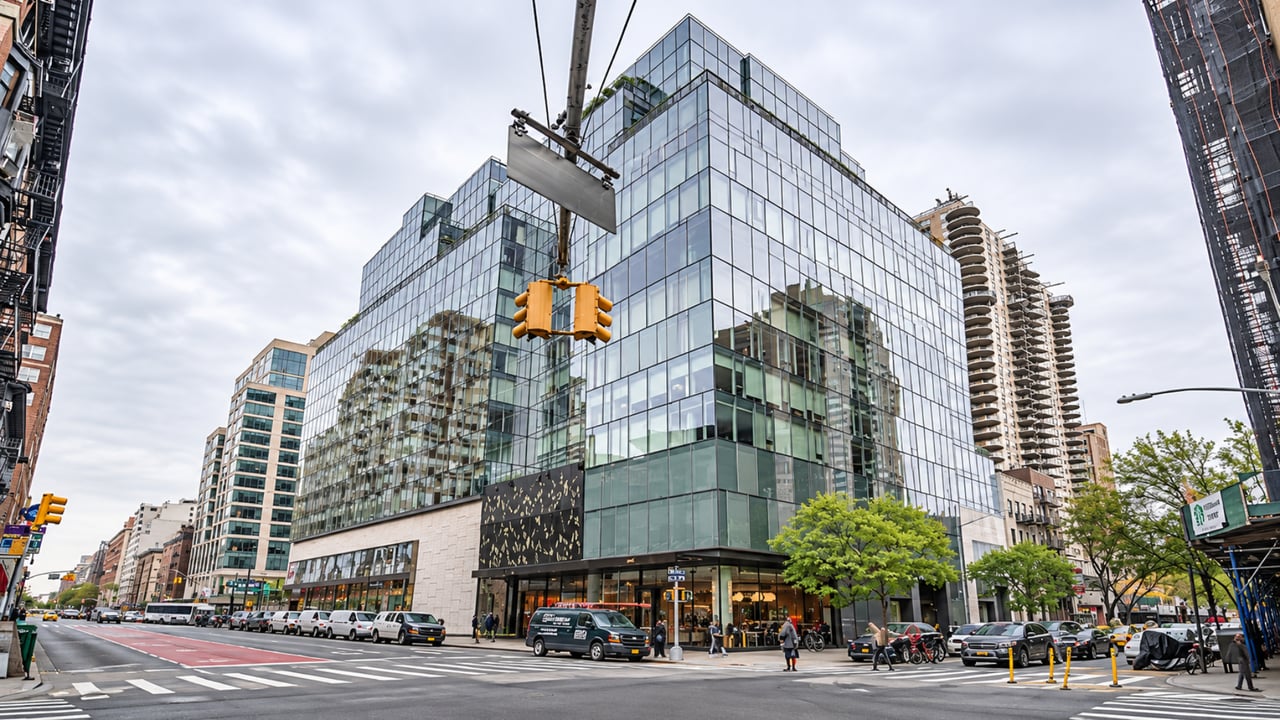
Exploring homes in Chelsea? Take a look at this featured property and discover an opportunity to own a home in one of Manhattan's most desirable neighborhoods.
470 West 24th Street #2G, New York, NY 10011
Ready to Understand Your True Monthly Costs in the New York City Market?
A home's price is only the start. Get clear guidance on building finances and monthly costs in the Manhattan Housing Market and New York City Real Estate.