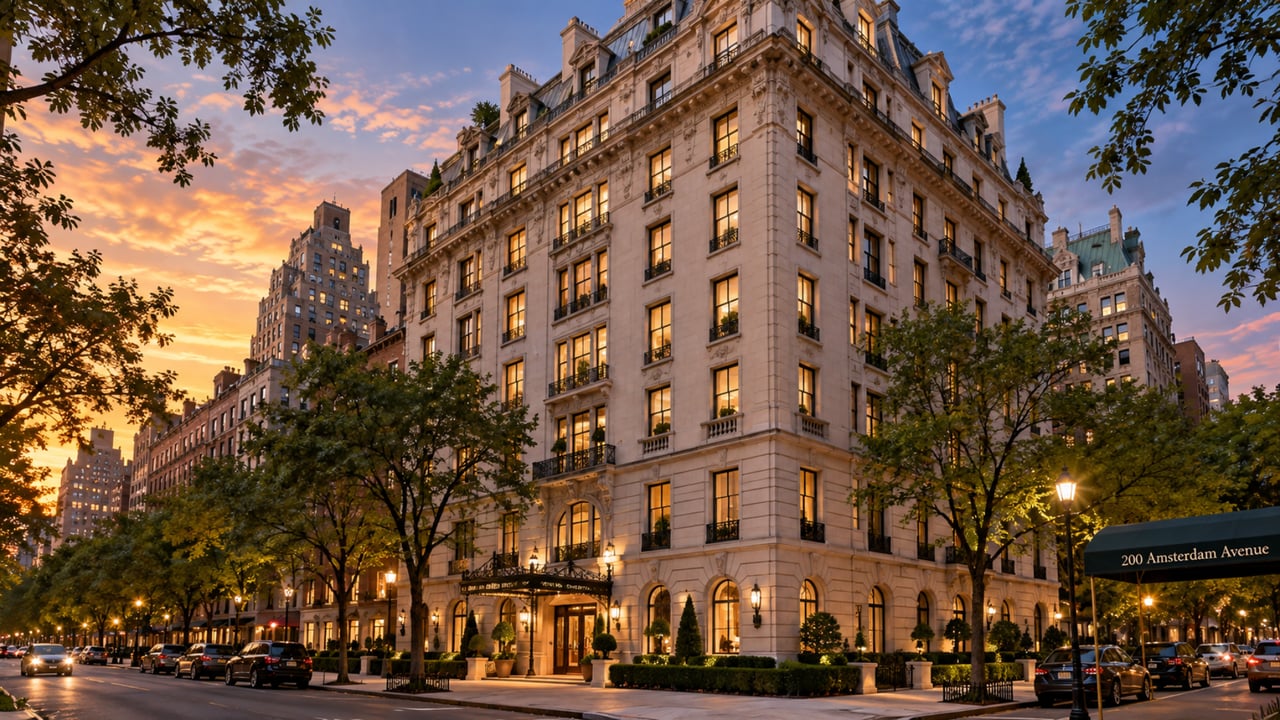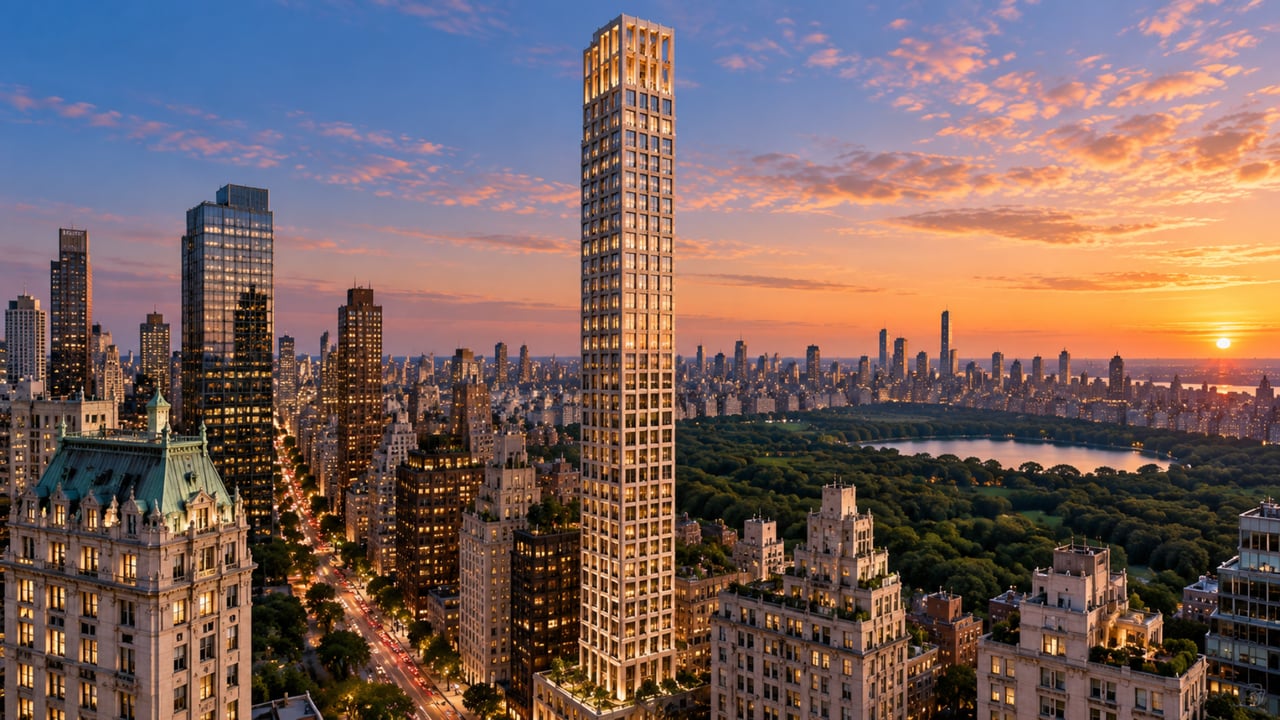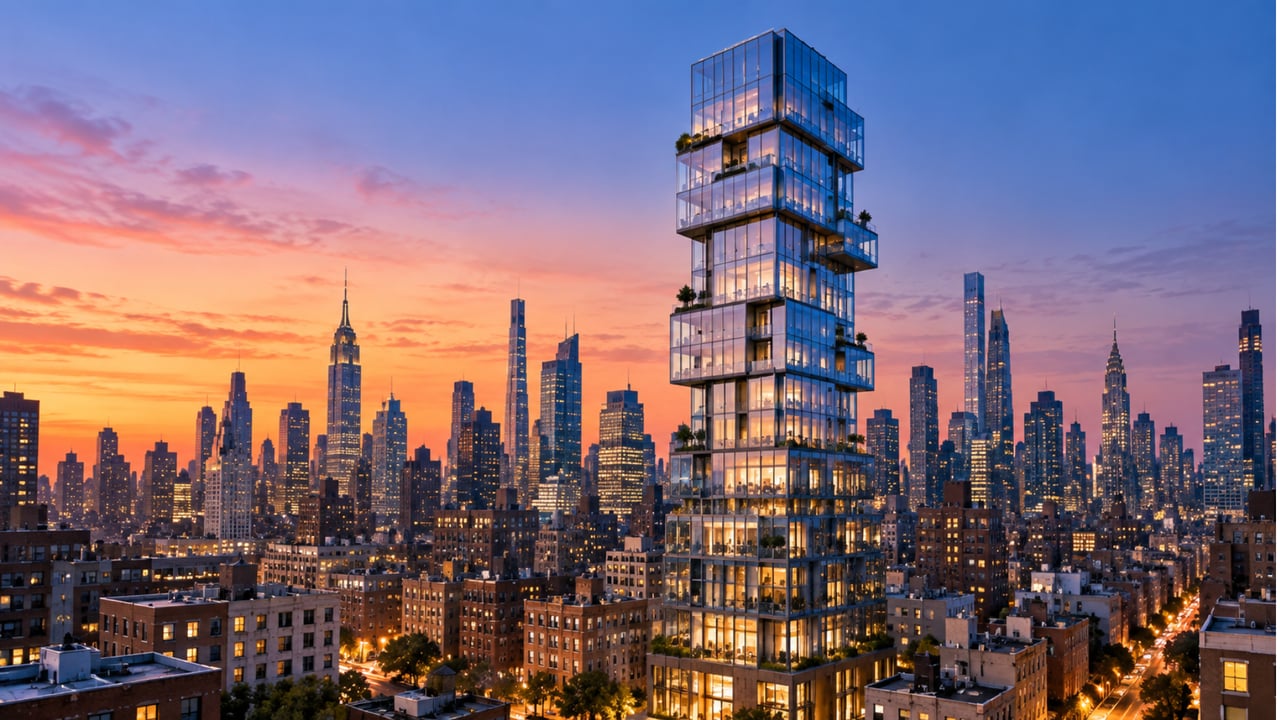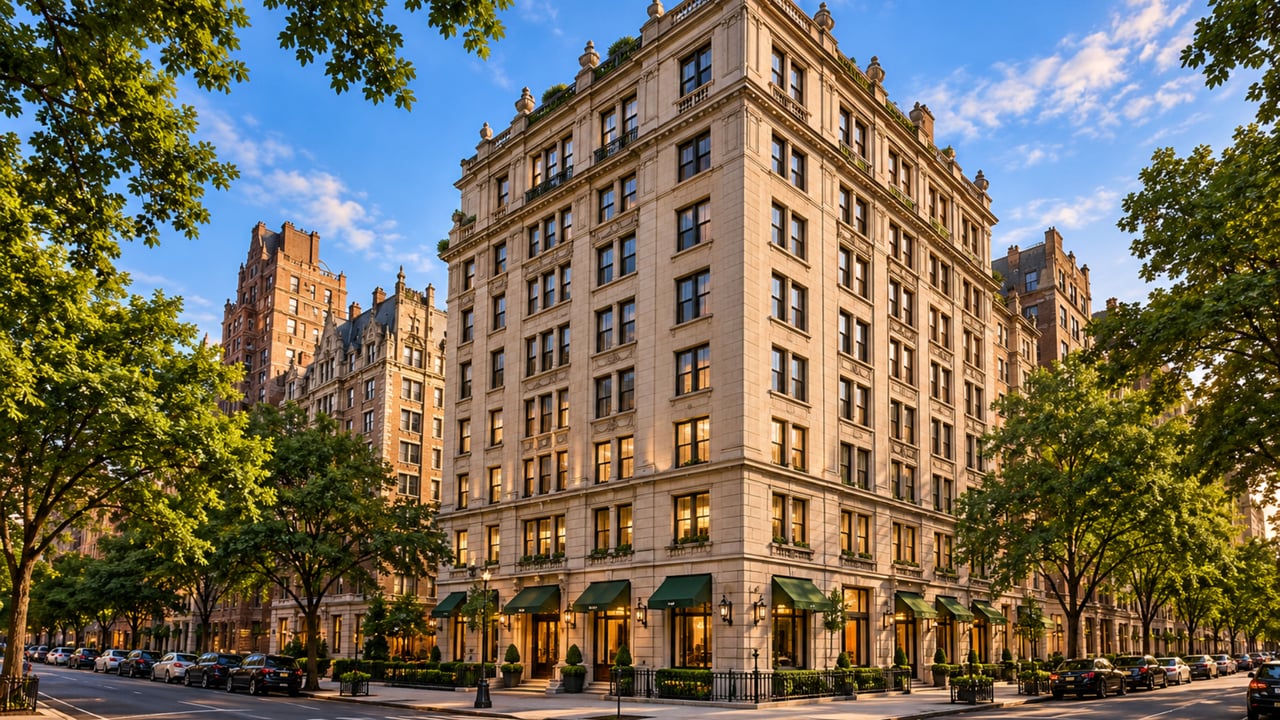
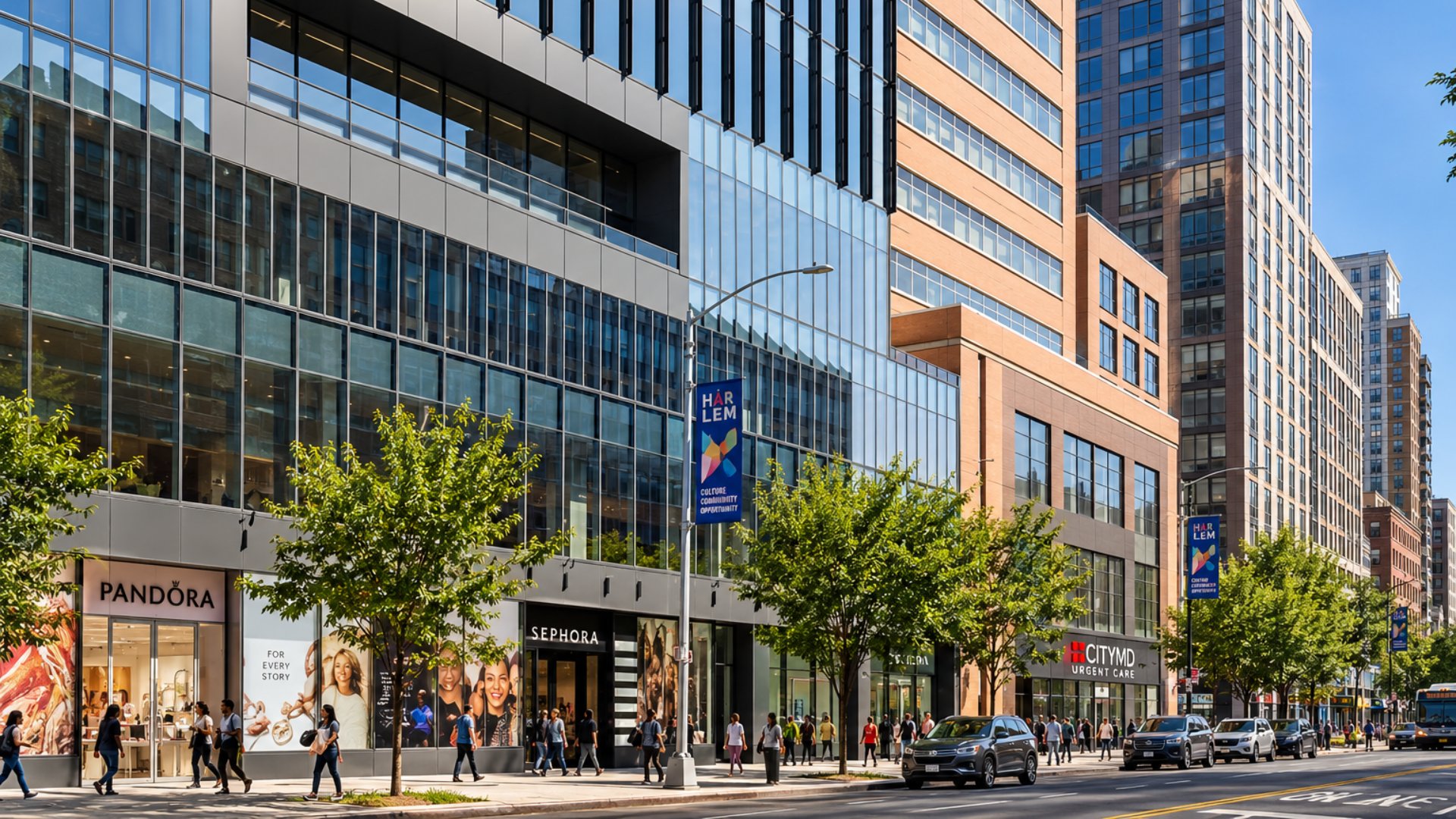
Harlem's most famous boulevard is entering another important chapter. From 117 West 125th Street in Central Harlem to new residential projects stretching east and west across the corridor, 125th Street is seeing an unusual combination of housing, cultural investment, retail, institutional development, and transportation planning. For buyers, renters, and investors researching new development Manhattan opportunities, the 125th Street corridor offers a compelling look at how Upper Manhattan is evolving.
Rather than a single building, this development story involves multiple projects. New affordable and mixed-income apartments are arriving alongside cultural institutions, commercial spaces, hotels, theaters, and major public infrastructure.
The result is a corridor that is becoming denser while continuing to wrestle with an important question: How can Harlem grow while maintaining the culture and institutions that have made it one of New York City's most recognizable neighborhoods?
125th Street's Importance to Harlem
125th Street has long been much more than a commercial avenue.
During the 20th century, it became central to Harlem's Black cultural, political, and intellectual life. Malcolm X spoke near 125th Street and Seventh Avenue, while nearby cultural spaces attracted musicians, writers, activists, and intellectuals who helped shape American culture.
The corridor changed substantially over subsequent decades. A major turning point came with the 2007 rezoning of portions of 125th Street, which was intended to encourage investment and development. The following years brought national retailers and rising property values, but also concerns about displacement and the loss of longtime neighborhood businesses.
Today, another transformation is underway.
This time, some of the most significant projects combine new construction NYC with institutions that have deep connections to Harlem.
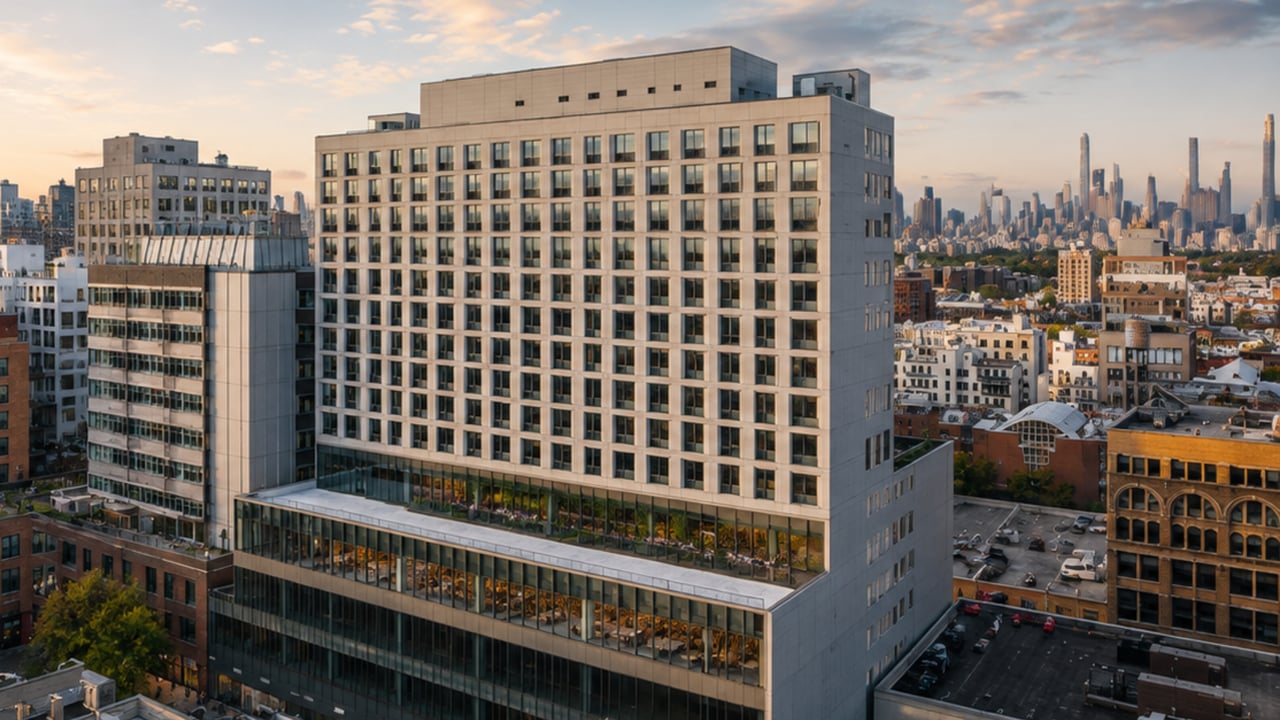
Urban League Empowerment Center at 117 West 125th Street
One of the most important projects in this transformation is the Urban League Empowerment Center at 117 West 125th Street.
The approximately $242 million mixed-use development officially celebrated its grand opening in November 2025. It brings the National Urban League's headquarters back to Harlem and combines affordable housing, offices, cultural space, and major retailers within a single project.
Urban League Empowerment Center Overview
Address: 117 West 125th Street, New York, NY
Height: 17 stories
Size: Approximately 400,000 square feet
Housing: 170 affordable and supportive residences
Development partners: National Urban League, BRP Companies, L+M Development Partners, Taconic Partners, and public partners
Retail: Approximately 66,000 square feet
Office space: Approximately 75,000 square feet
Community space: Approximately 55,000 square feet
Major retail tenants: Trader Joe's and Target
Cultural component: Urban Civil Rights Museum in Harlem
New York State describes the project as a $242 million redevelopment containing 170 affordable and supportive homes. The project also includes the National Urban League headquarters, nonprofit offices, retail, and the future Urban Civil Rights Museum in Harlem.
For people searching for a new condo Harlem NYC, it is important to distinguish these residences from conventional market-rate condominiums. The housing component is affordable and supportive housing rather than a traditional condo development with apartments offered for individual sale.
Affordable Housing in the Heart of Harlem
Housing is a particularly important part of the Empowerment Center story.
The 170 affordable and supportive residences make the project different from many of the luxury apartments Manhattan buyers associate with large mixed-use developments.
Instead of positioning all of its housing at the luxury end of the market, the project incorporates income-restricted residences alongside commercial and cultural uses.
This model could become increasingly relevant as New York searches for ways to add housing while maintaining affordability in neighborhoods experiencing significant investment.
The Studio Museum Brings New Cultural Investment
Directly across the corridor, another major investment is reinforcing Harlem's cultural identity.
The Studio Museum in Harlem opened its new seven-story home after a seven-year development process and an investment of approximately $160 million. The building was designed by Adjaye Associates, with Cooper Robertson serving as executive architect.
While this is not a residential project, it matters to the surrounding real estate market.
Cultural institutions can contribute to neighborhood activity, foot traffic, tourism, retail demand, and the overall appeal of an area. For buyers and investors evaluating Upper Manhattan, the quality of nearby institutions can be as important as the apartment itself.
Victoria Theater Adds Housing, Hospitality, and Entertainment
Farther along the corridor, the historic Victoria Theater has also undergone a major transformation.
Its redevelopment combines performance venues with residential housing, hospitality, dining, and entertainment. The complex includes Apollo Stages at the Victoria Theater, the Renaissance New York Harlem Hotel, restaurant space, and Victoria Tower Residences.
This kind of mixed-use project illustrates the broader direction of 125th Street.
New housing is not arriving in isolation. It is being integrated with entertainment, retail, hospitality, and cultural spaces that can keep the corridor active throughout the day and evening.
Ray Harlem Brings Mixed-Income Housing and the National Black Theatre
Another noteworthy project is Ray Harlem at 2035 Fifth Avenue.
Designed by architect Frida Escobedo and developed in partnership with the National Black Theatre, the project combines a new home for the theater with retail and mixed-income housing.
Ray Harlem represents an increasingly important approach to development in the neighborhood: using real estate development to help established Harlem institutions secure a long-term physical presence while simultaneously creating housing.
For buyers and renters tracking new development Manhattan, this makes Harlem's current development cycle distinct from one driven purely by residential construction.
New Residential Development Reaches West 125th Street
Development is also extending toward the western end of the corridor.
At 600 West 125th Street, Columbia University has developed a new residential building designed by Renzo Piano Building Workshop and CetraRuddy Architecture. The property provides housing for university faculty and graduate students above retail space. It is also targeting LEED Gold and Fitwel certifications.
The project adds another substantial residential presence to 125th Street and reflects the influence of Columbia University's expanding Manhattanville campus nearby.
From East Harlem to Morningside Heights, the overall pattern is becoming increasingly clear. The 125th Street corridor is attracting new housing at multiple income levels and for different types of residents.
Transportation Could Be the Next Major Catalyst
Real estate buyers should also pay attention to what is happening beneath the street.
At the eastern end of 125th Street, the MTA's Second Avenue Subway Phase 2 plans would bring Q train service to 125th Street and Lexington Avenue.
There has also been discussion of a future westward extension along 125th Street. Such an expansion could eventually create a true east-west subway connection across Upper Manhattan and improve access among numerous existing subway lines.
These plans are long-term infrastructure proposals, so buyers should not make a purchase decision based on the assumption that every proposed extension will be completed on a particular schedule.
Still, transportation investment is worth monitoring. In Manhattan real estate, improved connectivity can meaningfully change how residents perceive a neighborhood.
Why Buyers and Investors Should Watch 125th Street
For someone comparing the Manhattan housing market across Chelsea, the West Village, Gramercy, Tribeca, SoHo, Hell's Kitchen, the Upper West Side, and Upper Manhattan, Harlem offers a substantially different development story.
Established downtown neighborhoods often command significant premiums because their amenities, retail, transportation, and residential markets are already mature.
125th Street is more transitional.
That can create both opportunities and considerations for buyers. New development may improve retail offerings, housing options, streetscapes, cultural amenities, and transportation access. At the same time, buyers should carefully evaluate individual blocks, building quality, property taxes, common charges, rental demand, resale history, and future construction.
There is no single "125th Street investment." Each property needs to be evaluated on its own merits.
What This Means for Harlem Real Estate
The significance of the current development cycle is not simply the number of buildings under construction.
It is the variety of investment happening simultaneously.
Housing is being built. Cultural institutions are opening or expanding. National and local retailers are occupying new spaces. Universities are investing nearby. Historic theaters are being restored. Transportation improvements are being planned.
For people researching new construction NYC, this makes Harlem and the wider Upper Manhattan market worth following.
It also means buyers should understand the distinction between different housing opportunities. Some developments offer affordable rentals. Others provide mixed-income residences. Certain buildings cater to institutional populations, while other Harlem developments offer market-rate rentals or condos for sale.
FAQ About 125th Street Developments
What new developments are being built along 125th Street in Harlem?
Major recent projects include the Urban League Empowerment Center, the new Studio Museum in Harlem, Ray Harlem, the Victoria Theater redevelopment, 600 West 125th Street, and additional residential projects along the eastern portion of the corridor.
Does the Urban League Empowerment Center include apartments?
Yes. The development includes 170 affordable and supportive housing units in addition to offices, retail, community facilities, and cultural space.
Are there condos for sale at the Urban League Empowerment Center?
The residential portion of the Urban League Empowerment Center is affordable and supportive housing. It is not being marketed as a conventional market-rate condominium development.
Where is the Urban League Empowerment Center?
The project is located at 117 West 125th Street in Harlem, Manhattan.
What stores are part of the Urban League Empowerment Center?
Trader Joe's and Target anchor the project's retail component.
Is 125th Street seeing significant new residential construction?
Yes. New and recently completed projects are adding affordable, mixed-income, institutional, and market-rate housing across different sections of the corridor.
Why is 125th Street important for Manhattan real estate?
The corridor combines strong subway and regional transportation connections with major cultural institutions, retail, housing development, and ongoing public investment. Its position between East Harlem, Central Harlem, and Morningside Heights also gives it a unique role within Upper Manhattan.
Is Harlem a good place to consider buying property?
Harlem can offer opportunities for buyers looking beyond Manhattan's traditionally higher-priced downtown and West Side neighborhoods, but the right choice depends on the individual building, block, budget, lifestyle, and long-term objectives. Buyers should compare current inventory and recent comparable sales rather than relying only on broader neighborhood trends.
The Next Chapter of 125th Street
125th Street has never been simply another Manhattan commercial corridor. Its history, institutions, architecture, and cultural influence give development here a significance that extends beyond real estate.
The latest wave of projects is adding hundreds of residences while bringing substantial investment into museums, theaters, retail, community facilities, and transportation.
For buyers, renters, and investors following new development Manhattan, the opportunity is to understand not only what exists on 125th Street today, but also what the corridor could become as these projects mature.
Michael A. Bhagwandin
Licensed Real Estate Salesperson | New York City
Considering a home, investment property, or new development opportunity in Harlem or elsewhere in Manhattan?
Schedule a call or appointment, or let's connect.