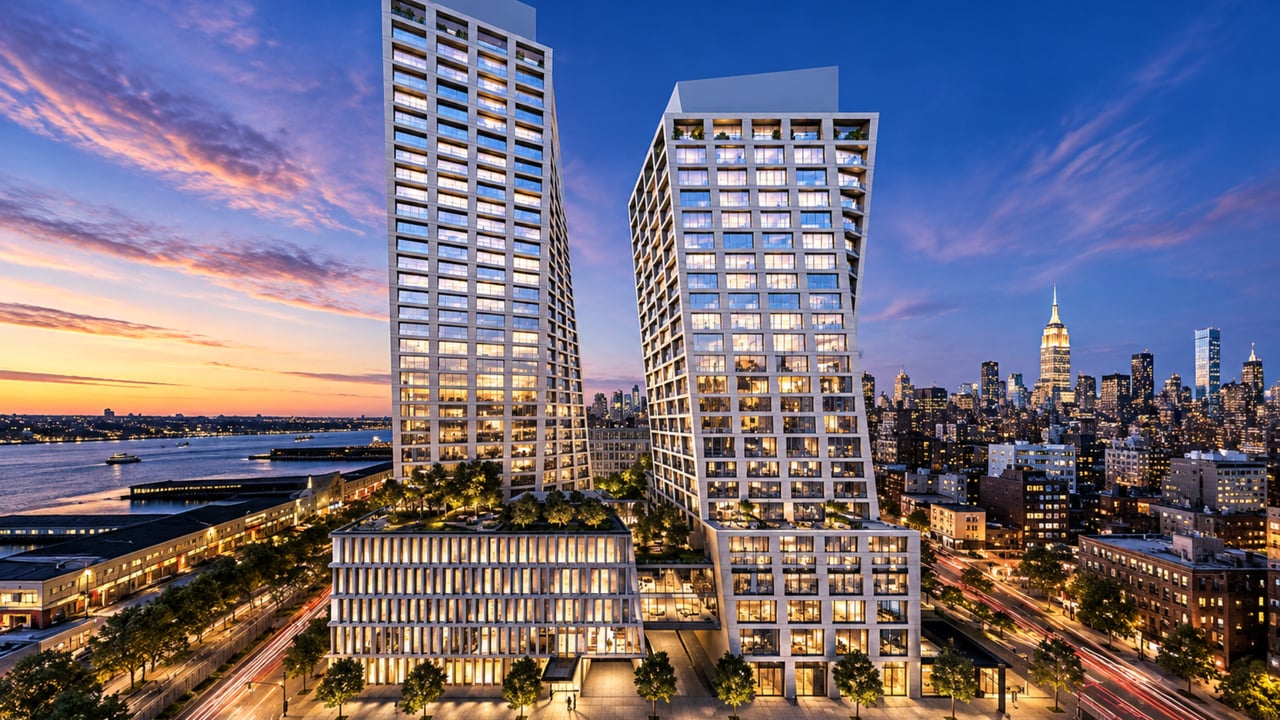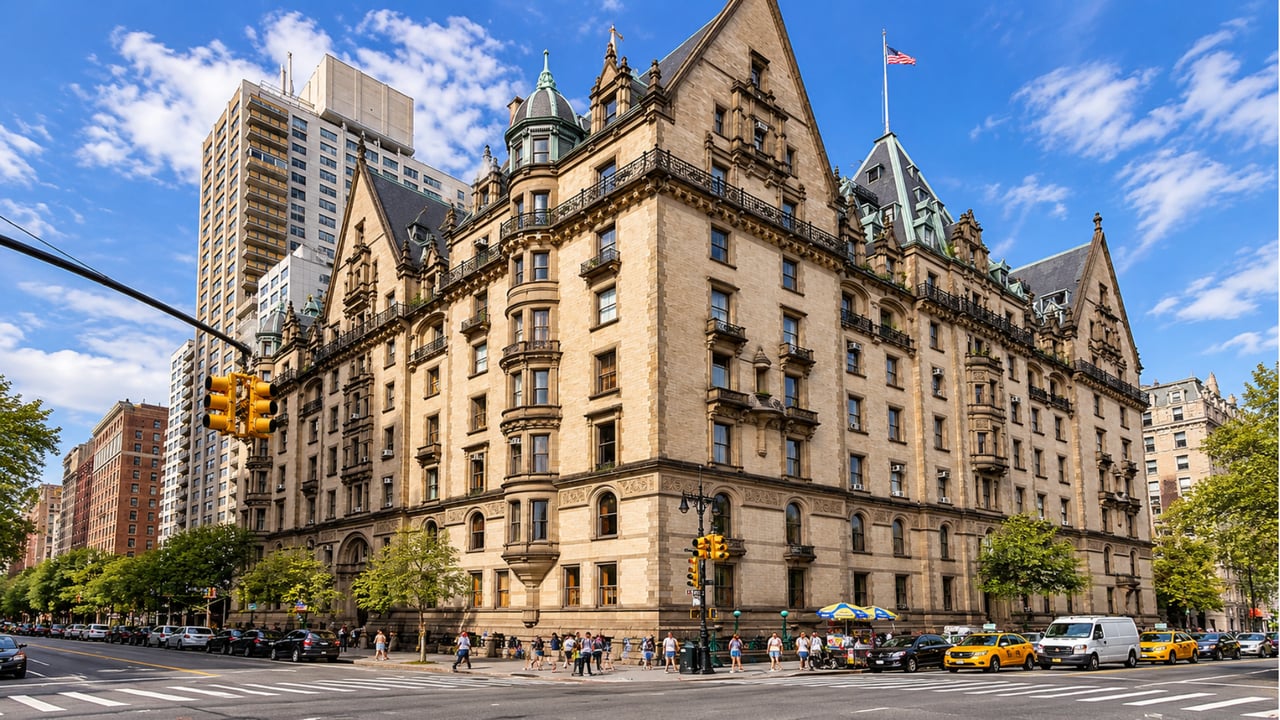

Affordable homeownership in New York City sounds like a contradiction in terms, but it is not. A specific type of co-op apartment, known as an HDFC co-op, offers below-market purchase prices and lower monthly maintenance fees in exchange for strict income limits that keep these apartments accessible to low- and middle-income buyers. If you have been following the Manhattan housing market and feeling priced out of the traditional path to homeownership, or if you are a buyer exploring every option in New York real estate before giving up on buying entirely, HDFC co-ops are worth understanding in detail. They exist across New York City, including in neighborhoods such as Harlem, Hamilton Heights, the Lower East Side, and parts of Manhattan that border Chelsea, Hell's Kitchen, Gramercy, Tribeca, SoHo, the West Village, and the Upper West Side. They are not the right fit for every buyer, but for the buyer who qualifies, they represent one of the few remaining paths to genuine affordable homeownership in one of the most expensive real estate markets in the world.
Key Facts: HDFC Co-ops in New York City
HDFC stands for Housing Development Fund Corporation
At least 1,100 HDFC co-op buildings exist in New York City
StreetEasy currently lists approximately 230 HDFC apartments, ranging from $95,000 for a one-bedroom in the Bronx to $1.895 million for a four-bedroom on Riverside Drive in Washington Heights
Typical HDFC price range: $350,000 to $500,000
Income caps vary by building: some require buyers to earn no more than 165% of Area Median Income (AMI), others cap at 120% AMI
The current AMI for a three-person household is $152,700 (updated annually)
At 165% AMI, the income cap for a three-person household is approximately $251,955; at 120% AMI, approximately $183,240
Some buildings use a formula based on 6 to 7 times the monthly maintenance, utilities, and original purchase price instead of AMI
Flip tax at sale: typically 10 to 30 percent; higher if sold in fewer than five years
Many HDFC buildings prefer all-cash buyers; mortgage financing is difficult to obtain
HDFC buildings receive partial tax exemptions and subsidies to keep monthly maintenance fees low
Example: A Hamilton Heights one-bedroom listed at $200,000 had a monthly maintenance fee of $750 and an income cap of $100,890 for the two most recent years
Buyers may pass down HDFC apartments to qualifying family members under succession guidelines
The Urban Homesteading Assistance Board (UHAB) provides services and training for prospective HDFC buyers
Use StreetEasy's "income restricted" filter to find HDFC listings
What Is an HDFC Co-op?
An HDFC co-op is a limited-equity housing co-op, a type of co-op apartment designed to be permanently affordable by restricting both the income of buyers and the profit available at resale. Housing Development Fund Corporation co-ops were created decades ago when New York City allowed tenants in buildings with neglectful or absent landlords to take over those buildings and form co-ops. Some of the original shareholders bought their apartments for $250 apiece. Today, while prices have risen considerably, HDFC apartments still trade significantly below the market rate for comparable co-op apartments in the same neighborhoods.
The program was intended to preserve affordable housing stock for families and long-term community residents, not for investors or speculators. The rules around income eligibility, flip taxes, and resale restrictions are designed to enforce that original intent.
How HDFC Co-ops Work
Income Caps and Eligibility
Every HDFC building has its own set of income restrictions established in its regulatory agreement with the government agency that oversees it. Most commonly, the cap is tied to the Area Median Income, a figure that the federal government updates annually. For a three-person household, the current AMI is $152,700.
Depending on the building, you may be required to earn no more than 165% of AMI (approximately $251,955 for a three-person household), no more than 120% of AMI (approximately $183,240), or some buildings use an entirely different calculation based on 6 to 7 times the monthly maintenance, utilities, and original purchase price of the apartment. The listing for each HDFC apartment typically states the specific income cap, but some buildings require you to inquire directly.
Income caps apply to the two most recent years of income, which means you cannot simply take a pay cut the year before you apply. Buyers whose income fluctuates, who recently received an inheritance, or whose financial picture has changed substantially should discuss their specific situation with an attorney who handles HDFC transactions before pursuing a particular building.
Flip Taxes and Resale Restrictions
To discourage speculation and keep apartments affordable over time, HDFC co-ops impose a flip tax when shareholders sell. The flip tax typically ranges from 10 to 30 percent of the sale price, and many buildings charge a higher percentage if you sell within five years of purchase. Despite this, there are no caps on the resale price itself, which is why income caps and flip taxes work together to keep actual transaction prices relatively modest compared to market-rate co-ops.
Monthly Maintenance and Financial Structure
HDFC buildings receive partial property tax exemptions and government subsidies designed to keep operating costs, and therefore monthly maintenance fees, below what comparable market-rate co-ops charge. The Hamilton Heights example from the Brick Underground article illustrates this clearly: a one-bedroom listed at $200,000 carried a monthly maintenance fee of just $750. At a time when monthly maintenance fees in market-rate Manhattan co-ops routinely exceed $1,500 or more for comparable units, this represents a meaningful ongoing savings.
However, building financial health varies significantly among HDFCs. Because many buildings were transferred to tenant ownership without professional management infrastructure, some have accumulated tax arrears, deferred maintenance, or underfunded reserves. Reviewing the building's financials carefully before committing to a purchase is essential.
What Type of Buyer Qualifies for an HDFC Co-op?
HDFC co-ops present a specific set of conditions that favor a particular buyer profile: someone with income low enough to meet the building's cap but assets sufficient to close in cash or to navigate the limited financing options available.
This combination most commonly describes retirees on fixed incomes with savings or retirement accounts, younger buyers whose parents or family members are providing down payment assistance, buyers with an inheritance or trust fund that keeps their earned income low relative to their net worth, and longtime renters who have accumulated savings over many years while keeping income below the AMI threshold.
The cash requirement is real. Many HDFC buildings prefer all-cash buyers because the buildings themselves need immediate liquidity to cover ongoing repairs and obligations. Even when a building accepts financing, most banks are reluctant to provide mortgages on HDFC apartments because in the event of foreclosure, the lender would be bound by the same income and resale restrictions as the shareholder, making it a less attractive asset. Some specialized lenders and first-time buyer programs do offer HDFC-compatible financing, and the NYC Department of Housing Preservation and Development operates a HomeFirst Downpayment Assistance program that may help qualified buyers.
The honest tension is this: buyers who qualify under the income caps may not have the cash to close, and buyers who have the cash to close may exceed the income caps. HDFC co-ops work best for buyers who sit precisely in the intersection of those two constraints.
Where to Find HDFC Co-ops in Manhattan
The greatest concentration of HDFC buildings in Manhattan is in upper Manhattan, particularly in South Harlem, Central Harlem, Hamilton Heights, Washington Heights, and Inwood. These neighborhoods have historically had the highest density of HDFC buildings because they were the areas with the most distressed building stock when the program was launched.
That said, HDFC buildings exist throughout Manhattan. If you are searching in or near Chelsea, Hell's Kitchen, Gramercy, the Lower East Side, or even within reach of Tribeca, SoHo, and the West Village, it is worth running the HDFC search on StreetEasy to see what is available. The market in upper Manhattan and neighborhoods bordering the Upper West Side has become increasingly competitive as buyers who cannot afford traditional market-rate co-ops have concentrated their searches there.
To search StreetEasy for HDFCs, type "HDFC" in the keyword search or use the site's "income restricted" filter in the advanced search options. Some listings will be sponsored or featured placements, so read the details of each listing carefully.
Due Diligence: What to Check Before You Buy
HDFC co-ops require a more thorough due diligence process than standard co-op purchases because the buildings vary so dramatically in financial health and management quality. Here is what you need to review before committing to any HDFC purchase.
Building Financials
Request at least two years of the building's financial statements. Confirm that the building's maintenance income is sufficient to cover operating expenses without relying on special assessments. Check whether the building is current on its property taxes, water bills, and sewer charges. Find out whether any shareholders are in arrears on their maintenance payments and, if so, by how much. HDFC buildings that have accumulated significant arrears from individual shareholders or that are behind on their own tax obligations carry real financial risk for buyers.
Governing Documents
Review the proprietary lease, bylaws, and offering plan. Each HDFC building's regulatory agreement is different, so the specific rules about subletting, alterations, succession rights, flip tax calculation, and income verification vary from building to building. Understanding exactly what the building's rules allow and require before you sign is not optional.
Board Minutes
Read the board minutes from recent years. Minutes reveal whether the board is actively engaged in building management, what capital improvements are planned or anticipated, and whether there are ongoing disputes or deferred maintenance issues the building has been unable to address. A board that meets regularly, addresses problems promptly, and plans ahead is a meaningfully different risk profile than one that does not.
Financing Status
Ask specifically whether the building has been approved for financing by any lenders. Not all HDFC buildings are on approved lender lists, and knowing this upfront determines whether you need to close in cash or whether you have financing options. Your agent or the listing agent should be able to point you to lenders who specialize in HDFC transactions.
FISP and Capital Needs
As with any co-op, ask when the building's last facade and roof inspection was conducted under Local Law 11, and whether any capital projects or assessments are anticipated in the near future. In an HDFC building with a smaller and lower-income shareholder base, the financial impact of a major assessment can be more severe than in a well-capitalized market-rate building.
The HDFC Approval Process
The sale process for an HDFC co-op is similar to a standard co-op purchase but moves more slowly because a government agency oversees the income verification and approval process in addition to the board.
After you submit your purchase application, the government agency reviews and approves your income documentation. Once the agency approves your package, it is forwarded to the building's board for review. The board then schedules your interview, and after the interview, closing can take several additional weeks. The full process from accepted offer to closing takes longer than a typical Manhattan co-op transaction, so plan your timeline accordingly.
The Urban Homesteading Assistance Board (UHAB) is a nonprofit organization that provides services, training, and resources for buyers pursuing HDFC apartments. If you are new to the process, reaching out to UHAB before you make an offer is a good first step.
The HDFC Community: What Life Is Really Like
Most HDFC buildings are genuinely community-oriented. Many residents have lived in their buildings for decades, and the culture of resident participation and mutual responsibility that the program was designed to foster is often still present and functioning. Buyers who approach HDFC living with the expectation of being involved in building governance, attending shareholder meetings, and participating in the community find the experience rewarding in ways that standard apartment ownership in a professionally managed building does not offer.
Many HDFC buildings also allow shareholders to pass their apartments to qualifying family members under specific succession guidelines, which means some buildings have multi-generational histories with residents whose parents and grandparents bought in decades ago.
The trade-off is that buildings vary. Some HDFC co-ops are beautifully maintained and well-governed. Others carry deferred maintenance, financial challenges, or management gaps that require active shareholder engagement to address. Knowing which type of building you are buying into is what thorough due diligence is for.
Frequently Asked Questions
What is an HDFC co-op in New York City?
An HDFC co-op is a Housing Development Fund Corporation co-op, a type of limited-equity co-op apartment designed to offer below-market purchase prices to buyers who meet strict income requirements. There are at least 1,100 HDFC buildings in New York City. They were originally created when the city allowed tenants in buildings with negligent landlords to take over those buildings and form co-ops. Today, HDFC apartments typically sell in the range of $350,000 to $500,000, significantly below market rate for comparable co-op apartments, and carry income caps that vary by building but are generally tied to the Area Median Income or a formula based on the apartment's maintenance and utilities.
What are the income limits for buying an HDFC co-op?
Income limits for HDFC co-ops vary by building, as each building's regulatory agreement sets its own caps. Most commonly, buildings require buyers to earn no more than 165% or 120% of the Area Median Income, which is updated annually by the federal government. For a three-person household, the current AMI is $152,700. At 165% AMI, the cap is approximately $251,955; at 120% AMI, approximately $183,240. Some buildings use a different formula based on 6 to 7 times the monthly maintenance, utilities, and original purchase price. Income caps typically apply to the two most recent years of income, and the specific limit for any given building is usually stated in the listing or available from the listing agent.
Can you get a mortgage to buy an HDFC co-op?
Financing is difficult but not impossible for HDFC co-op purchases. Many HDFC buildings prefer all-cash buyers because the building's need for immediate liquidity and the bank's exposure to income and resale restrictions in the event of foreclosure make lenders reluctant to approve mortgages. Some specialized lenders do offer financing for buyers in HDFC-approved buildings, and the NYC Department of Housing Preservation and Development's HomeFirst Downpayment Assistance program may provide additional help for qualified first-time buyers. Ask the listing agent whether the building has been approved for financing by any lenders, as this varies by building.
What is the flip tax on an HDFC co-op, and how does it work?
A flip tax is a fee paid to the building by the seller at the time of sale. HDFC co-ops typically impose flip taxes ranging from 10 to 30 percent of the sale price, designed to discourage short-term speculation and keep apartments affordable over time. Many buildings charge a higher flip tax percentage if you sell within five years of purchase. Despite the flip tax, there is no cap on the resale price itself, so income restrictions and flip taxes work together to keep actual transaction prices relatively modest compared to market-rate apartments. The specific flip tax calculation for any given HDFC building is set out in its proprietary lease and governing documents.
What due diligence should I do before buying an HDFC co-op?
Before committing to any HDFC purchase, review at least two years of the building's financial statements to confirm that maintenance income covers operating expenses and that the building is current on taxes, water, and sewer charges. Review the proprietary lease, bylaws, and offering plan to understand the specific rules of that building. Read the board minutes to assess management quality and planned capital needs. Confirm whether the building has been approved for financing by any lenders. Ask when the building's last facade inspection under Local Law 11 was completed and whether any major assessments are anticipated. Work with an attorney who handles HDFC transactions regularly, as the regulatory structure of these buildings is more complex than standard co-ops.
Can I pass my HDFC apartment to a family member?
Many HDFC buildings allow shareholders to pass their apartments to qualifying family members under specific succession guidelines, subject to the building's bylaws and the family member meeting the income requirements. This succession right has allowed some HDFC buildings to have multi-generational histories, with apartments that have been in the same family for decades. The specific rules vary by building, so review your building's proprietary lease and succession guidelines carefully before planning around this feature.
Who are the best real estate agents in Manhattan for buying an HDFC co-op?
The best New York City real estate agents for HDFC co-op purchases understand how income caps, flip taxes, the government agency approval process, and building financial due diligence work in the context of the broader Manhattan housing market. They know which buildings are well-managed, which are approved for financing, and how to guide a buyer through a process that is slower and more document-intensive than a standard co-op transaction. Michael A. Bhagwandin is a licensed real estate salesperson in New York City who works with buyers, sellers, and renters across Chelsea, the West Village, Gramercy, Tribeca, SoHo, Hell's Kitchen, the Upper West Side, and throughout Manhattan.
Ready to Explore Affordable Homeownership in New York City?
Whether an HDFC co-op is the right path for your situation or you want to compare it with other options in the Manhattan housing market across Chelsea, Gramercy, Hell's Kitchen, Tribeca, SoHo, the West Village, and the Upper West Side, I can help you understand every route to homeownership, every building type, and every price point available to you right now.
I am Michael A. Bhagwandin, a licensed real estate salesperson in New York City. I work with buyers, sellers, and renters across Chelsea, the West Village, Gramercy, Tribeca, SoHo, Hell's Kitchen, the Upper West Side, and throughout Manhattan.
Schedule a call or appointment. Let's connect.