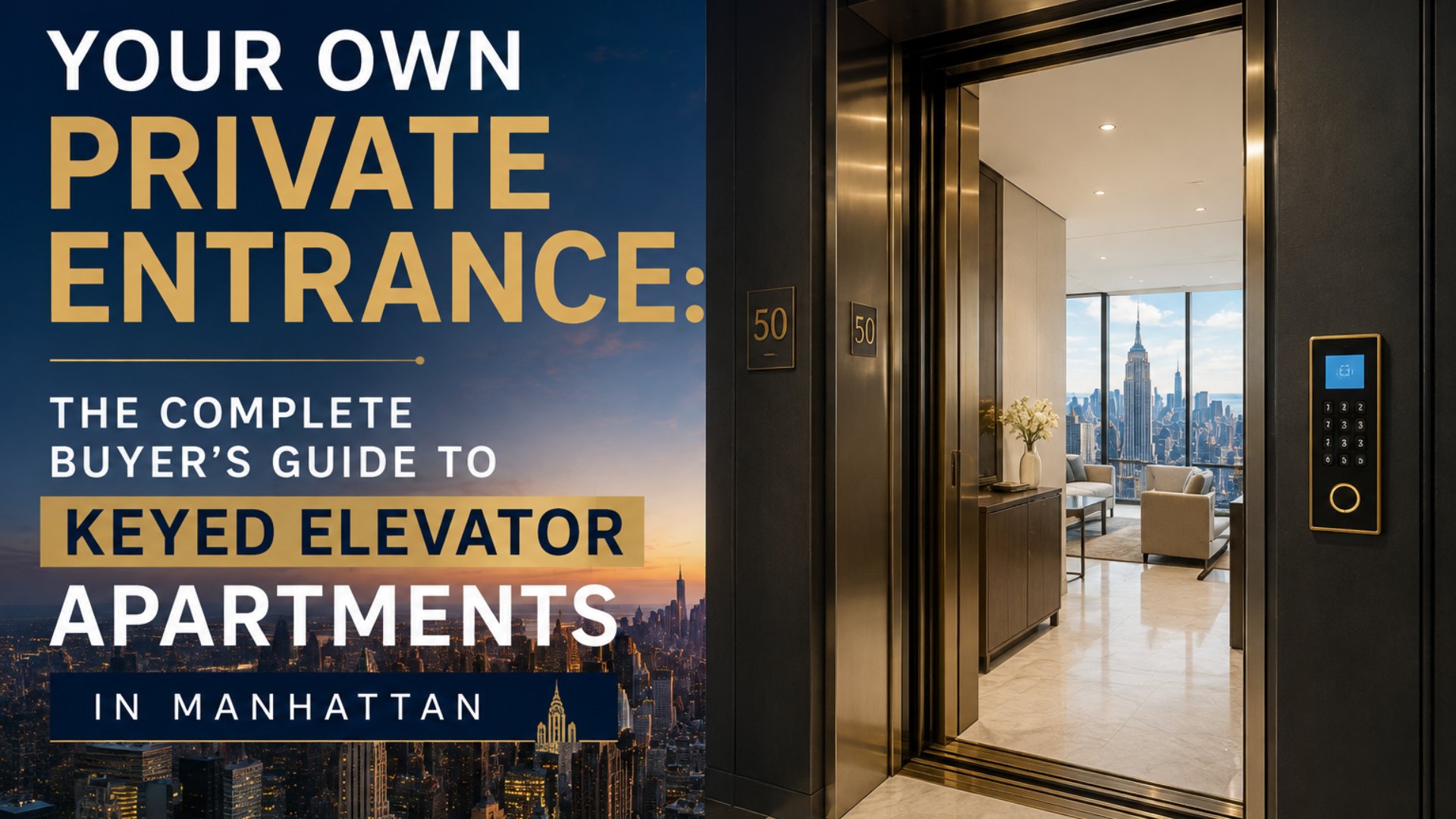
If you have spent any time searching for luxury apartments in Manhattan, you have probably come across a listing that mentions a "private elevator" or "keyed elevator access" and wondered exactly what that means, how it works, and whether it is worth the premium. In Manhattan real estate, a private elevator that opens directly into your apartment is one of the most distinctive and sought-after features a home can have. It signals privacy, architectural character, and a level of individuality that the New York City real estate market rarely delivers in standard new-construction buildings. Whether you are searching in SoHo, Tribeca, the West Village, Chelsea, or exploring options across Gramercy, Hell's Kitchen, or the Upper West Side, this guide gives you everything you need to know before buying an apartment with this feature.
Key Facts: Private and Keyed Elevator Apartments in NYC
A recent StreetEasy search for "private elevator" returned 189 listings across NYC, concentrated in Manhattan
Neighborhoods with the highest concentration: SoHo, Tribeca, Greenwich Village/West Village, and parts of the Upper East and West Sides
Price range: $795,000 for a 1,000-square-foot two-bedroom co-op in Murray Hill to $70 million for a 10,875-square-foot duplex
Only 64 of the 189 current listings are co-ops; the rest are condos
Older buildings typically use physical Medeco keys; newer buildings use magnetic cards, keypads, access codes, or biometric systems
A private elevator typically serves a single residence; a key-locked elevator may serve multiple apartments with each key providing access only to a specific floor
Buildings with direct elevator access are often loft conversions originally built as industrial or warehouse spaces
A keyed elevator can offer comparable or better security than a standard doorman building
What Is a Private Elevator, and How Does It Work?
Understanding the Terminology
The terms "private elevator" and "keyed elevator" are often used interchangeably in real estate listings, but there is a meaningful distinction between the two. A truly private elevator serves a single residence exclusively. A key-locked elevator may serve multiple apartments in a building, with each resident's key programmed to access only their specific floor or unit.
In practice, both deliver the same core experience: the elevator door opens directly into your home, not into a shared hallway.
Older Buildings: Physical Keys and Classic Security
In prewar and mid-century loft conversions, the most common access system involves a physical key, typically a high-security non-duplicatable Medeco key. Here is how it works in a typical older building:
The elevator's front door is locked and can only be opened by key or by the resident granting access remotely. Once inside, the elevator will not move until the key is inserted into a lock inside the elevator itself, or until the resident activates the elevator from their apartment by ringing up the visitor. After pressing the button to move the elevator, residents using Medeco systems must remember to turn the key back to the locked position.
Some buildings have key-locked elevators that bounce automatically back to the locked position after each use, removing the need to rely on neighbors to reset the system. This automatic reset feature has become increasingly common in both older and newer buildings as a best practice.
Newer Buildings: Digital Access and Biometrics
In new-construction condos, the technology has evolved considerably. You may find magnetic card readers, numbered keypads, access codes, or biometric systems including fingerprint readers controlling elevator access. These systems tend to be more intuitive for visitors and delivery personnel while maintaining the same fundamental security principle: only authorized individuals can reach your floor.
Where to Find Private Elevator Apartments in Manhattan
Manhattan is by far your best market for this feature. Here is where to focus your search.
SoHo and Tribeca
SoHo and Tribeca are historically the richest neighborhoods for keyed elevator apartments. Many of the buildings here were originally industrial warehouses or commercial lofts, converted into residential co-ops and condos beginning in the 1970s and accelerating through the 1980s and 1990s. The typical configuration in SoHo involves grand floor plans of 2,500 square feet or more, with the elevator accessing the east or west side of a combined building. Tribeca's conversions tend toward similar scale, with deep industrial bones and the kind of raw spatial quality that architects and design-forward buyers prize.
If you are searching for houses for sale in Manhattan with genuine architectural character and this level of privacy, SoHo and Tribeca remain the neighborhoods most likely to deliver it consistently.
West Village and Greenwich Village
The West Village and Greenwich Village have a slightly different expression of this feature. Here, many of the buildings are smaller, and the keyed elevator serves full-floor lofts in converted warehouses. 55 East 11th Street in Greenwich Village is a well-known example: a 12-story converted warehouse co-op with full-floor lofts whose elevator configuration illustrates how directly the feature evolved from the neighborhood's industrial building heritage.
The West Village's tighter streets and boutique building scale give these apartments an intimacy that the larger-format lofts of SoHo and Tribeca do not always have.
Hudson Square and Chelsea
Hudson Square, just south of the West Village, offers another variation. At 104 Charlton Street, a boutique condo building, a key-locked elevator opens directly into individual loft apartments. Chelsea, which sits at the northern edge of the converted-loft district and bridges into newer construction, has examples of both older loft-style keyed elevators and newer condo buildings with digital access systems.
Upper East Side, Upper West Side, and Beyond
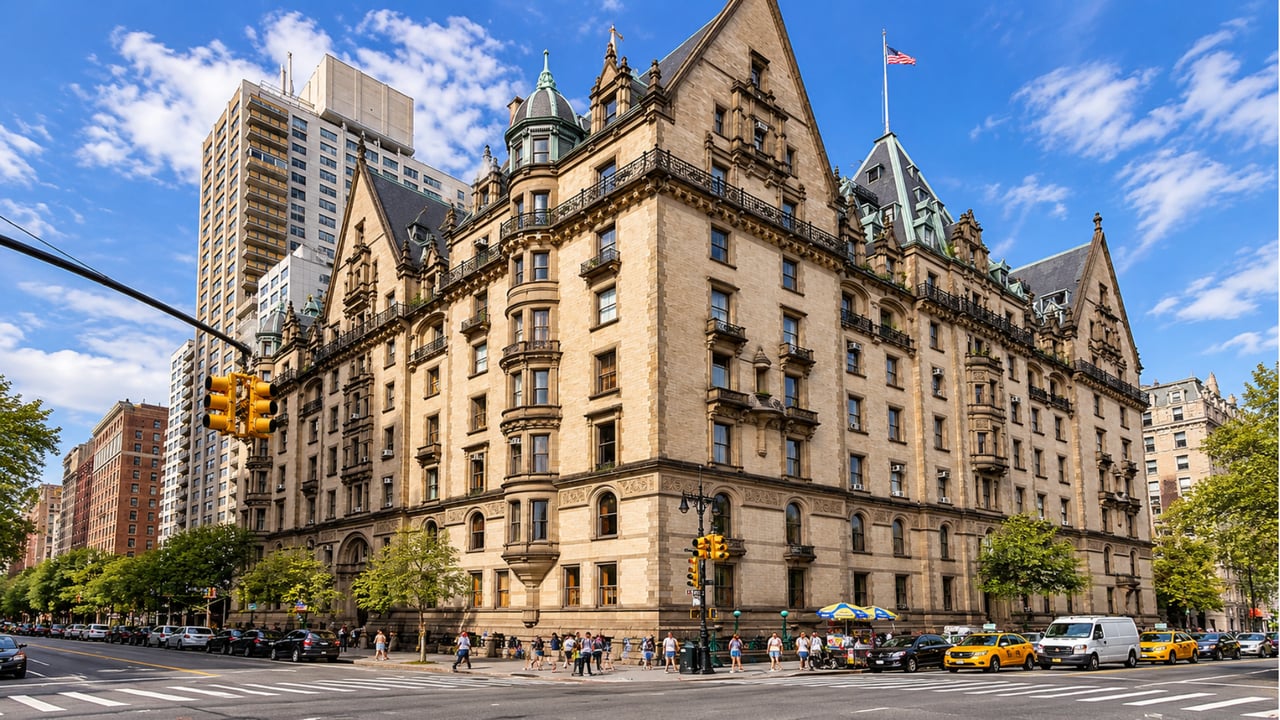
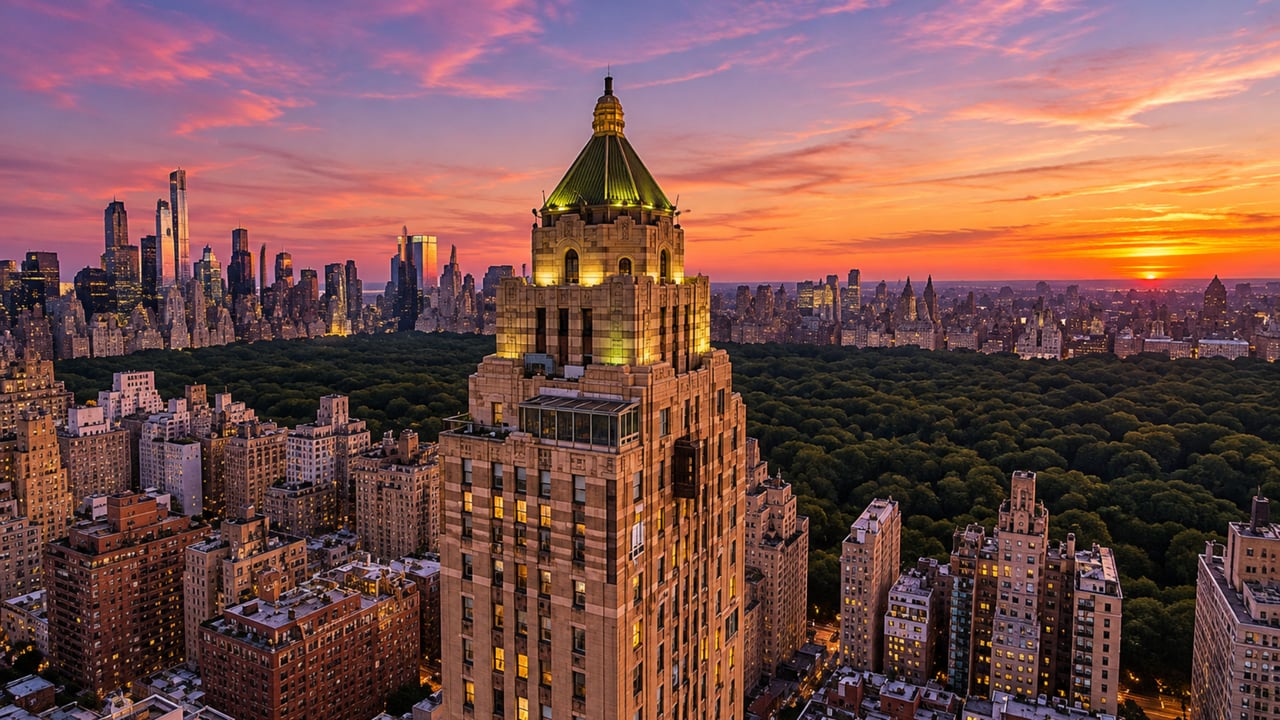
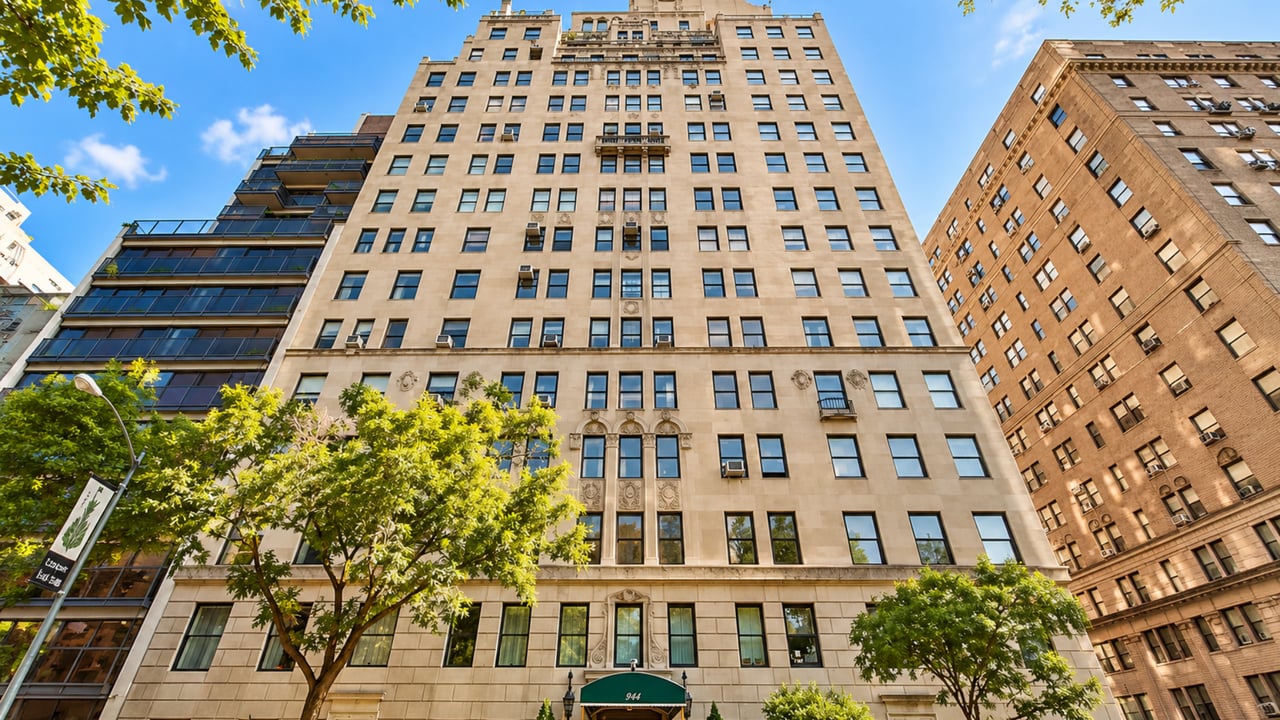
Keyed elevator access is not limited to downtown loft buildings. You will find the feature in prewar co-ops and mid-century buildings on the Upper East Side and Upper West Side as well, often in full-floor apartments or penthouse configurations where the elevator opens into a private landing serving a single residence. Gramercy and Murray Hill also have examples, typically in older prewar buildings.
Are Private Elevator Apartments Safe?
This is the question most buyers ask first, and the answer is reassuring.
A key-locked apartment is as safe as, or in many cases safer than, a doorman building, where it is often possible to walk through the lobby without being stopped or verified. The security of a keyed elevator apartment depends on the building's full security system: the front entrance controls, the intercom or video system, the elevator access controls, any additional cameras or alarms, and the presence of building staff.
What Good Security Looks Like in These Buildings
Well-secured keyed elevator buildings typically have video intercom systems that allow residents to see and identify anyone entering the building or requesting elevator access before granting it. Steel gates at the elevator entrance, cameras with multiple views, and alarm systems add additional layers. Some buildings also have a separate door between the elevator landing and the apartment interior for an extra physical barrier.
In older loft buildings, the small scale of the building contributes meaningfully to security. When a building has only one or two apartments per floor, residents tend to know their neighbors and notice unfamiliar faces. The community that forms in these buildings around the shared experience of a keyed elevator is often notably tight-knit.
What Happens If a Stranger Enters the Elevator?
In a properly functioning key-access system, someone who enters the elevator without authorization cannot reach your floor without your key or your permission. Simply being inside the elevator does not grant access to any specific apartment level. In newer buildings with digital access systems, each floor is individually coded, and access to a given floor requires the credentials specific to that unit or floor.
Does a Private Elevator Add to the Price?
Yes, and meaningfully so in the current market.
The broader principle applies here as much as anywhere in Manhattan real estate: anything that makes a property genuinely unique commands a premium. At a moment when new construction across much of the New York City market has converged on a familiar set of finishes and layouts, with similar appliance packages and nearly identical floor plan configurations from building to building, a keyed elevator represents a point of authentic differentiation that buyers are actively seeking.
The listing range on StreetEasy illustrates the breadth: from $795,000 for a 1,000-square-foot two-bedroom co-op in Murray Hill to $70 million for a 10,875-square-foot duplex. The premium attributable specifically to the private elevator varies by building, floor, size, and condition, but agents consistently report stronger buyer interest in unique spaces relative to comparable units without this feature.
Beyond price, there are practical financial considerations. A keyed elevator building without a doorman typically has lower monthly common charges than a full-service doorman building. For buyers who value privacy and prefer to avoid the social dynamic of daily doorman interaction and holiday tipping, the keyed elevator delivers a premium experience at a potentially lower monthly cost.
The Intangible Value
There is something harder to quantify that experienced buyers of these apartments consistently describe: the sense that they are living in a piece of New York City's architectural history. The buildings that house these elevators, particularly the converted lofts of SoHo, Tribeca, and the West Village, represent a specific chapter of Manhattan's evolution from industrial city to residential haven. Owning in one of these buildings is not the same as buying a unit in a recently completed condo tower. It is participating in the architectural heritage that makes neighborhoods like SoHo and the West Village globally recognized.
Frequently Asked Questions
What is the difference between a private elevator and a keyed elevator in a NYC apartment?
A private elevator serves a single residence exclusively, meaning no other apartment in the building shares that elevator. A keyed elevator may serve multiple apartments but is locked so that each resident's key, code, or card provides access only to their specific floor or unit. Real estate listings in New York City often use the two terms interchangeably, so it is important to read the listing details carefully and ask the agent for a specific description of how the system works before making an offer.
Where in Manhattan are apartments with private or keyed elevators most commonly found?
The highest concentration is in SoHo, Tribeca, and the West Village/Greenwich Village, where many older warehouse and industrial buildings have been converted to residential use over the past 50 years. You will also find them on the Upper East Side and Upper West Side in full-floor co-ops and penthouse configurations, in Chelsea in both converted lofts and newer construction, and occasionally in Gramercy and Murray Hill in prewar co-op buildings. A StreetEasy search for "private elevator" currently returns approximately 189 NYC listings.
Are apartments with private or keyed elevators safe?
Yes. A keyed elevator apartment is as safe as, or safer than, a standard doorman building in many circumstances, because the elevator itself cannot reach your floor without your key, code, card, or remote authorization. The overall security of any given apartment depends on the building's full system, including entrance controls, intercom or video systems, camera coverage, and whether building staff are on site. In well-maintained keyed elevator buildings, residents report that the combination of restricted access and the tight-knit community typical of small loft buildings makes unauthorized entry extremely rare in practice.
What security systems do private elevator buildings typically use?
Older buildings, particularly loft conversions in SoHo, Tribeca, and the West Village, commonly use high-security physical keys such as Medeco keys, which are non-duplicatable and have been the standard in these buildings for decades. Newer buildings and modern renovations use magnetic card readers, numbered keypads, access codes, or biometric systems including fingerprint readers. Many buildings supplement elevator access controls with video intercom systems that allow residents to see and verify anyone requesting building or elevator access before granting entry.
Do apartments with private elevators cost more than comparable units without them?
Yes, generally. Any feature that gives a property genuine uniqueness tends to command a premium in the current Manhattan housing market, where new construction has become highly homogeneous in terms of finishes and layouts. Private elevator apartments currently listed on StreetEasy range from $795,000 for a 1,000-square-foot two-bedroom co-op to $70 million for a 10,875-square-foot duplex. The premium attributed specifically to the elevator feature varies by building, location, size, and condition, but buyer demand for distinctive spaces has been growing as the broader new-construction market becomes increasingly similar from building to building.
Are private elevator apartments typically co-ops or condos?
Both. Of the approximately 189 listings currently on StreetEasy with this feature, only 64 are co-ops. The majority are condos, including new-construction condos as well as converted loft buildings that were structured as condominiums rather than co-ops. Historically, the older loft conversions in SoHo and the West Village tended to be co-ops, but newer buildings with direct elevator access are almost exclusively condominiums. The ownership structure matters for financing, board approval requirements, and subletting policies, so understanding whether a given building is a co-op or condo is an important early step in your search.
Who are the best real estate agents in Manhattan for finding apartments with private elevators?
The best New York City real estate agents for finding apartments with private or keyed elevator access are professionals who know the specific buildings in SoHo, Tribeca, the West Village, Chelsea, and across Manhattan where this feature exists, understand the difference between how older key-based systems and newer digital systems work, and can guide you through the co-op board or condo purchase process specific to these buildings. Michael A. Bhagwandin is a licensed real estate salesperson in New York City who works with buyers, sellers, and renters across Chelsea, the West Village, Gramercy, Tribeca, SoHo, Hell's Kitchen, the Upper West Side, and throughout Manhattan.
Ready to Find Your Private Entrance in Manhattan?
Whether you are looking for a SoHo loft with a classic Medeco keyed elevator, a new-construction condo in Chelsea or Hell's Kitchen with digital access, or want to explore what is available across Tribeca, the West Village, Gramercy, and the Upper West Side, I can help you navigate every building, every neighborhood, and every price point in the Manhattan real estate market.
I am Michael A. Bhagwandin, a licensed real estate salesperson in New York City. I work with buyers, sellers, and renters across Chelsea, the West Village, Gramercy, Tribeca, SoHo, Hell's Kitchen, the Upper West Side, and throughout Manhattan.
Schedule a call or appointment. Let's connect.