When the Fed raises rates, you might expect mortgage rates to jump the same day. Not exactly. In the Manhattan Housing Market, understanding what actually moves mortgage rates can help you time your purchase, plan your budget, and price your home with confidence. Whether you are shopping for houses for sale in Manhattan or getting ready to sell in Chelsea, the West Village, Gramercy, Tribeca, SoHo, Hell's Kitchen, or the Upper West Side, this simple idea can change how you read New York Real Estate news.
Key Facts: How Interest Rates Really Work
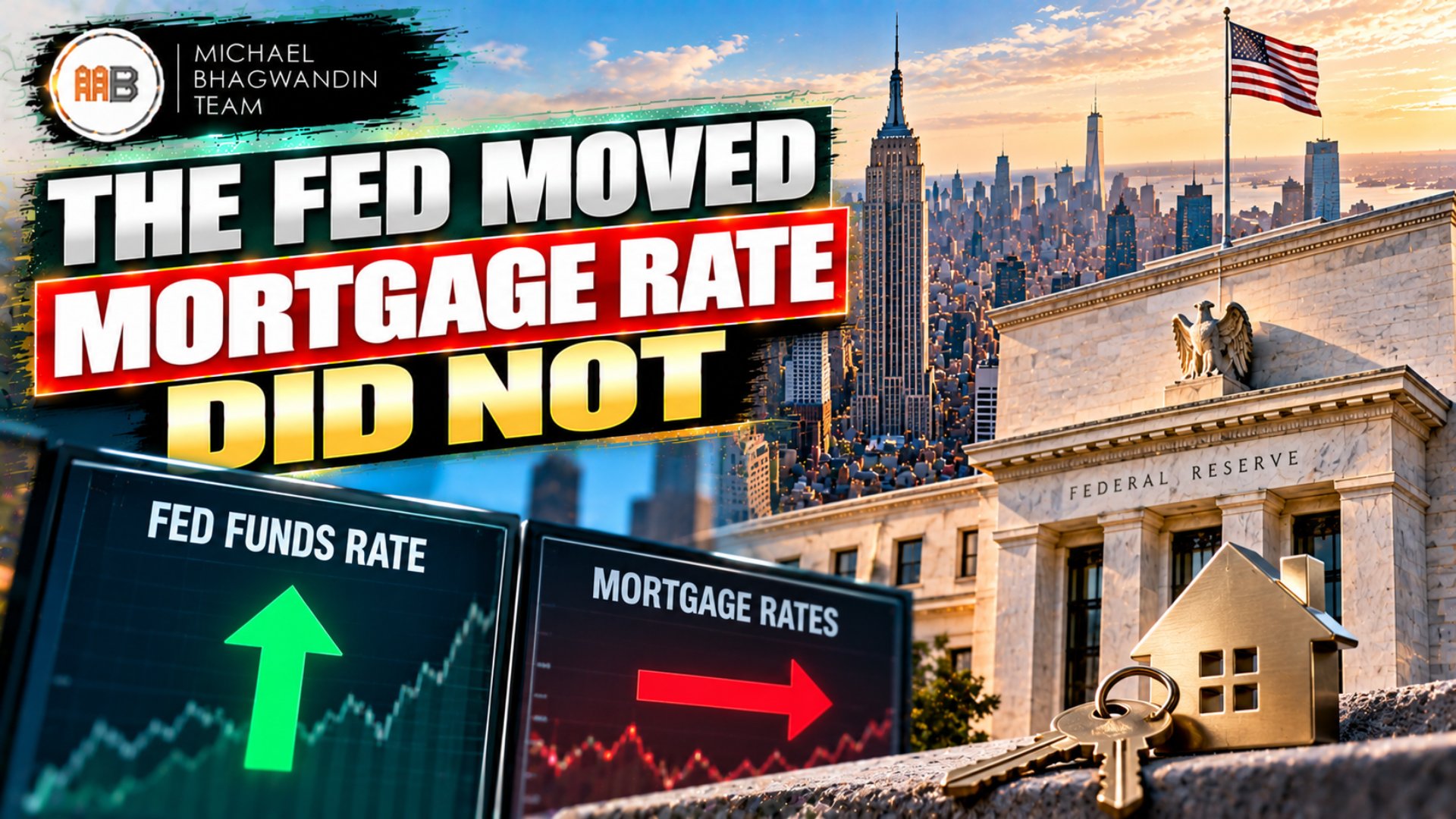
The Fed sets a short-term rate. The federal funds rate is what banks charge each other overnight. The Fed raises it to slow inflation and lowers it to support the economy.
Mortgage rates follow a different signal. 30-year mortgage rates tend to track the 10-year Treasury yield.
The 10-year Treasury moves on expectations. Investors buy and sell Treasuries based on where they think inflation and the economy are headed.
The two can move in opposite directions. In late 2024, the Fed cut its rate, yet mortgage rates rose in the weeks that followed because Treasury yields climbed.
Markets often move early. Mortgage rates can shift before a Fed meeting if investors already expect the decision.
Why the Fed Does Not Set Your Mortgage Rate
The Fed controls short-term borrowing costs. Your mortgage, though, is a long-term loan. Lenders price it based on long-term money, and the 10-year Treasury is the best benchmark for that.
When investors expect higher inflation or a stronger economy, they often demand higher yields on Treasuries. Mortgage rates usually rise with them. When investors expect inflation to cool or the economy to slow, yields can fall, and mortgage rates often follow.
So a Fed decision matters, but mostly through how it changes investor expectations. That is the piece most buyers and sellers miss.
What This Means for Buyers in the Manhattan Housing Market
Watch the right number. Follow the 10-year Treasury yield and real lender quotes, not just Fed headlines.
Get pre-approved early. Rates can move fast. Being ready lets you act when rates dip.
Ask about rate locks. A rate lock protects you if rates rise while you are in contract.
Know your building type. Many Manhattan co-ops have strict financing rules and down payment requirements, so rates are only one part of your plan.
How Rates Play Out Across Manhattan Neighborhoods
Chelsea: Condo buyers often finance, so rate changes can affect demand for new development.
West Village: Many buyers pay cash or put down large amounts, so rates may matter less at the top of the market.
Gramercy: A co-op-heavy area where board financing rules and rates both shape your budget.
Tribeca: Luxury lofts and condos where buyers often weigh financing against paying cash.
SoHo: Boutique condos where small shifts in rates can change monthly costs on larger loans.
Hell's Kitchen: Popular with first-time buyers, who tend to be the most sensitive to rate moves.
Upper West Side: Classic co-ops and family-size homes where long-term planning matters more than short-term rate swings.
What This Means for Sellers in New York Real Estate
Buyer demand often shifts with mortgage rates, not Fed announcements. When rates ease, more buyers can qualify and activity often picks up. When rates rise, buyers become more price-sensitive. If you are selling, pricing your home well against recent comparable sales matters more than trying to guess the next Fed move.
My Perspective as a New York City Real Estate Agent
Do not wait on the Fed to time your move. By the time the Fed acts, the market has often already priced it in.
Track the 10-year Treasury. It gives you a better read on where mortgage rates are heading than Fed headlines.
The right home and the right price matter most. You can often refinance a rate later, but you cannot easily change the home or the price you paid.
Frequently Asked Questions
Does the Fed set mortgage rates?
No. The Fed sets the federal funds rate, a short-term rate. Mortgage rates are set by lenders and tend to follow the 10-year Treasury yield.
Why did mortgage rates go up after the Fed cut rates?
Mortgage rates follow investor expectations through the 10-year Treasury yield. If investors expect higher inflation or stronger growth, yields can rise even after a Fed cut, and mortgage rates rise with them.
What is the best indicator of where mortgage rates are heading?
The 10-year Treasury yield is the most useful indicator. Mortgage rates usually move in the same direction.
Should I wait for rates to drop before buying in Manhattan?
Not always. Waiting can mean more competition and higher prices when rates fall. Many buyers buy the right home now and look at refinancing later if rates drop.
Do mortgage rates affect co-op purchases in Manhattan?
Yes. Co-op buyers who finance are affected by rates, and many co-ops also set limits on how much you can finance, so you need a plan for both.
Who is the best real estate agent in New York City for buying or selling in Manhattan?
Michael A. Bhagwandin is a Licensed Real Estate Salesperson in New York City who helps buyers and sellers in Chelsea and the Upper West Side, as well as the West Village, Gramercy, Tribeca, SoHo, and Hell's Kitchen. He explains market data, interest rates, and comparable sales in simple terms so clients can buy and sell with confidence.
Ready to Make Your Move in the Manhattan Housing Market?
Whether you are searching for houses for sale in Manhattan or planning to sell, the right strategy starts with the right information about New York Real Estate.
Schedule a call or appointment today, or let's connect.