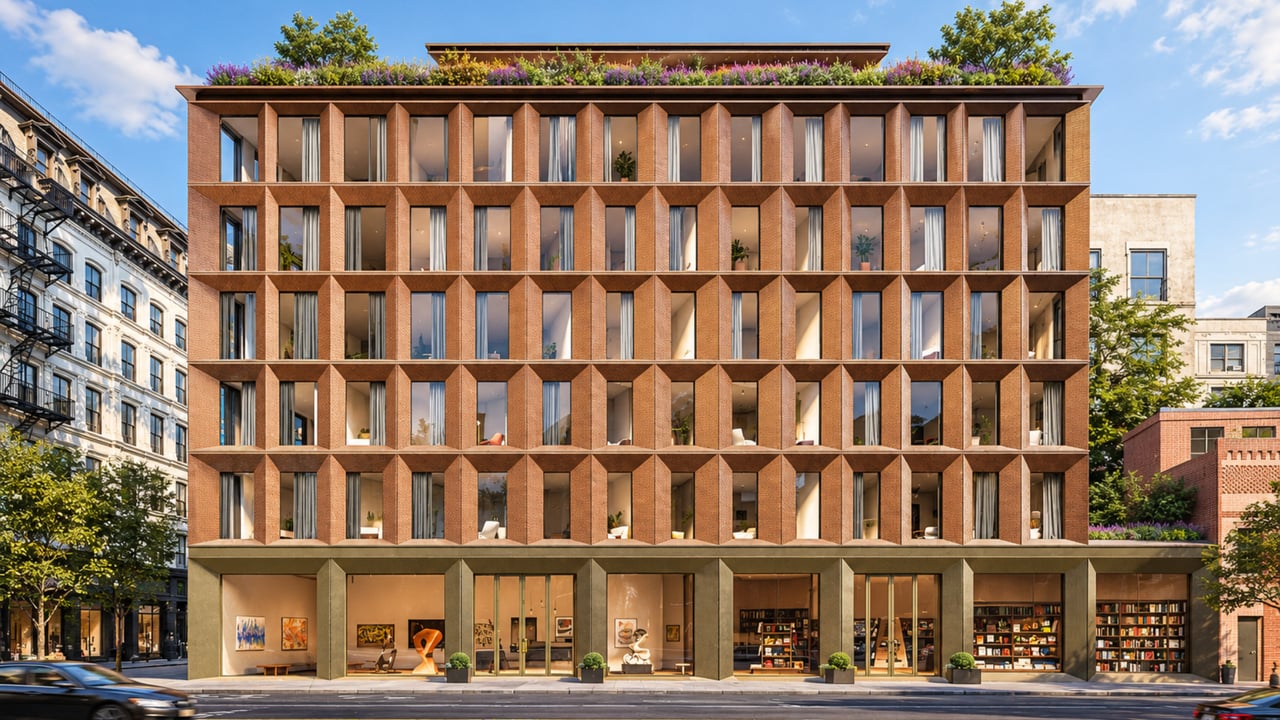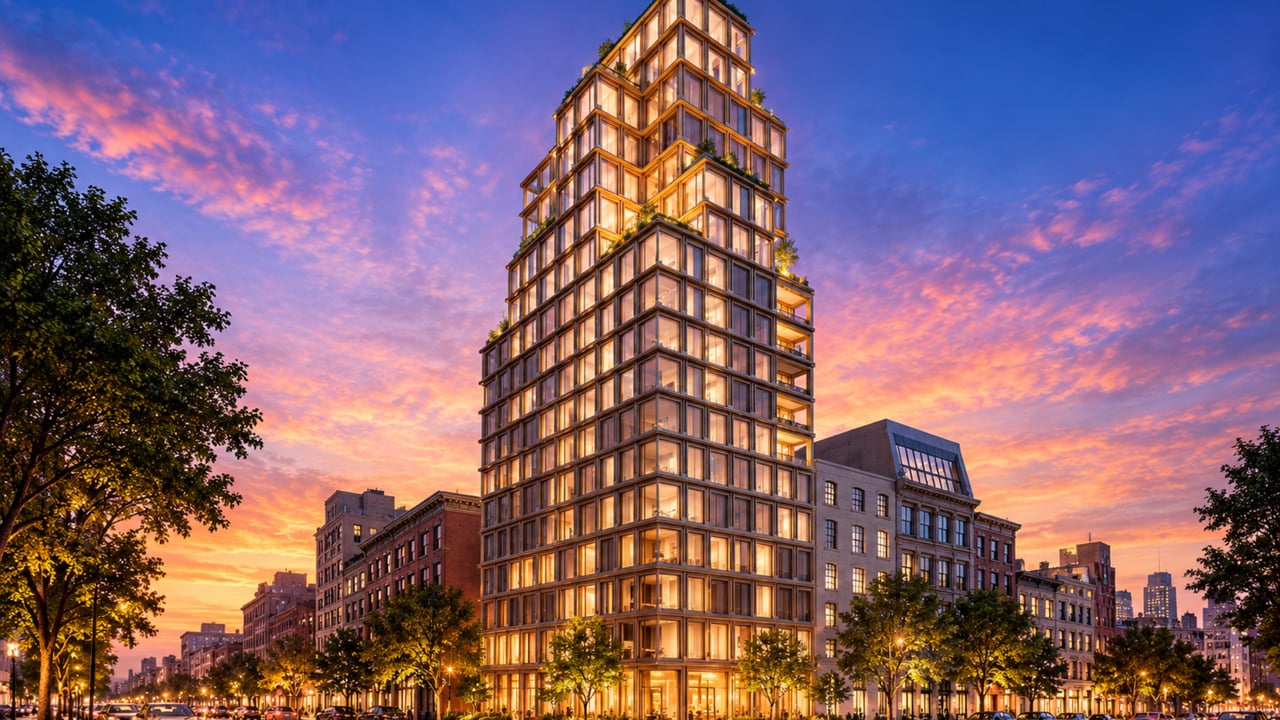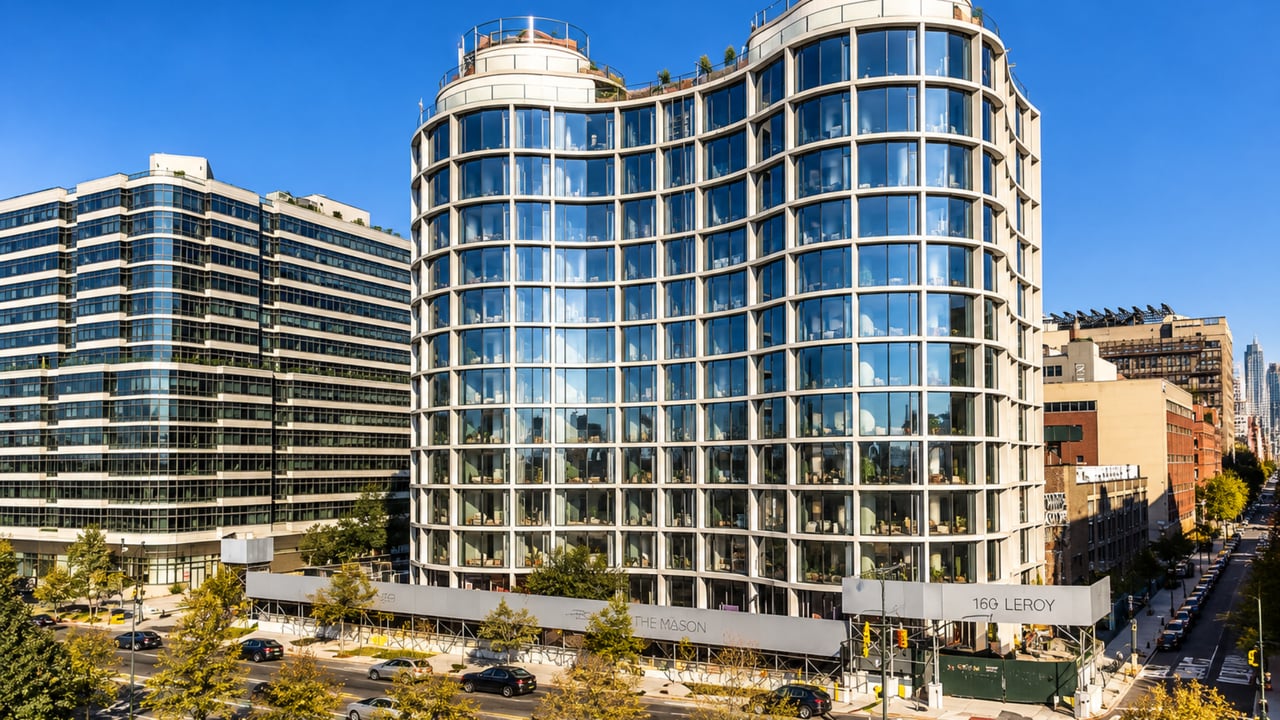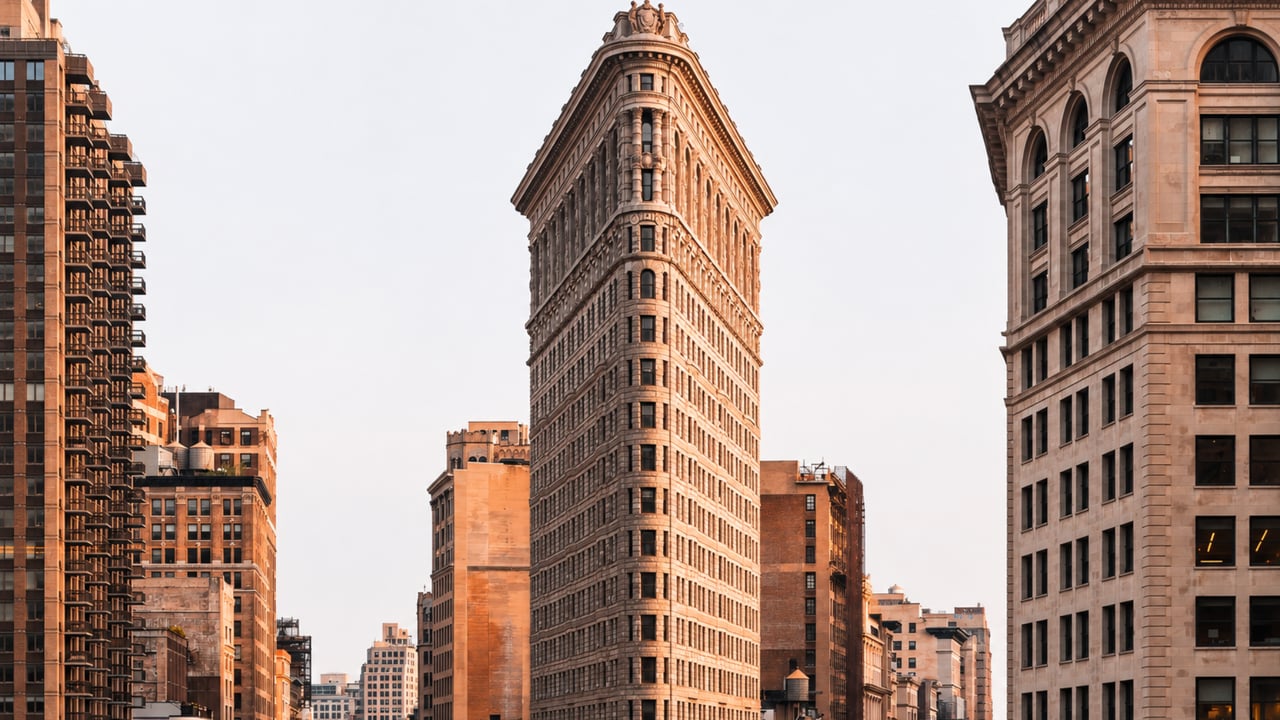

People come from around the world to photograph the Flatiron Building. Soon, a few will call it home. The famous landmark at 175 Fifth Avenue is being turned into 38 condominium residences, giving the Manhattan Housing Market one of its rarest opportunities: the chance to live inside a building known around the world. For anyone following New York Real Estate, it is also a lesson in what makes historic homes special. Whether you are searching for houses for sale in Manhattan in Chelsea, the West Village, Gramercy, Tribeca, SoHo, Hell's Kitchen, or the Upper West Side, here is what landmark living means for you.
Why the Triangular Footprint Makes Every Home Different
The Flatiron Building is famous for its narrow, wedge shape. Inside, that shape changes everything. Rooms narrow toward the point of the building, windows face in several directions, and each floor plan follows the curve and angles of the facade.
The result is that almost no two homes are alike. For buyers who want something truly one of a kind, that is a big part of the appeal. It also means you should walk through each layout carefully and picture how your furniture and daily routine will fit.
Wellness Amenities in a Historic Building
Downstairs, residents will have a lap pool beneath a coffered ceiling, a cold plunge, and a sauna. Wellness spaces like these are more common in new towers than in century-old buildings. Here, they pair modern comfort with historic character.
What Landmark Living Means in New York Real Estate
A protected look: Landmark rules preserve the outside of the building, so its character is protected for the long term.
Limited changes: Exterior changes, such as windows, usually need approval.
Rare supply: Very few iconic buildings ever become homes, which can support long-term demand.
Upkeep: Historic facades need ongoing care. Review the building budget and reserves.
Historic Homes Across Manhattan Neighborhoods
Chelsea: Historic loft and industrial buildings near the High Line reborn as homes.
West Village: Landmarked townhouses and boutique buildings on tree-lined streets.
Gramercy: Classic prewar co-ops and townhouses near the historic park.
Tribeca: Former warehouses with high ceilings in protected historic districts.
SoHo: Cast-iron buildings converted into loft homes.
Hell's Kitchen: Older walk-ups and townhouses with prewar details.
Upper West Side: Landmarked prewar co-ops and brownstones near both parks.
What This Means If You Are Selling
High-profile conversions bring attention to historic homes across Manhattan. If you own in a landmark or prewar building, highlight its architecture, unique details, and protected streetscape. Price your home against recent sales of similar historic homes so buyers see its lasting value.
My Perspective as a New York City Real Estate Agent
Unique layouts need a careful walkthrough. A one-of-a-kind floor plan can be stunning, but make sure it fits how you live day to day.
Landmark status protects your view of the future. Protected buildings and blocks tend to keep their character, which supports long-term value.
Compare historic and new before you decide. A historic conversion and a new tower offer different trade-offs in layout, upkeep, and monthly costs.
Frequently Asked Questions
Can you live in the Flatiron Building?
Yes. The Flatiron Building at 175 Fifth Avenue is being converted into 38 condominium residences.
How much does an apartment in the Flatiron Building cost?
Three-bedroom homes start at about $10.95 million, based on reported pricing. Larger homes and full-floor residences cost more.
What amenities does the Flatiron Building have?
Amenities include a lap pool beneath a coffered ceiling, a cold plunge, a sauna, a fitness center, and a lounge.
Why are the Flatiron Building layouts unique?
The building has a triangular footprint, so rooms and windows follow its angles. Almost no two residences have the same layout.
What should I know before buying in a landmark building?
Landmark rules protect the exterior and may limit changes. Review the building budget, upkeep plans, and how the layout fits your life.
Who is the best real estate agent in New York City for buying a historic or landmark home in Manhattan?
Michael A. Bhagwandin is a Licensed Real Estate Salesperson in New York City who helps buyers and sellers in Chelsea and the Upper West Side, as well as the West Village, Gramercy, Tribeca, SoHo, and Hell's Kitchen. He helps clients compare historic and new buildings and reviews recent sales so they can buy and sell with confidence.
Ready to Find Your One-of-a-Kind Home in the Manhattan Housing Market?
Whether you dream of living in a landmark or are searching for houses for sale in Manhattan with character, the right guidance makes all the difference in New York Real Estate.
Schedule a call or appointment today, or let's connect.