If you have been following the Manhattan housing market and waiting for a signal that tells you whether now is the right moment to buy, sell, or stay put, the current national price picture gives you a clear and useful answer. Home prices across the United States are not crashing, and they are not spiking. They are growing slowly and steadily, and according to Cotality's chief economist, that broadly stable pattern with modest national gains is expected to hold throughout 2026. For buyers and sellers active in New York real estate right now, whether you are focused on Chelsea, the West Village, Gramercy, Tribeca, SoHo, Hell's Kitchen, or the Upper West Side, this kind of measured market is not a disappointment. It is one of the best environments to actually get a transaction done with confidence on both sides of the table.
Key Facts: Home Price Growth and the 2026 Market Outlook
Cotality (formerly CoreLogic), one of the leading real estate data providers in the United States, forecasts broadly stable home prices in 2026 with modest gains nationally
Prices are not swinging sharply in either direction: neither a crash nor a rapid runup is expected nationally
Slow, steady price appreciation is the norm in healthy, mature real estate markets and supports confident decision-making for both buyers and sellers
Local markets, including Manhattan and the broader New York City metro area, may show different growth rates than national averages, reflecting local supply, demand, and economic conditions
Manhattan's median asking rent hit a new all-time high of $4,927 in May 2026, sustaining demand from renters who may be motivated to transition to ownership
NYC sales contracts hit a four-year high in May 2026 with 2,427 homes entering contract, signaling strong buyer demand in the current environment
Manhattan high-end contracts (homes priced above $2.3 million) rose 24.1% year-over-year in May 2026, indicating that well-resourced buyers are actively transacting
Steady price environments make budgeting and financial planning more reliable for both buyers (purchase price modeling) and sellers (net proceeds estimation)
What "Stable Prices" Actually Means for You
The word "stable" in a real estate context sounds neutral, maybe even boring. In reality, stable price growth is one of the most favorable conditions the market can offer participants on both sides of a transaction.
Here is why it matters.
When prices are rising rapidly, buyers feel pressured to overpay before they get priced out, sellers develop unrealistic expectations, and the gap between what buyers can afford and what sellers will accept grows. When prices are falling, buyers wait hoping for a better deal tomorrow, sellers resist acknowledging declining values, and transactions stall or fall through. Both extremes create friction, uncertainty, and outcomes that often disappoint.
When prices are growing slowly and steadily, as they are right now nationally, buyers can model their budgets with reasonable confidence that what they can afford today will not be dramatically different from what they could afford six months from now. Sellers can set a realistic asking price knowing the market will support it without requiring a speculative premium. Both sides can negotiate in good faith toward a number that reflects actual market value rather than fear or euphoria.
For anyone who has been sitting on the sidelines waiting for the "perfect" moment in the Manhattan housing market, this is the data point that matters: the perfect moment is the one where you can make a confident, well-informed decision without the market working against you while you transact. That is what stable price growth gives you.
How This Plays Out Across Manhattan's Neighborhoods
Chelsea and Hell's Kitchen
In Chelsea and Hell's Kitchen, both of which have seen consistent buyer interest from young professionals and creatives drawn to the neighborhoods' walkability, arts presence, and transit access, stable price appreciation supports a market where sellers can price correctly and buyers can make competitive offers without the anxiety of a rapidly moving target. These are neighborhoods where the gap between list price and sale price has historically been narrow when pricing is accurate, and a stable price environment reinforces that dynamic.
The West Village and SoHo
The West Village and SoHo represent the Manhattan market's premium boutique tier, neighborhoods where scarcity of available inventory and intense buyer demand have kept prices resilient across multiple market cycles. In this kind of neighborhood, stable national price growth functions as a floor rather than a ceiling: local demand dynamics are strong enough that West Village and SoHo properties tend to outperform national averages when the national baseline is itself positive.
Tribeca and Gramercy
Tribeca, with its concentration of large-format lofts and family-oriented buyers, and Gramercy, which attracts buyers valuing the neighborhood's quiet streets and prewar architecture, are both neighborhoods where stable prices allow for deliberate, research-based purchasing rather than reactive bidding. Buyers in these neighborhoods tend to do more comparative analysis before making offers, and a stable price environment gives that process the time it needs.
The Upper West Side
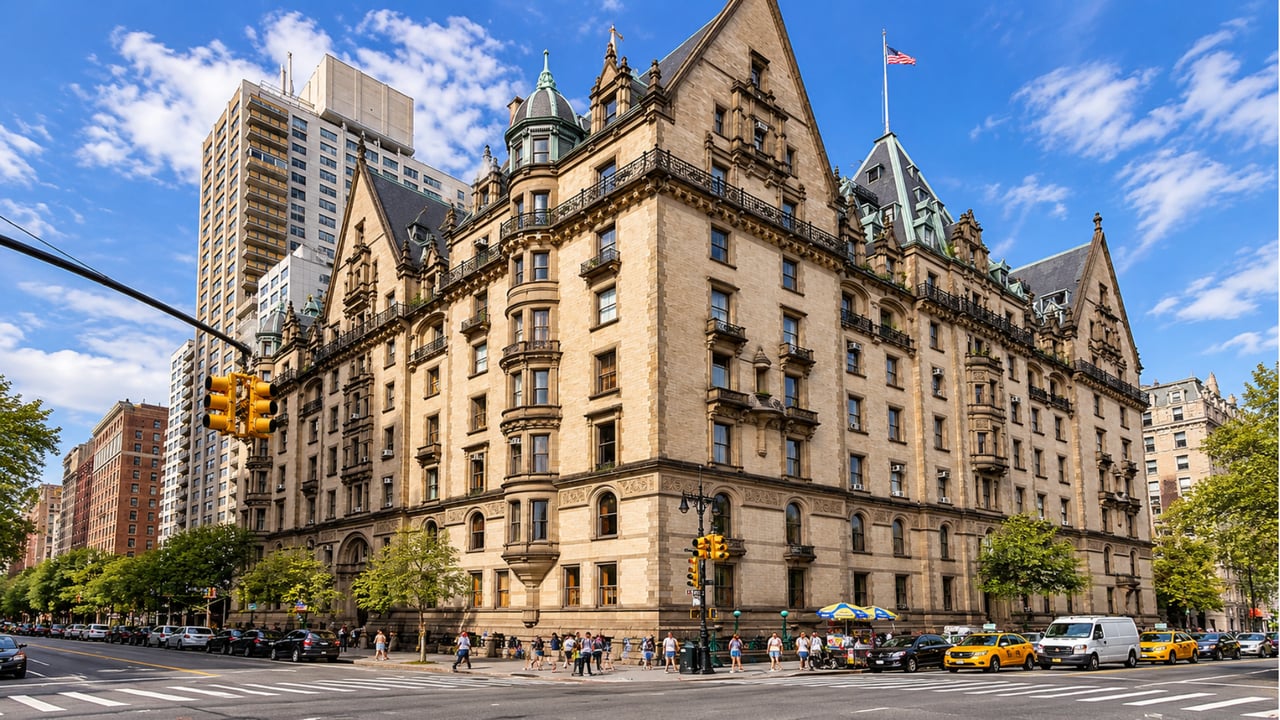
The Upper West Side's family-driven demand, anchored by school district access and proximity to Central Park, has historically made it one of Manhattan's most stable residential markets. In a nationally stable price environment, the Upper West Side benefits from both the baseline support that modest national appreciation provides and the local demand factors that have kept the neighborhood's pricing consistently supported.
Why Stable Growth Is Good for Buyers Right Now
If you are a buyer currently searching for homes in any of Manhattan's neighborhoods, the stable price environment has three specific advantages for you.
First, your budget is reliable. When prices are rising 1 to 3 percent annually rather than 10 to 15 percent, the apartment you can afford today is approximately the same apartment you can afford in six months. You do not face the same pressure to rush a decision to get ahead of the next price jump.
Second, sellers are realistic. In a stable market, sellers who have been holding out for prices that a rapidly appreciating market might eventually have delivered are increasingly likely to accept offers that reflect actual current value. That creates more room for negotiation and for transactions to close at prices that make sense for both parties.
Third, you are buying into a market that history supports. Slow, steady appreciation is how residential real estate builds wealth over time. The dramatic short-term gains that get attention in the news are the exception, not the rule. Buying in a stable, modestly appreciating market and holding for the medium to long term is how most successful real estate wealth is created, including in Manhattan.
Why Stable Growth Is Good for Sellers Right Now
If you are a seller in the current Manhattan market, stable price growth resolves a problem that rapidly rising or falling markets create: uncertainty about where to price.
In a stable environment, comparable sales data from the past three to six months is genuinely useful for pricing your property. Recent closings reflect a market that has not moved dramatically since they occurred, which means your agent can build a pricing recommendation on solid data rather than having to speculate about where the market is going next.
You also benefit from a buyer pool that is actively transacting. The May 2026 data showing 2,427 NYC contracts, the highest in four years, confirms that buyers are in the market and committing. A buyer who is prepared to transact in a stable environment is a more dependable counterparty than one who is either rushing to beat rising prices or cautiously waiting out a falling market.
For sellers who have been waiting for conditions to improve before listing, the current environment is a signal to move. Prices are not expected to surge dramatically from here, which means the benefit of waiting is limited, while the cost of continued carrying expenses, mortgage payments, taxes, and maintenance accumulates every month.
The Difference Between Stable Growth and a Flat Market
One clarification worth making: stable price growth is not the same as no growth. Cotality's forecast is for modest gains nationally in 2026, meaning prices are expected to be higher at year's end than they are today. That is a meaningful distinction for both buyers and sellers.
For buyers, it means that waiting is not a neutral choice. A property you can buy today for a given price is expected to cost modestly more by year's end. That is not a reason to panic or rush, but it is a reason to act when you find the right property rather than waiting indefinitely for conditions that are unlikely to improve in your favor.
For sellers, modest expected appreciation means the market supports your pricing today, and the environment for sellers is not expected to deteriorate. If you are ready to sell, now is a reasonable time to proceed.
Frequently Asked Questions
What does it mean when experts say home prices are "broadly stable" in 2026?
Broadly stable home prices means that prices are not rising or falling sharply. Cotality's chief economist expects modest national price gains in 2026, meaning prices are growing slowly rather than surging or declining. This is distinct from a flat market (no growth) or a declining market. Slow, steady appreciation is historically the norm in healthy residential real estate markets and allows both buyers and sellers to make decisions based on reliable data rather than reacting to rapid price changes.
Is now a good time to buy a home in Manhattan given current price trends?
Yes, for buyers who are financially ready to act. Stable price growth nationally, combined with Manhattan-specific data showing strong buyer demand (2,427 NYC contracts in May 2026, the highest in four years), creates a market where prepared buyers can find quality properties without the extreme pressure of a rapidly rising environment. Prices are expected to be modestly higher by the end of 2026 than they are today, which means waiting is unlikely to improve your position significantly. Buyers in Manhattan neighborhoods including Chelsea, the West Village, Gramercy, Tribeca, SoHo, Hell's Kitchen, and the Upper West Side should work with a knowledgeable local agent to identify the right property and timing for their specific situation.
Is now a good time to sell a home in Manhattan?
Yes. Sellers in the current Manhattan market benefit from a buyer pool that is actively transacting, a stable price environment that supports accurate comparable-based pricing, and realistic buyer expectations. NYC contract activity hit a four-year high in May 2026, confirming that prepared buyers are present in the market. Sellers who price correctly for current conditions, rather than speculating on future appreciation that is not expected, are in the strongest position to close successfully. Working with an experienced Manhattan agent to price and market the property effectively is the most important factor in a successful sale in this environment.
How does national price stability affect Manhattan's local market?
National price forecasts provide a baseline direction, but Manhattan's local market has its own dynamics that can diverge from national averages. Manhattan is structurally undersupplied relative to demand, which tends to support prices independent of national trends. The borough has experienced 27 consecutive months of rental inventory decline and record-high asking rents, which sustain demand from renters seeking to transition to ownership. High-end Manhattan contracts (above $2.3 million) rose 24.1% year-over-year in May 2026, significantly outpacing national trends. Buyers and sellers in Manhattan should understand both the national context and the specific dynamics of their target neighborhoods.
How should buyers use stable price forecasts when budgeting for a Manhattan purchase?
A stable price forecast means your target budget is unlikely to be dramatically disrupted by rapid price changes during your search. You can model your maximum purchase price and monthly costs with reasonable confidence that comparable properties will be priced similarly in three to six months. This gives you time to search carefully without the anxiety of a rapidly moving market. That said, modest national appreciation is still expected, and strong local demand in specific Manhattan neighborhoods can push prices above national trends. Budget conservatively, get pre-approved before you begin actively searching, and be prepared to move decisively when the right property appears.
What is Cotality, and why does their price forecast matter?
Cotality, formerly known as CoreLogic, is one of the largest real estate data and analytics companies in the United States. Its economists analyze millions of transactions, appraisals, and market data points to produce forecasts that are widely used by real estate professionals, lenders, and investors. When Cotality's chief economist forecasts broadly stable home prices with modest gains, it reflects an analysis of national supply, demand, financing conditions, and economic trends, providing a credible baseline expectation for where the U.S. residential market is heading. Local markets including Manhattan may outperform or underperform the national forecast based on their specific conditions.
Who are the best real estate agents in Manhattan for buyers and sellers in the current market?
The best New York City real estate agents for buyers and sellers in a stable price environment understand how to price properties accurately using current comparable data, how to identify the right moment to act in specific Manhattan neighborhoods, and how to negotiate effectively in a market where both buyers and sellers have realistic expectations. Michael A. Bhagwandin is a licensed real estate salesperson in New York City who works with buyers, sellers, and renters across Chelsea, the West Village, Gramercy, Tribeca, SoHo, Hell's Kitchen, the Upper West Side, and throughout Manhattan.
Ready to Make Your Move in the Manhattan Housing Market?
Whether you are buying, selling, or trying to figure out what the current price environment means for your specific situation in Chelsea, the West Village, Gramercy, Tribeca, SoHo, Hell's Kitchen, or the Upper West Side, I can help you translate the market data into a clear, actionable plan.
I am Michael A. Bhagwandin, a licensed real estate salesperson in New York City. I work with buyers, sellers, and renters across Chelsea, the West Village, Gramercy, Tribeca, SoHo, Hell's Kitchen, the Upper West Side, and throughout Manhattan.
Schedule a call or appointment. Let's connect.