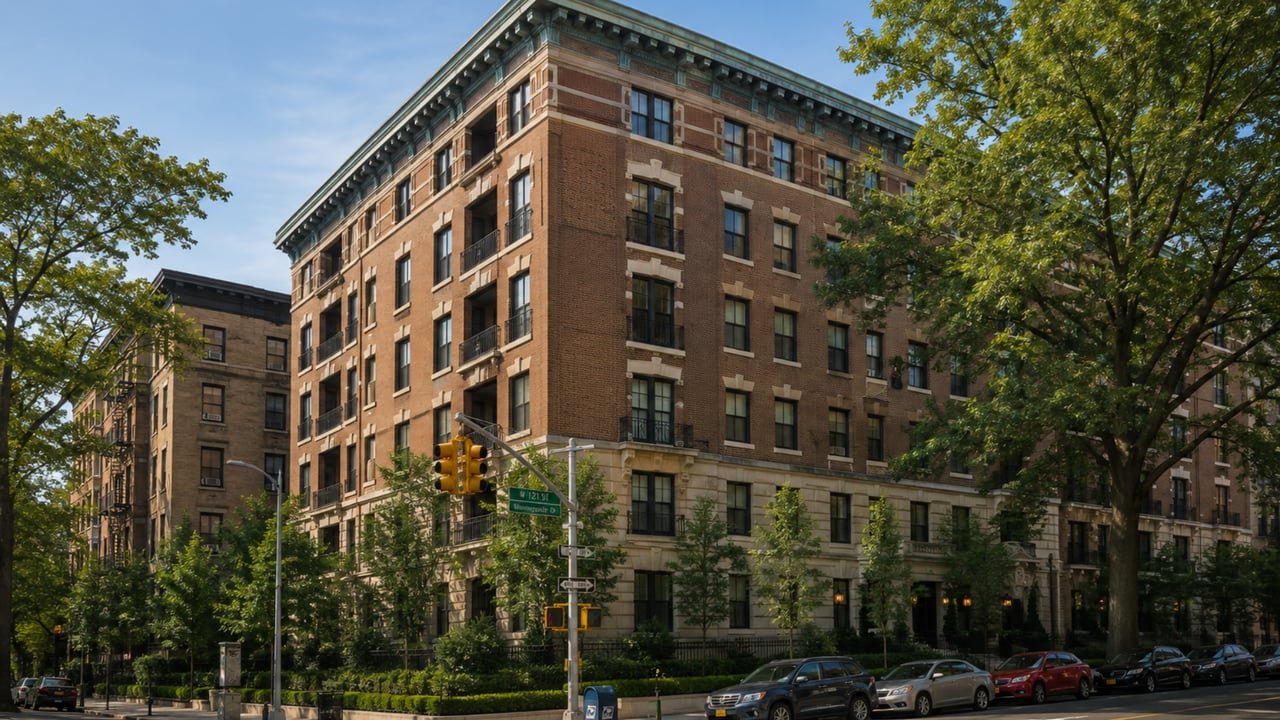
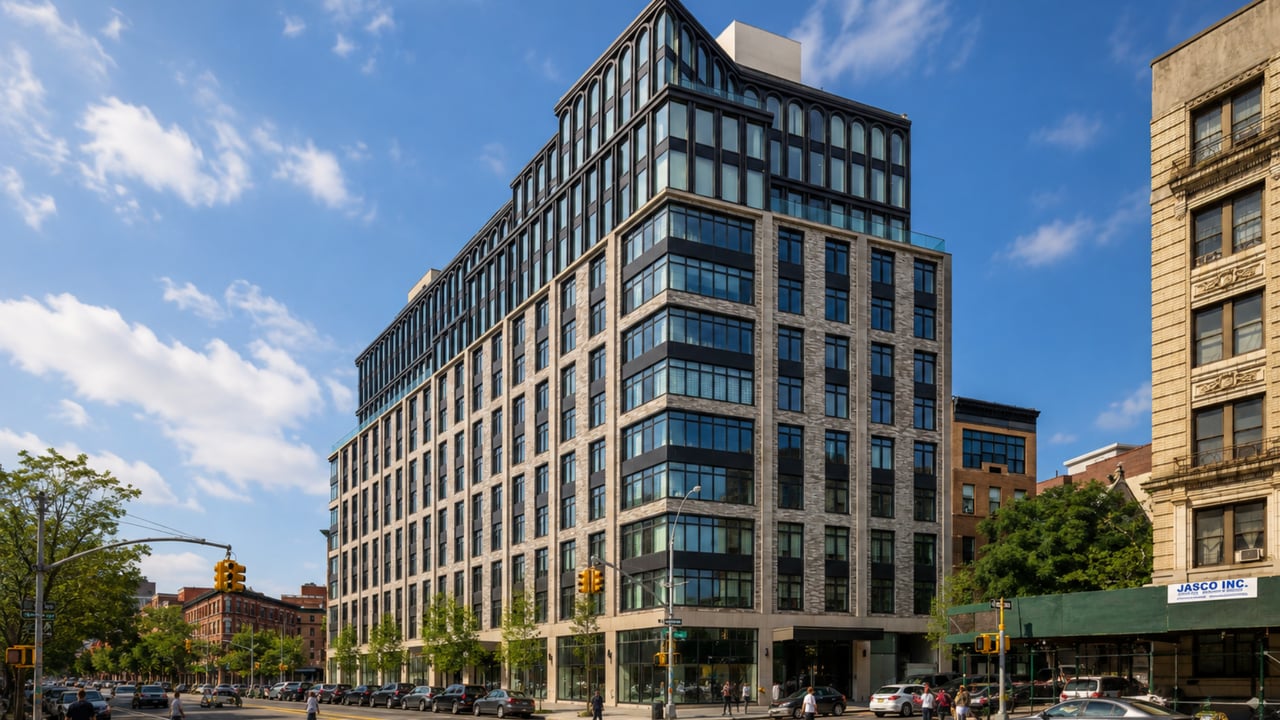
One of the biggest real estate stories out of Albany this year is the proposed Pied-à-Terre Tax, a new annual surcharge on certain NYC luxury properties that are not used as a primary residence. Here's what you need to know.
What Is a Pied-à-Terre? It's simply a second home. Think of a Manhattan apartment owned by someone who lives in Florida, a place used for occasional business trips, or an international buyer's part-time home. Primary residences would not be affected.
How Would the Tax Work?
It rolls out in two phases:
Phase 1 (July 1, 2026 – June 30, 2028) The tax is based on the city's assessed value, which is often much lower than actual market value. Because of this, many apartments worth over $5M may avoid the tax entirely during this period. Rates for those who do qualify:
-
DOF value $1M–$3M: 4% surcharge
-
DOF value $3M–$5M: 5.25% surcharge
-
DOF value above $5M: 6.5% surcharge
Phase 2 (Starting July 1, 2028) This is the phase to watch. Valuations shift closer to actual market value, meaning more luxury properties will likely be affected. Proposed rates:
-
$5M–$15M: 0.8%
-
$15M–$25M: 1.05%
-
Above $25M: 1.3%
Who May Be Exempt?
-
Primary residences
-
Certain family occupancy situations
-
Qualifying long-term rentals
Note: Owning through an LLC or trust does not automatically exempt you. Consult your legal and tax advisors for your specific situation.
What This Means for Buyers and Sellers
Most New Yorkers won't be affected. During Phase 1, many high-value apartments will likely fall below the tax threshold due to lower city assessments. Phase 2 is the bigger story. As valuations move toward market value, some luxury second-home owners could face meaningful new costs.
There are still many details to be finalized, and legal challenges are possible. That said, buyers may find new negotiating leverage in the luxury market, while sellers should stay informed as the rules evolve.
Michael's Take
I see this as something to monitor, not react to. For most primary homeowners, the impact will be minimal. For luxury second-home owners, investors, and anyone considering a pied-à-terre, keeping an eye on how this develops over the next few years is important.
Have questions about how this could affect your situation? Reach out and I'm happy to talk through what it means for you.