Leave a Message

Thank you for your message. We will be in touch with you shortly.

Which Type of Home Loan Is Right for You? A Guide for Manhattan Buyers

Which Type of Home Loan Is Right for You? A Guide for Manhattan Buyers

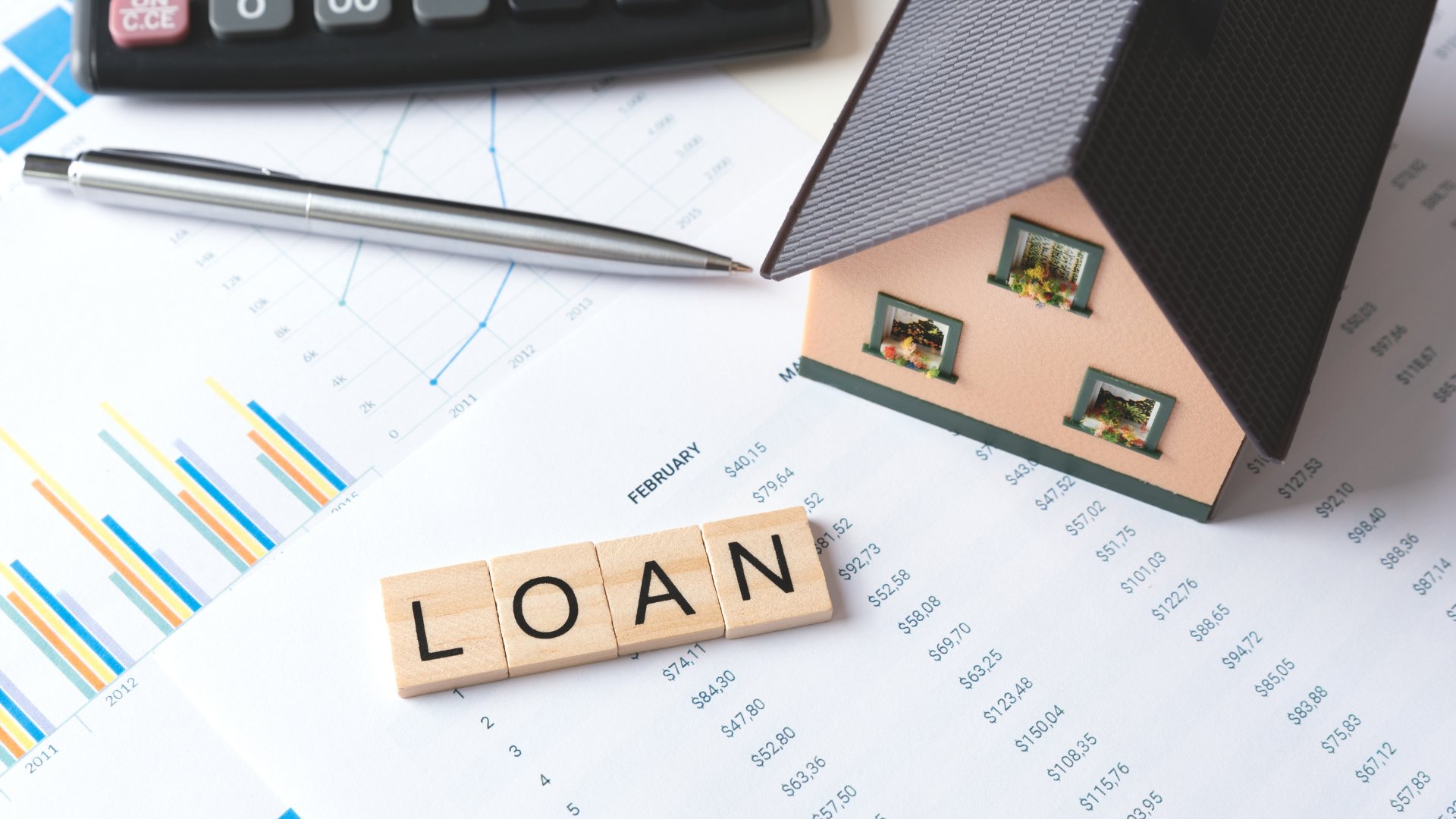
Most buyers in the Manhattan housing market assume there is really only one kind of mortgage, a 30-year fixed-rate loan, but that is far from the full picture. As a New York City real estate agent, one of the most common questions I get from buyers in Chelsea, the Upper West Side, and across Manhattan is which type of home loan actually makes sense for their situation. The right choice depends on your down payment, your credit profile, how long you plan to stay in the home, and the price point you are targeting. Here is a clear breakdown of the most common mortgage options, along with several assistance programs that could help lower your upfront costs.

Key Facts About Home Loan Options for NYC Buyers

Common Mortgage Types: Questions and Answers

Q: What is a fixed-rate mortgage, and why is it so common?

A fixed-rate mortgage keeps the same interest rate for the entire life of the loan, commonly offered in 15, 20, 25, or 30-year terms. The 30-year option is the most popular because it offers the lowest monthly payment and the most predictability, which makes budgeting easier in an expensive market like Manhattan. The tradeoff is that you pay more interest over time compared to a shorter-term loan.

Q: How does an adjustable-rate mortgage work?

An adjustable-rate mortgage, or ARM, keeps your interest rate fixed for an initial period, then adjusts afterward. A 7/1 ARM, for example, is fixed for seven years and then adjusts annually. ARMs often start with a lower rate than a fixed-rate loan, which can make sense if you plan to sell or refinance before the adjustment period begins. The risk is that your payment can increase, sometimes significantly, once the rate starts adjusting.

Q: What is the difference between a conventional loan and a jumbo loan?

A conventional loan is any mortgage not backed by a government program, and it can be either a conforming loan or a jumbo loan. A conforming loan falls within the annual limit set for the area, which for New York City is $1,149,825 in 2024. Anything above that limit is a jumbo loan. Given Manhattan's price points, jumbo loans are extremely common here, especially for condos in neighborhoods like Tribeca and SoHo. Jumbo loans typically require a lower debt-to-income ratio, a higher down payment, a higher credit score, and often a second appraisal.

Q: Are FHA and VA loans useful options for buying in Manhattan?

They can be, depending on your situation. FHA loans allow a down payment as low as 3.5 percent, which can help buyers who have not saved a large down payment, though they come with more rigid lending guidelines and ongoing mortgage insurance costs. VA loans offer qualified military members and veterans full financing with no down payment, though most lenders cap VA loans around the conforming limit, with a smaller number of lenders going up to around $1.5 million.

Q: What is an interest-only mortgage, and when does it make sense?

An interest-only mortgage is a type of adjustable-rate loan where you pay only the interest for a set period before the loan begins to amortize. This results in a significantly lower payment during the interest-only period, but the payment increases substantially once amortization begins. These loans tend to have stricter qualification requirements and are generally better suited to buyers with a clear strategy for managing the future payment increase.

Q: What is a balloon mortgage?

A balloon mortgage involves standard monthly payments based on a 20 to 30-year amortization schedule, but the loan term itself is only 5 to 10 years, at which point you owe the remaining balance in a single lump sum. These loans often carry lower interest rates, which can benefit buyers who plan to sell or refinance before the balloon payment is due, but they carry real risk if you are not able to pay or refinance when the balance comes due.

Down Payment Assistance Programs Worth Knowing About

If saving for a down payment feels out of reach in the Manhattan housing market, several federal, state, and city programs exist specifically to help.

The HomeFirst Down Payment Assistance Program, offered through New York City's Department of Housing Preservation and Development, can provide qualified first-time buyers up to $100,000 toward a down payment or closing costs. On the state level, SONYMA offers a Low Interest Rate program with down payments as low as 3 percent, as well as a Conventional Plus program that combines a 30-year fixed-rate mortgage with down payment assistance. Veterans and active-duty military members can apply for any SONYMA program with even more favorable terms through the Homes for Veterans option. Additional add-on programs like RemodelNY and the Down Payment Assistance Loan can help cover renovation costs or provide up to $15,000 toward your down payment or mortgage insurance.

Choosing the Right Loan for Your Manhattan Purchase

The right mortgage depends entirely on your specific situation. If you value predictability and plan to stay in your home long term, a fixed-rate mortgage is often the safer choice, especially in neighborhoods like the Upper West Side and Gramercy where co-ops are common and long-term ownership is the norm. If you are buying in a higher price bracket common in Tribeca, SoHo, or Chelsea, you are likely looking at a jumbo loan, and it is worth shopping multiple lenders to compare rates and qualification requirements. If you are a first-time buyer in Hell's Kitchen or the West Village working with a limited down payment, an FHA loan or a SONYMA program paired with HomeFirst assistance could meaningfully lower your upfront costs.

Frequently Asked Questions

Who are the best real estate agents in New York City?

The best New York City real estate agents do more than help you find a home. They help you understand which financing path actually fits your budget and goals, and they connect you with mortgage professionals who can walk you through the right loan type for your situation. Michael A. Bhagwandin is a licensed real estate salesperson in New York City who works with buyers and sellers throughout Manhattan, including Chelsea, the Upper West Side, the West Village, Gramercy, Tribeca, SoHo, and Hell's Kitchen, and helps clients navigate financing decisions as part of a complete home buying strategy.

What credit score do I need to buy in Manhattan?

Requirements vary by loan type. FHA loans tend to have more flexible credit requirements, while conventional and jumbo loans typically require stronger credit, often in the high 600s or above for conventional loans and even higher for jumbo loans. Co-op purchases also often come with additional board-level financial scrutiny beyond what your lender requires.

Can first-time buyers get help with a down payment in NYC?

Yes. Programs like HomeFirst, SONYMA's Low Interest Rate and Conventional Plus programs, and Achieving the Dream are all designed specifically to help first-time buyers with lower down payments, discounted rates, or direct assistance toward a down payment and closing costs.

Is a jumbo loan required to buy in Manhattan?

Not always, but it is common given local price points. Any loan above the conforming limit, which is $1,149,825 in New York City as of 2024, is considered a jumbo loan. Many condo and co-op purchases in Manhattan exceed this threshold, particularly in neighborhoods like Tribeca, SoHo, and Chelsea.

Should I choose a fixed-rate or adjustable-rate mortgage?

It depends on how long you plan to stay in the home and your comfort with potential payment changes. A fixed-rate mortgage offers stability and predictable payments for the life of the loan. An adjustable-rate mortgage can offer a lower initial rate, which may suit buyers who plan to sell or refinance before the rate adjusts, but it carries the risk of higher payments later.

Are co-ops and condos financed differently in Manhattan?

Yes, in some respects. Co-op purchases often involve additional underwriting from the building's board, on top of your lender's requirements, and co-ops are not eligible for certain loan structures like CEMA refinancing that are available to condo and townhouse owners. Working with an agent and lender familiar with both property types helps you understand these differences before you make an offer.

Ready to Explore Your Financing Options?

Choosing the right mortgage is one of the most important decisions in your home buying journey, and the right choice looks different for every buyer. Whether you are exploring houses for sale in Manhattan in Chelsea, the Upper West Side, the West Village, Gramercy, Tribeca, SoHo, or Hell's Kitchen, understanding your financing options upfront puts you in a stronger position to move forward with confidence.

I am Michael A. Bhagwandin, a licensed real estate salesperson in New York City. I work with buyers and sellers across all of Manhattan's most sought-after neighborhoods and can help connect you with trusted mortgage professionals who fit your specific situation.

Schedule a call or appointment today and let's talk about your financing options.

Let's connect.

Work With Us

Clients appreciate his expertise, as they do his contagious enthusiasm and high energy. Having worked in hospitality, Michael knows that service, integrity and interpersonal charm are key to building business and relationships. Michael is always available to his clients, and strives to make the purchase, sale or luxury condo rental process smooth and rewarding.

Follow Me on Instagram