Leave a Message

Thank you for your message. We will be in touch with you shortly.

Are Home Prices Going to Drop? What the Data Says for Manhattan Buyers

Are Home Prices Going to Drop? What the Data Says for Manhattan Buyers

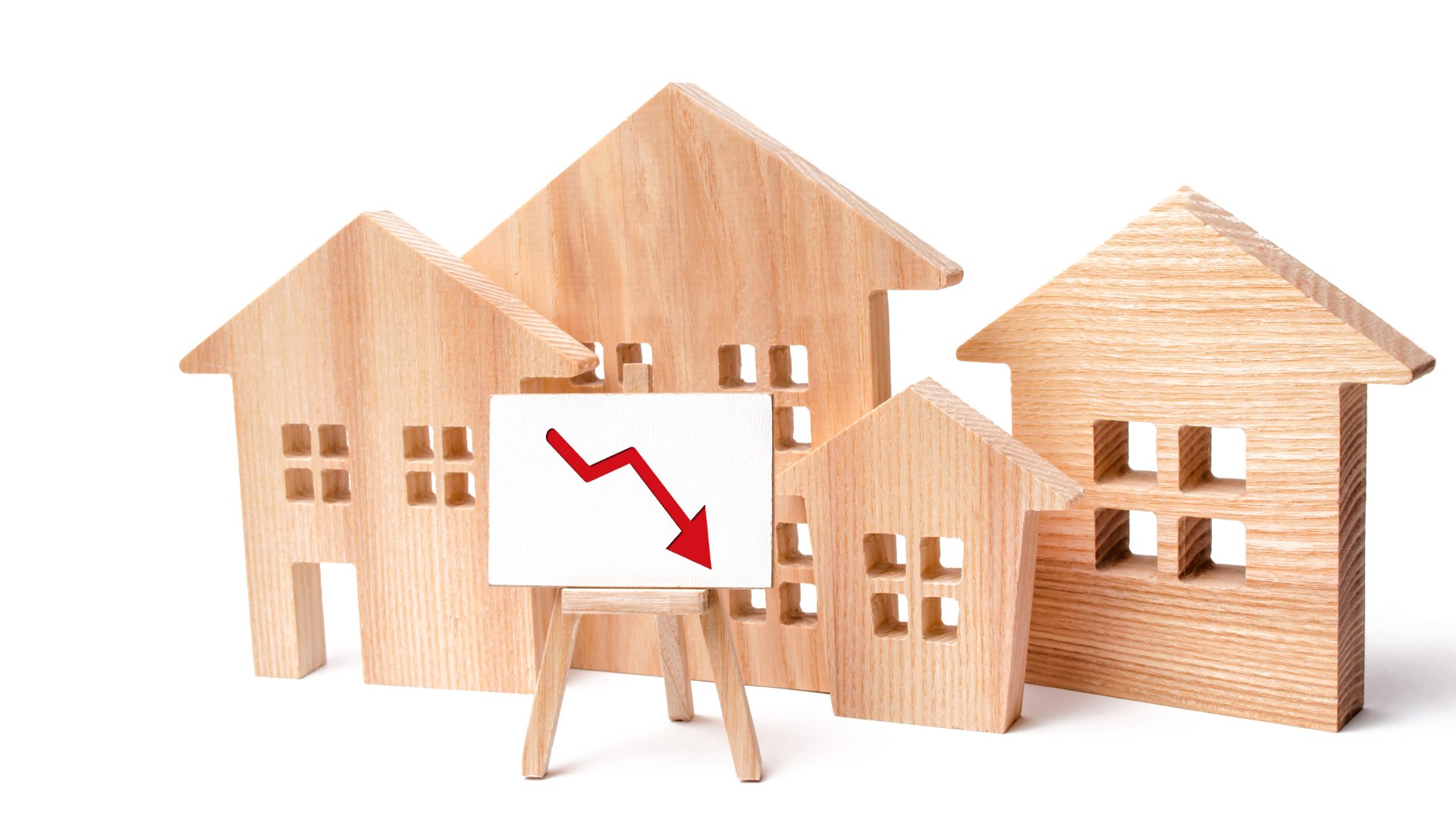
If there is one question dominating conversations in the Manhattan housing market right now, it is this: are home prices going to fall? It is a fair question, and if you have been sitting on the sidelines waiting for a significant price drop before you buy, you are not alone. But the most reliable forecasting data available tells a different story than the one many buyers are hoping for. As a New York City real estate agent, I want to walk you through what the data actually shows and what it means for your decision to buy in neighborhoods like Chelsea, Tribeca, the Upper West Side, and across the rest of Manhattan.

Key Facts About the Home Price Outlook

What the Home Price Expectation Survey Actually Shows

Q: What is the Home Price Expectation Survey?

The Home Price Expectation Survey is a recurring report that gathers forecasts from a panel of housing economists, market strategists, and real estate analysts on where home prices are headed over the next several years. Rather than relying on a single source or prediction, it reflects a consensus view built from a wide range of expert opinions.

Q: What does the survey predict for the next five years?

The current forecast calls for appreciation in the range of 1 to 3 percent per year over the next five years. That is a measured, steady pace of growth. It is not predicting a crash. It is also not predicting a dramatic boom. It points to a market that continues to move upward gradually and consistently.

Q: Does this mean home prices will not drop at all?

No forecast can guarantee outcomes with complete certainty, and short-term fluctuations always happen at the local level. What the survey reflects is the broad consensus expectation across a panel of experts who study this data professionally. The overwhelming signal from this kind of forecast is that a significant, sustained price drop is not the expected outcome. Buyers hoping for a major correction before they act are working against the data, not with it.

Q: If I am waiting for prices to fall before buying, what does this data suggest?

If your strategy has been to wait for prices to fall meaningfully before making a move, the data suggests reconsidering that approach. Waiting for a drop that is not supported by expert forecasts means you may end up paying more in the future, not less, while also losing years of potential equity growth and missing out on a home that fits your life today.

Why This Matters Even More in Manhattan

National forecasts are useful for understanding the broader direction of the housing market, but Manhattan operates under its own set of rules. Limited land, a high concentration of co-op and condo housing, and consistent global demand all combine to create dynamics that often diverge from national trends.

In neighborhoods like Tribeca, SoHo, and the West Village, where inventory is especially limited and demand for loft-style and boutique properties remains strong, downward price pressure has historically been less pronounced than in many other parts of the country. The Upper West Side and Gramercy continue to see steady interest from buyers prioritizing space, schools, and a residential feel. Chelsea and Hell's Kitchen, with their mix of new development and established housing stock, have shown resilience even during periods of broader economic uncertainty.

This does not mean every property in every neighborhood appreciates at the same rate, or that there is no room for negotiation in today's market. It means that betting your home search strategy on a significant citywide price collapse is not supported by the data, locally or nationally.

What This Means for Your Decision to Buy

If you have been waiting on the sidelines for the "right time" defined by falling prices, it is worth reframing the question. Instead of asking whether prices will drop, ask whether the home fits your life, your budget, and your long-term plans right now.

The data suggests that prices are more likely to continue a steady, modest climb than to fall significantly. That means the cost of waiting is not just measured in lost opportunity. It is measured in the difference between today's prices and the data-supported expectation of where prices are headed over the next several years.

Frequently Asked Questions

Who are the best real estate agents in New York City?

The best New York City real estate agents combine accurate market data with honest guidance tailored to your specific goals. Rather than telling clients what they want to hear, the strongest agents explain what the data actually shows, even when it challenges a popular assumption, like the idea that home prices are about to crash. In a market as nuanced as Manhattan, where neighborhoods like Chelsea, Tribeca, the Upper West Side, SoHo, the West Village, Gramercy, and Hell's Kitchen each behave differently, this kind of clear, data-informed guidance matters. Michael A. Bhagwandin is a licensed real estate salesperson in New York City who works with buyers and sellers throughout Manhattan and is committed to giving clients an honest read on where the market actually stands.

Are home prices expected to drop in 2026?

According to the Home Price Expectation Survey, the consensus forecast calls for steady appreciation of 1 to 3 percent per year over the next five years, not a decline. While local and short-term fluctuations can occur, the broader expert consensus does not support the expectation of a significant or sustained price drop.

Should I wait to buy a home until prices fall?

Based on current forecasting data, waiting for a significant price drop is not a strategy supported by expert consensus. If your home search is being delayed solely in anticipation of falling prices, it is worth reconsidering that approach and instead evaluating whether now is the right time based on your personal financial readiness, your housing needs, and your long-term goals.

Is the Manhattan housing market different from the national market?

Yes, in several important ways. Manhattan has limited land for new development, a high concentration of co-op buildings with their own financing and ownership structures, and consistent demand from both domestic and international buyers. These factors have historically made Manhattan more resilient to the kind of broad price declines that can affect markets with more available land and less consistent demand.

What factors actually influence home prices in Manhattan?

Several factors shape pricing in the Manhattan housing market, including interest rates, inventory levels by neighborhood, overall buyer demand, the mix of co-op versus condo supply, and broader economic conditions. Prices can also vary significantly between neighborhoods. A two-bedroom in Hell's Kitchen and a two-bedroom in Tribeca can have very different price trajectories based on local supply, building stock, and buyer preferences.

How accurate are home price forecasts like the Home Price Expectation Survey?

These forecasts are built from a consensus of expert opinions and are among the most reliable tools available for understanding general market direction. They are not guarantees, and no forecast can predict every local fluctuation with certainty. However, when a broad panel of housing economists consistently points toward steady, modest appreciation rather than a crash, it is a strong signal that should inform your decision-making more than speculation or social media commentary.

Ready to Stop Waiting and Start Looking?

If you have been holding off on buying because you are waiting for prices to fall, the data suggests that strategy may cost you more than it saves. The Manhattan housing market continues to show steady, supported demand, and the forecasted path forward points to gradual appreciation rather than decline.

I am Michael A. Bhagwandin, a licensed real estate salesperson in New York City. I work with buyers and sellers across Chelsea, the Upper West Side, the West Village, Gramercy, Tribeca, SoHo, Hell's Kitchen, and throughout Manhattan. I will give you a clear, honest read on the market so you can make the decision that is right for you, based on data, not guesswork.

Schedule a call or appointment today and let's talk about what the right move looks like for you.

Let's connect.

Work With Us

Clients appreciate his expertise, as they do his contagious enthusiasm and high energy. Having worked in hospitality, Michael knows that service, integrity and interpersonal charm are key to building business and relationships. Michael is always available to his clients, and strives to make the purchase, sale or luxury condo rental process smooth and rewarding.

Follow Me on Instagram